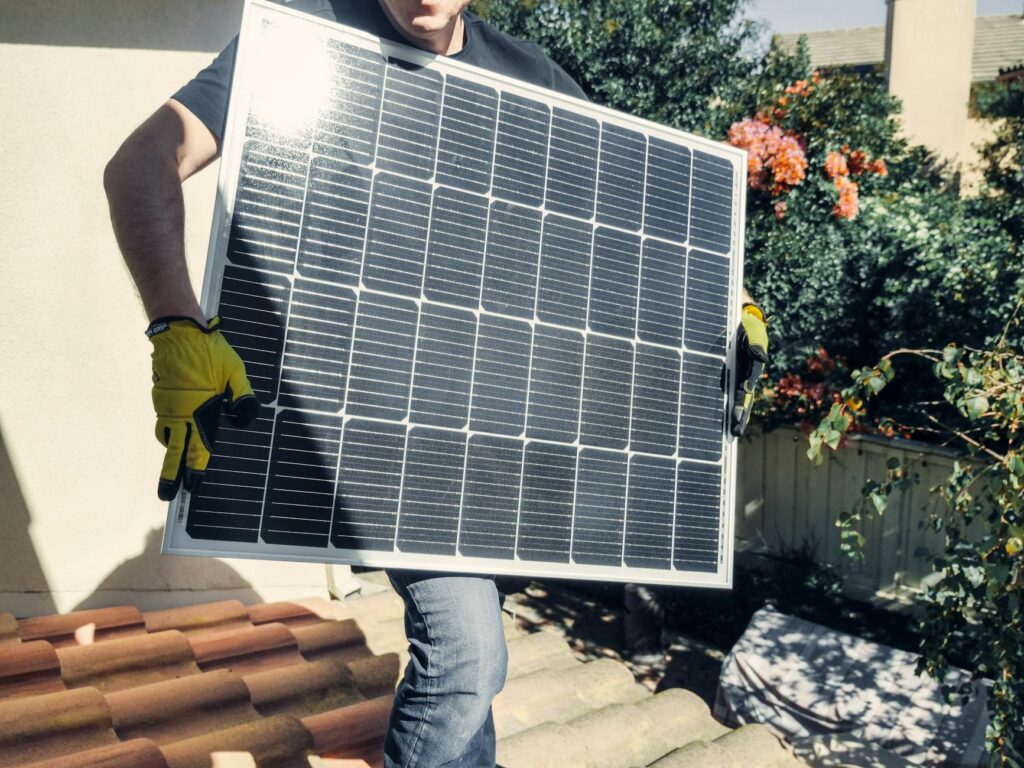
Solar for Existing Homes vs New Construction: Key Differences
Adding solar to an existing home involves retrofitting your roof and electrical system, typically costing $15,000-$25,000 after incentives, while new construction can integrate solar during the building phase for $12,000-$20,000 due to simplified installation and design coordination. The choice between retrofitting and new-build solar depends on your timeline, budget, roof condition, and available space—each path offers distinct advantages that can significantly impact your energy savings and home value.
Adding solar panels to an established home requires careful assessment of your roof’s structural integrity, age, and orientation. According to the National Renewable Energy Laboratory (NREL), approximately 65% of U.S. residential roofs have suitable sun exposure for solar installation, but homeowners must address several practical concerns first.
Roof condition is the primary consideration. If your roof is older than 15 years, installers typically recommend replacement before solar installation to avoid removing panels later. Modern asphalt shingles last 20-25 years, so timing matters. The average roof replacement costs $8,000-$15,000, which can extend your total solar project timeline by 2-3 months.
Electrical infrastructure presents another complexity. Existing homes often have outdated electrical panels rated at 100-200 amps, while solar systems may require panel upgrades to safely handle the additional power generation. This upgrade typically costs $1,500-$3,000 and must be completed before installation. Your solar installer will conduct a free electrical assessment to identify necessary upgrades.
Space constraints affect system size on existing homes. Limited roof area may prevent installing your ideal system capacity. However, many homeowners combine rooftop panels with ground-mounted systems in their yards when roof space is insufficient. Ground-mounted systems cost 10-15% more but offer better airflow and cooling efficiency.
Solar Installation on New Construction: The Building Integration Advantage
New construction offers the ideal scenario for solar integration because panels can be planned into the home’s design from the foundation stage. According to the U.S. Green Building Council, homes with solar integrated during construction see 18% faster installation timelines compared to retrofits.
Builder coordination eliminates major obstacles present in retrofit projects. New homes can feature solar-ready electrical systems and structurally engineered roofs specifically designed for panel weight distribution. This integration reduces labor costs by approximately 20-30% since electricians and roofers can plan their work sequences around the solar installation rather than adapting existing systems.
Design flexibility represents a significant advantage. New construction allows solar to be incorporated as part of the home’s aesthetic plan, with panels positioned for optimal performance without compromising architectural intent. Many builders now offer solar as a standard or upgrade option, with financing integrated into mortgage terms—allowing homeowners to spread costs across 30-year loans rather than requiring separate financing.
New construction homes also benefit from modern electrical standards. Building codes require modern 200-amp panels with sufficient capacity for solar systems, eliminating expensive upgrades. The structural engineering already accounts for panel weight and wind loads, reducing installation complexity.
Cost Comparison: Retrofit vs. New Construction Solar
According to Solar Energy Industries Association (SEIA) data from 2024, the average installed cost per watt is $2.50-$3.50 for existing homes versus $2.00-$2.80 for new construction. For a typical 8-kilowatt system:
- Existing home retrofit: $20,000-$28,000 before incentives; $14,000-$19,600 after 30% federal tax credit
- New construction solar: $16,000-$22,400 before incentives; $11,200-$15,680 after tax credits
The price difference stems from labor efficiency, simplified electrical work, and the ability to negotiate solar installation as part of the overall construction contract. Additionally, new construction financing through mortgage programs often offers lower interest rates than solar-specific loans, reducing the actual cost of capital.
However, existing home retrofits offer faster ROI in some cases. Since retrofit systems are typically installed on homes with established utility bills, homeowners often see immediate energy savings. New construction homes may have lower electricity consumption initially, delaying the relative payback period by 1-2 years despite lower upfront costs.
How to Use Our Solar Savings Calculator
Understanding your specific financial scenario requires personalized calculations based on your location, roof characteristics, and utility rates. Our solar savings calculator analyzes these variables to project your actual costs, incentives, and energy savings whether you’re retrofitting an existing home or building new.
Enter your address, annual electricity bill, and roof type to receive a customized estimate showing your break-even timeline, 25-year savings potential, and available tax credits specific to your state. This data-driven approach removes guesswork from your solar decision.
Frequently Asked Questions
How long does solar installation take on an existing home versus new construction?
Existing home retrofits typically require 3-6 months from initial consultation to grid connection, including permit processing and any necessary roof or electrical upgrades. New construction solar installation takes 2-4 weeks during the building phase since permitting occurs as part of the home’s overall construction approvals. The difference reflects the streamlined approval process for integrated systems versus retrofitted installations.
Will solar panels damage my existing roof?
Professional solar installation does not damage healthy roofs. Installers drill minimal holes with proper waterproofing, and panels actually protect underlying shingles from UV exposure and weather. However, if your roof is near end-of-life, replacement before solar installation is recommended to avoid future panel removal costs. New construction roofs are unaffected since solar integration is planned during framing.
What financing options are better for existing home solar versus new construction solar?
Existing home retrofits typically use solar loans, HELOCs (home equity lines of credit), or cash purchases, with loan terms of 5-15 years and interest rates of 4-9%. New construction solar can be financed through mortgage products, spreading costs over 30 years at mortgage rates (currently 6-7%), making monthly payments more affordable. Some builders offer solar as a zero-interest upgrade when financed through construction loans, providing the lowest-cost option.
Both pathways to solar energy make financial sense, but your specific circumstances—roof age, construction timeline, and available capital—determine which approach maximizes your savings potential. Use our calculator to compare scenarios specific to your situation.
Related: solar installation on existing homes
Related: thin-film vs silicon panels
Related: commercial vs residential solar
Related: solar panel costs by state
Related: state solar incentives and rebates
Related: solar for existing vs new homes
Related: time-of-use rate structures
Related: state pricing guide
Related: solar panel lifespan and durability
Related: choose a solar installer
Related: microinverters vs string inverters
Related: calculate your system price
Related: net metering earnings potential
Related: solar for existing vs new homes
Related: shade effects on solar output
Related: solar cost estimator
Related: complete 2024 pricing guide
Related: solar power for renters
Related: spot solar scams and avoid
Related: PACE financing for solar
Related: best solar batteries for home
Related: solar panel installation cost 2026
Related: monitor solar system performance
Related: solar installation cost breakdown
Related: solar panel installation timeline
Related: how solar panels work
Related: solar for small businesses
Related: Utah energy efficiency rebate law
Related: Massachusetts solar incentives 2026
Related: New Hampshire renewable portfolio standards
Related: solar payback period explained
Related: solar panel costs 2026
- Solar Panel Installation Tools & Equipment Kit — Homeowners retrofitting existing homes need specialized tools for safe roof and electrical work during solar installation
- Roof Inspection Camera with Monitor — Essential for assessing existing roof condition before solar installation to identify structural issues and compatibility
- Solar Monitoring System & Smart Meter — Allows homeowners to track solar system performance post-installation and optimize energy usage in existing homes