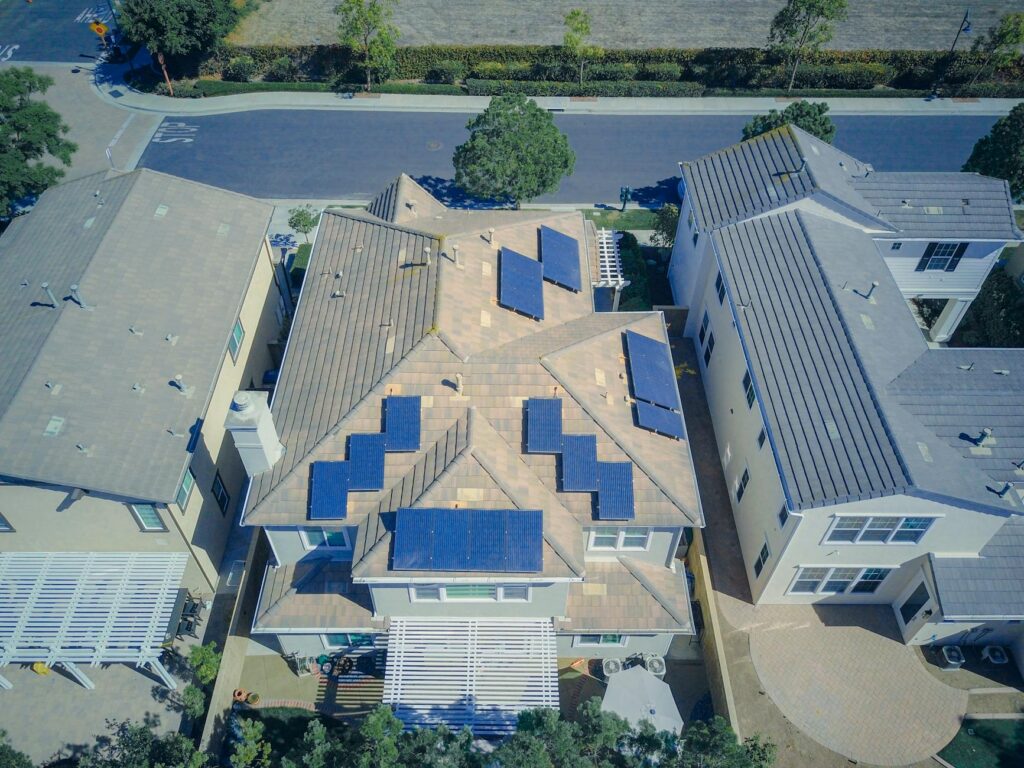
Home Solar Cost: A Complete 2024 Guide to Pricing, Savings & ROI
Installing solar panels is one of the most significant home energy investments you can make. But before you decide whether solar is right for your home, you need to understand the real costs involved. Home solar cost varies dramatically based on system size, your location, equipment quality, and available incentives. This guide breaks down exactly what you’ll pay, what factors influence pricing, and how much money you can actually save over time.
What Is the Average Home Solar Cost in 2024?
The average cost to install a residential solar panel system in 2024 ranges from $15,000 to $25,000 before incentives, depending on your system size and location. Most homeowners install systems between 5 and 10 kilowatts (kW), which is large enough to offset 80–100% of their annual electricity consumption.
To put this in perspective, the per-watt cost of solar has dropped significantly over the past decade. In 2010, solar cost roughly $7 per watt installed. Today, that figure sits between $2.50 and $3.50 per watt after the federal Investment Tax Credit (ITC) is applied. A typical 6 kW system costs approximately $15,000–$18,000 before tax credits, or around $10,500–$12,600 after the 30% federal tax credit.
However, home solar cost is not a one-size-fits-all number. Regional electricity rates, local labor costs, permitting fees, roof condition, and shading all affect your final price. Homeowners in California, New York, and Massachusetts typically pay more upfront but also benefit from higher utility rates and state-level incentives that reduce their payback period.
Key Factors That Influence Home Solar Cost
System Size and Your Energy Needs: Your system size is the primary cost driver. A 4 kW system for a small household costs less than an 8 kW system for a large family. System size is measured in kilowatts (kW) and directly correlates to your current electricity usage. Most homes fall into the 5–8 kW range.
Equipment Quality and Brand: Solar panel efficiency and inverter quality vary. Premium panels from Sunpower or LG cost more upfront but deliver higher efficiency and longer warranties. Budget-friendly panels from Trina or JinkoSolar are cheaper but may have slightly lower performance. Microinverters (which optimize each panel individually) cost $500–$2,000 more than traditional string inverters but improve reliability in partially shaded conditions.
Installation Complexity: A straightforward roof installation on a simple single-slope roof costs less than a complex installation on a metal roof or multiple roof planes. If your roof needs reinforcement or replacement, you’ll add $2,000–$5,000 to your total. Homes with existing shade from trees also require smaller systems, which paradoxically increases the per-watt cost because fixed installation expenses are spread across fewer watts.
Geographic Location: Your state and utility company dramatically affect pricing. Labor costs, permitting fees, and interconnection requirements vary. Hawaii and California have higher labor costs but better solar incentives. Parts of the South and Midwest have lower installation labor costs but fewer incentive programs.
Financing Method: How you pay affects your true cost. A cash purchase means you own the system outright and capture all tax credits. A solar loan lets you finance the system at 3–8% interest over 10–20 years, so you pay interest on top of equipment costs. Leasing or a Power Purchase Agreement (PPA) means you pay a monthly fee to a third party, eliminating upfront costs but capping your long-term savings.
Breaking Down the Home Solar Cost Components
Understanding what makes up your solar quote helps you compare offers and identify cost-reduction opportunities.
Solar Panels (35–40% of total cost): Modern residential panels cost $250–$400 per panel, with most systems using 20–30 panels. A 6 kW system typically includes 18–20 panels rated 300–400W each.
Inverter (10–15% of total cost): String inverters run $1,500–$3,000. Microinverters add $150–$250 per panel, so a 20-panel system could cost $3,000–$5,000 with microinverters.
Balance of System (15–20% of total cost): This includes mounting hardware, wiring, disconnects, and monitoring equipment. Costs range from $2,000–$3,500.
Labor and Installation (25–30% of total cost): Professional installation typically runs $5,000–$8,000 depending on roof complexity and local wage standards.
Permits and Fees (5–10% of total cost): Building permits, electrical permits, and interconnection fees add $500–$2,000.
Federal Tax Credits and Incentives That Lower Home Solar Cost
The 30% federal Investment Tax Credit (ITC) is the single largest incentive available to homeowners. If your system costs $18,000, you’ll receive a $5,400 tax credit, reducing your net cost to $12,600. This credit applies to all system components, including installation labor. The ITC remains at 30% through 2032, then steps down to 26% in 2033 and 22% in 2034.
Many states offer additional incentives. New York’s energy storage rebate provides $500 per kWh for battery systems. California’s SOMAH rebate helps low-income households install solar. Massachusetts offers solar renewable energy credits (SRECs) that let you earn money by selling credits generated by your system.
Some utilities offer rebates directly, typically $200–$500. Net metering policies also reduce your effective cost by allowing you to earn credits for excess electricity you send back to the grid. A handful of states have eliminated net metering or reduced credit rates, which lowers the financial benefit of going solar.
Home Solar Cost vs. Long-Term Savings: Your Return on Investment
The true measure of home solar cost isn’t just the upfront price—it’s the savings you’ll realize over the system’s 25–30 year lifespan. Most homeowners recoup their investment in 6–12 years through reduced electricity bills.
A typical 6 kW system generates 8,000–10,000 kWh per year in a moderate sunny climate. If your electricity rate is $0.14 per kWh (the U.S. average), that system saves you $1,120–$1,400 annually. Over 25 years, your total savings exceed $28,000–$35,000. Even accounting for occasional maintenance ($150–$300 per year after year 10), your net savings remain substantial.
In high-cost electricity states like California ($0.19+ per kWh), the same system saves $1,520–$1,900 annually, resulting in 25-year savings of $38,000–$47,500. This is why home solar cost is most favorable in states with expensive electricity and strong incentive programs.
Your payback period depends on four variables: system cost, system size, local electricity rates, and available incentives. A $15,000 system with $5,400 in tax credits costs effectively $9,600, dramatically improving ROI.
Frequently Asked Questions
How much does a 10 kW solar system cost?
A 10 kW system typically costs $25,000–$35,000 before incentives, or $17,500–$24,500 after the 30% federal tax credit. This system size suits homes with high energy consumption or those planning to add an electric vehicle. Installation complexity and equipment quality significantly affect the final price.
Can I reduce my home solar cost through financing options?
Yes. Solar loans let you spread payments over 10–20 years while capturing the 30% federal tax credit immediately. Leases and PPAs eliminate upfront costs but limit your long-term savings since a third party owns the system. A solar loan typically offers the best financial outcome for homeowners who can afford monthly payments.
Does home solar cost depend on roof age or condition?
Absolutely. If your roof is 15+ years old, installers often recommend replacement before solar installation, adding $5,000–$15,000 to your project. A newer roof means you won’t need replacement during your system’s 25-year warranty period, making solar a better long-term investment.
What’s included in home solar cost quotes?
A complete quote includes equipment (panels, inverter, mounting hardware), labor, permits, interconnection fees, and monitoring system setup. Some companies bundle financing costs or warranty extensions. Always request itemized quotes from at least three installers to compare actual costs and identify the best value.
How does shading affect home solar cost?
Shading reduces the size of system you need to reach your energy goals, but it increases per-watt costs because fixed expenses are spread across fewer watts. Removing shade sources or installing microinverters adds cost but improves performance. Tree removal ($500–$2,000) may be worth the investment if shade significantly impacts production.
Use Our Free Solar Savings Calculator
Understanding your home solar cost is the first step, but calculating your specific financial outcome requires personalized data. Head to our free solar savings calculator at solarestimatorpro.com to instantly discover your potential dollar savings, payback timeline, and 25-year return on investment. Simply enter your address, current electricity bill, and roof type, and our calculator delivers custom estimates based on real local pricing, your utility rates, and all available federal and state incentives. You’ll see exact monthly savings, total system cost after incentives, and break-even dates—all in seconds. Stop
- Kill A Watt Electricity Usage Monitor — Helps homeowners measure current electricity consumption to calculate potential solar savings and ROI
- Solar Powered Battery Backup System (EcoFlow/Anker) — Complements solar panel information by showing energy storage options and complete solar solutions
- Home Energy Audit Thermal Camera — Identifies energy inefficiencies in homes, helping readers understand baseline costs before investing in solar