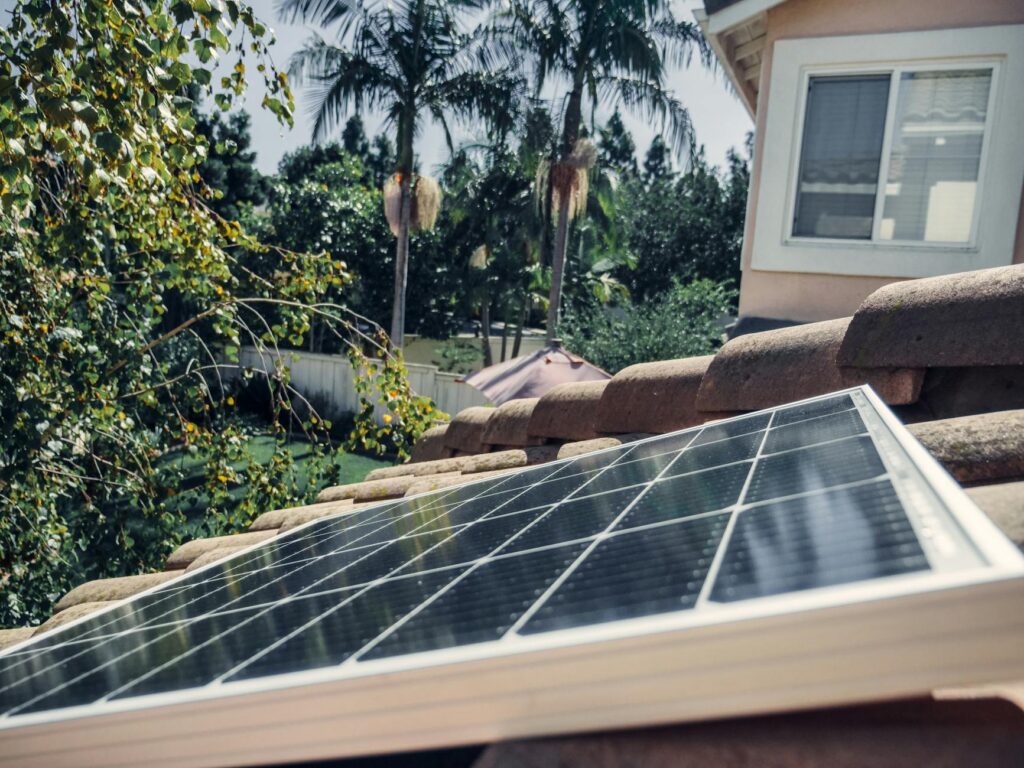
How Shade Affects Solar Panel Output and What to Do
Shade is one of the most significant factors reducing solar panel efficiency, sometimes cutting output by 50% or more. Understanding how shadows impact your system and taking proactive steps to minimize them is essential for maximizing your solar investment’s performance and long-term returns.
Understanding How Shade Reduces Solar Panel Performance
Solar panels generate electricity through photons from sunlight striking their surface. When shade covers even a small portion of a panel, the entire panel’s output decreases dramatically—not proportionally. This is because panels are wired in series, meaning they’re connected like a chain. When one panel is shaded, it becomes a bottleneck, restricting current flow through the entire string.
Modern panels with bypass diodes help mitigate this issue by allowing current to flow around shaded cells, but performance still suffers. A single panel that’s 25% shaded can reduce the entire string’s output by 50% or more. This principle is called the “weakest link” effect in solar systems.
Different types of shade have varying impacts. Partial shade from trees during certain hours creates intermittent losses, while permanent shade from buildings or chimneys causes consistent daily reductions. Even dust, debris, and snow accumulation act as micro-shading, gradually decreasing efficiency over time.
Identifying and Measuring Shade at Your Property
The first step in addressing shade problems is identifying exactly where and when shadows affect your potential solar array. Start with a visual assessment of your roof and surrounding area throughout the day. Trees, tall buildings, and roof structures all cast shadows that shift with the sun’s position, changing seasonally and hourly.
Many homeowners underestimate how tree growth affects their systems. A tree that doesn’t shade your roof today might create significant problems in five years as it grows taller. Consider not just current growth but projected future canopy expansion.
Professional solar installers use shading analysis tools like solar pathfinders or drone imagery to precisely map shadow patterns across every season. These tools show exactly which panels experience shade during different times of the year and by how much. Some companies use LIDAR technology and specialized software to create detailed 3D models of your roof and surrounding environment.
If shade is minimal (less than 10-15% during peak solar hours), your system can still be highly productive. But if shade covers more than 25-30% of available solar space, you’ll need a strategic approach to maintain good returns on your investment.
Solutions for Managing Shade Problems
When shade is identified, several solutions exist depending on severity and your specific situation.
Trimming Trees: This is often the most cost-effective solution. Removing lower branches or trimming back trees can significantly improve solar access without removing trees entirely. Professional arborists can strategically prune trees to balance your solar needs with maintaining property aesthetics and wildlife habitat.
Repositioning Your Array: If possible, installing panels on a different section of roof can avoid shade problems. West-facing roofs, dormers, or ground-mounted systems sometimes offer better shade-free locations. While ground mounts require more space, they provide maximum flexibility for shade avoidance.
Microinverters and Power Optimizers: These technologies solve shade problems at the panel level rather than the string level. Instead of wiring panels in series, microinverters convert DC electricity to AC at each individual panel, allowing shaded panels to operate independently without dragging down their neighbors’ output. This allows you to install solar even with partial shade, though it increases system cost.
Battery Storage Integration: If shade creates intermittent performance issues, coupling your system with battery storage allows you to store excess power during peak sunshine hours and use it when shade reduces panel output. This approach also increases energy independence and provides backup power during outages.
Accepting Reduced Output: Sometimes, strategic positioning with minor shade is still worthwhile. If you’re getting 85% of maximum output instead of 100%, your system still produces 85% of its rated energy. You should factor this into financial projections before installation, but the system may still offer excellent returns.
How to Use the Solar Estimator Calculator
To understand exactly how shade affects your specific system’s output and financial returns, use our Solar Output Calculator. This tool lets you input your roof characteristics, including shading patterns, local weather data, and panel specifications. The calculator provides detailed estimates of expected annual energy production and accounts for shade factors, helping you make informed decisions before installation.
Frequently Asked Questions
How Much Shade is Too Much for Solar Panels?
Generally, if shade covers more than 25-30% of your available solar space during peak sunlight hours (9 AM to 3 PM), your system will underperform significantly. However, shade during early morning or late afternoon has minimal impact since solar output is naturally lower at these times. Use shading analysis tools to measure shade specifically during peak production hours to determine if your site is viable.
Can I Remove Shade Without Damaging My Roof?
Yes, most shade solutions don’t damage your roof. Tree trimming happens away from your property. Microinverters and power optimizers are added during installation without roof modifications. Ground-mounted systems avoid rooftop installation entirely. Only if you’re removing a rooftop shade structure like a pergola would you need to address roof patching afterward.
Does Cloudy Weather Create the Same Problem as Shade?
Cloudy weather reduces solar output uniformly across all panels, decreasing production by 10-25% depending on cloud density. Localized shade from trees or buildings is worse because it affects panels unevenly, causing the “weakest link” effect. Therefore, a shaded array on a sunny day often produces less than an unshaded array on a cloudy day.