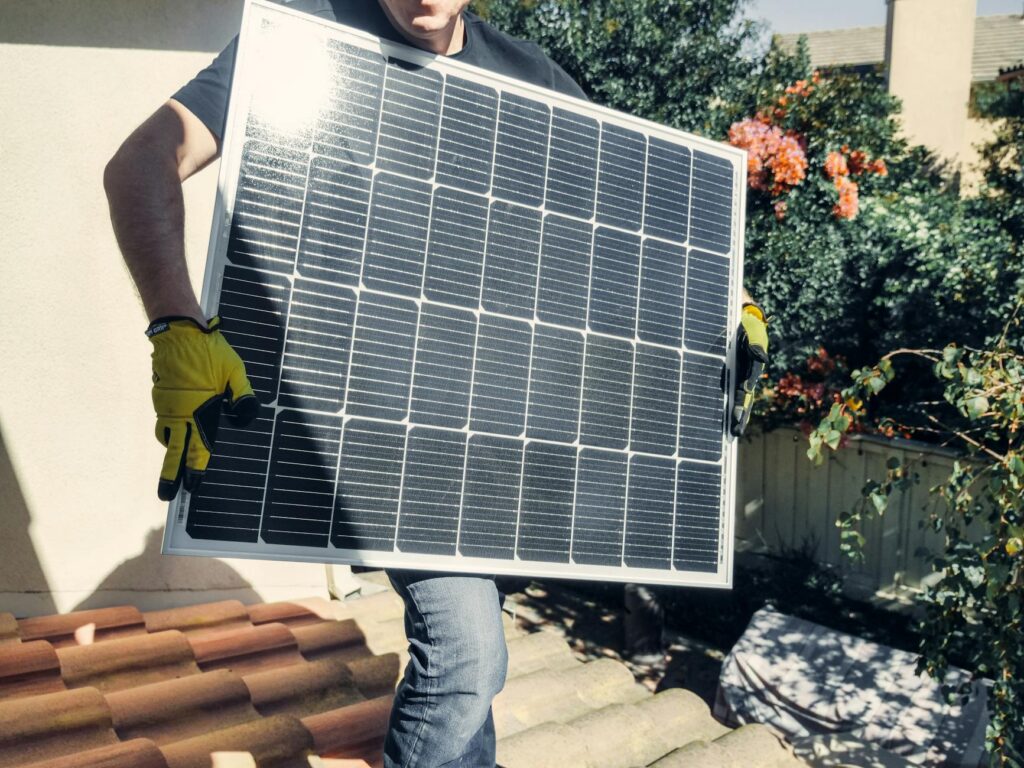
Most solar panels last 25-30 years, with many systems producing 80-90% of their original capacity even after three decades. The actual lifespan depends on installation quality, climate conditions, maintenance practices, and the specific panel manufacturer. Understanding what affects your solar panel longevity helps you make smarter investment decisions and plan for long-term energy savings.
Average Solar Panel Lifespan and Degradation
Solar panels are remarkably durable devices. The industry standard warranty covers 25 years, and most quality panels continue generating electricity well beyond this timeframe. However, they don’t suddenly stop working after 25 years—instead, they experience gradual degradation.
Annual degradation rates typically fall between 0.5% and 0.8% per year. This means a panel operating at 100% efficiency in year one will produce approximately 99.2% to 99.5% of that output in year two. After 25 years, you can expect 80-87.5% of the original output. After 30 years, most panels still produce 75-85% of their initial power.
Real-world data from installations over 40+ years shows that quality panels continue producing electricity at useful levels even in their fourth decade. Some panels installed in the 1980s still operate above 70% efficiency today. This extended lifespan makes solar panels one of the best long-term investments for homeowners and businesses.
Key Factors That Affect Solar Panel Lifespan
Several environmental and installation factors influence how long your solar panels will last and how well they’ll perform:
Climate and Weather Conditions
Temperature extremes accelerate panel degradation. Panels in extremely hot climates degrade slightly faster than those in moderate temperatures. However, cold weather doesn’t damage panels—in fact, panels actually operate more efficiently in cooler conditions. Humidity, salt air near coastal regions, and frequent freeze-thaw cycles can wear protective materials faster. High-altitude installations with intense UV exposure may see slightly faster degradation, but quality panels handle these conditions well.
Installation Quality
Professional installation dramatically extends panel lifespan. Proper mounting ensures adequate airflow underneath panels, keeping them cooler and reducing thermal stress. Correct electrical connections prevent fire hazards and equipment failure. Poor installation can lead to water infiltration, corroded connectors, and premature failure. Using certified installers and quality mounting hardware is crucial for maximizing your system’s longevity.
Panel Quality and Manufacturer
Not all solar panels are created equal. Premium manufacturers use superior materials, rigorous quality control, and more robust manufacturing processes. These panels typically degrade at lower rates and come with better warranties. Budget panels may cost less upfront but often degrade faster and offer limited warranty protection. Research manufacturer reputation, warranty terms, and independent testing results before purchasing.
Maintenance and Care
Regular maintenance extends solar panel lifespan significantly. Annual inspections catch potential issues early. Cleaning panels every 6-12 months removes dust, pollen, and debris that reduce efficiency. In areas with heavy rain, natural cleaning may be sufficient. Professional maintenance checks verify electrical connections, inspect for physical damage, and ensure inverters and mounting hardware remain secure. Most systems require minimal maintenance, but neglect accelerates degradation.
How to Calculate Your Solar Panel’s Expected Output Over Time
Determining how your solar panels will perform over their lifetime helps you understand your return on investment and long-term energy production. Our solar output calculator lets you input your system specifications, local climate data, and degradation assumptions to project generation over 25, 30, or 40 years.
To use the calculator effectively, gather this information: your panel wattage, number of panels, system orientation and tilt angle, your geographic location, and any known shading factors. The calculator accounts for seasonal variations, temperature effects, and historical weather patterns for your area. You can adjust degradation rates based on your panel type and climate to see how different scenarios affect long-term output and financial returns.
This projection helps you compare systems, estimate payback periods, and make confident decisions about your solar investment. Running multiple scenarios shows how system size, panel quality, and installation location impact your lifetime benefits.
Frequently Asked Questions
Q: Do solar panels need to be replaced after 25 years?
A: No. The 25-year warranty simply means manufacturers guarantee acceptable performance during that period. Most panels continue producing electricity well beyond 25 years. You might consider replacement if panels fall below 70% efficiency and newer technology offers significant improvements, but many systems never require replacement. Some installations from the 1970s still operate today.
Q: What’s the most common reason solar panels fail early?
A: Poor installation is the leading cause of premature failure. This includes inadequate mounting, improper electrical connections, and insufficient ventilation. Environmental damage from extreme weather, fallen trees, or accidents ranks second. Manufacturing defects are rare with quality brands. Regular maintenance prevents most issues and helps panels reach their full lifespan.
Q: Can I extend my solar panel’s lifespan through maintenance?
A: Absolutely. Regular cleaning prevents performance loss from debris accumulation. Annual professional inspections catch wiring issues, corrosion, and damage early. Monitoring system performance through your inverter alerts you to problems immediately. Proper vegetation management around installations prevents shading. These maintenance steps keep panels operating at peak efficiency and help them last 35+ years.