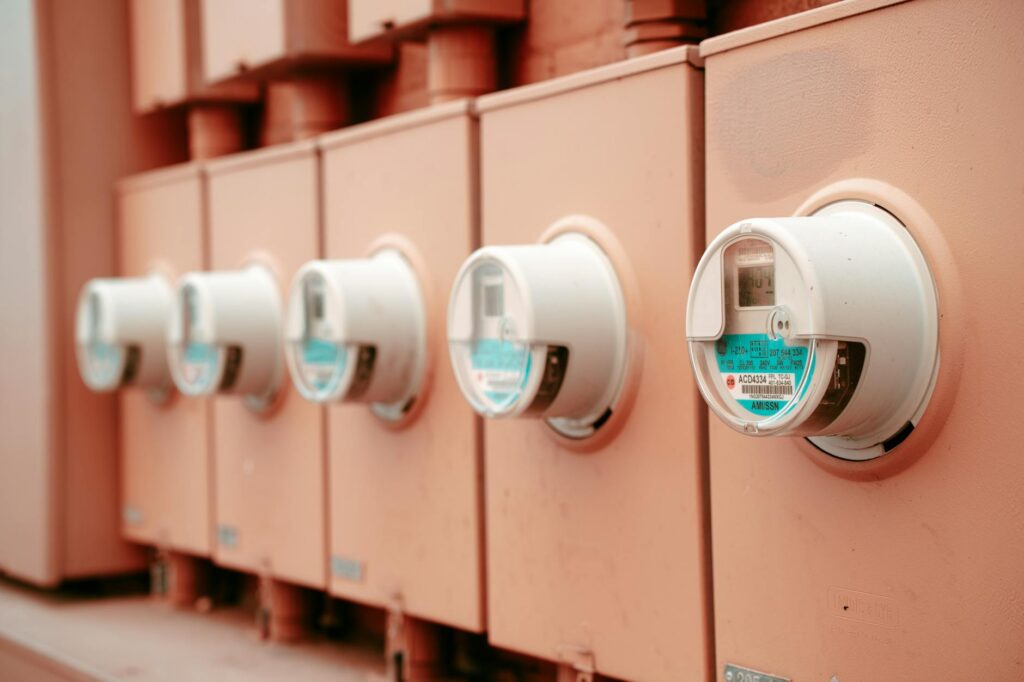
Net Metering Explained: How Much Can You Earn?
Net metering is a billing arrangement that credits solar homeowners for excess electricity they generate and send back to the grid. When your solar panels produce more power than you use, your utility meter runs backward, earning you credits on future electric bills. Understanding how net metering works is essential to maximizing your solar investment and calculating realistic financial returns.
What Is Net Metering and How Does It Work?
Net metering is a utility billing mechanism that measures the difference between the electricity your solar panels generate and the electricity you consume from the grid. Here’s how it operates in practical terms:
When your solar array produces electricity during daylight hours, that power first supplies your home’s energy needs. Any excess generation flows back to the grid through your meter, which records this outflow. Your utility company credits you for this exported electricity at a rate—typically the retail rate you’d normally pay for grid electricity.
During nighttime or cloudy periods when your panels aren’t generating enough power, you draw electricity from the grid as usual. However, the credits you earned from exporting excess power offset the cost of this grid consumption. This creates a “net” effect—you only pay for the net difference between what you consumed and what you generated over a billing period.
The beauty of net metering lies in its simplicity and fairness. You’re compensated at the same rate you pay for electricity, rather than receiving a wholesale rate. This makes solar investments significantly more attractive and shortens payback periods considerably. Most states offer some form of net metering, though the specifics vary regarding rate structures, rollover periods, and annual true-ups.
How Much Can You Actually Earn From Net Metering?
Your net metering earnings depend on several key factors that directly impact your financial returns:
System Size and Production: A larger solar array generates more electricity, producing more excess power to export. A typical 6kW residential system in a sunny location can generate 8,000-10,000 kWh annually, potentially earning $1,000-$1,500 in credits depending on electricity rates.
Local Electricity Rates: This is perhaps the most important variable. If your utility charges $0.15 per kWh, your credits are worth significantly less than if rates are $0.20 per kWh. High-cost states like California, Massachusetts, and Hawaii offer superior net metering economics compared to states with lower electricity costs.
Seasonal Generation Patterns: Solar production peaks during summer months, while consumption patterns vary by location and household. If you generate excess power during high-rate periods, your credits become more valuable. Conversely, if peak generation occurs during low-rate seasons, earnings decrease.
Your Consumption Habits: Homes with higher electricity consumption can utilize more of their solar generation without exporting excess power. If you’re home during peak generation hours and use air conditioning or electric heating, you’ll offset more of your own consumption, potentially leaving fewer excess kWh to earn credits on.
Net Metering Rate Structures: Some utilities offer time-of-use (TOU) net metering, where export credits vary by time of day. Exporting power during peak-demand hours earns premium rates, while off-peak exports earn less. Understanding your specific utility’s structure is crucial for calculating realistic earnings.
Realistic annual net metering earnings for a standard residential system range from $500 to $2,500 per year, with most homeowners earning between $1,000 and $1,500. Over a 25-year solar lifespan, this represents $12,500 to $62,500 in billing credits—a substantial portion of your total solar investment returns.
Protecting Your Net Metering Benefits
Net metering policies are evolving, and homeowners should be aware of potential changes that could affect earnings:
Policy Changes and NEM 3.0: Some states have modified their net metering structures. California’s NEM 3.0, implemented in 2023, reduced credit rates substantially, though solar installations are still financially viable. Homeowners should verify their state’s current net metering policy before installing solar, as locked-in rates may vary from newly installed systems.
Battery Storage Considerations: Adding a battery storage system allows you to store excess generation for later use rather than exporting it immediately. While battery storage adds upfront costs, it provides energy independence and protects against future net metering rate reductions. Some utility incentive programs offer rebates for battery installations.
Timing Your Installation: If your state is considering net metering policy changes, installing solar before implementation may lock in more favorable rates. It’s worth consulting with a solar professional about pending policy timelines in your area.
Annual True-Ups: Most utilities conduct annual true-ups where remaining credits either roll over to the next year or are forfeited (or occasionally purchased back at wholesale rates). Understanding your utility’s specific true-up policy helps you anticipate cash flow impacts.
Use Our Calculator to Estimate Your Net Metering Earnings
Rather than guessing about your potential net metering credits, use our comprehensive solar calculator to get precise estimates based on your location, roof characteristics, electricity consumption, and local utility rates. Our calculator accounts for seasonal variations, system sizing, and your specific net metering structure to provide realistic projections of annual and lifetime earnings from exported electricity credits.
Frequently Asked Questions
Can I earn money directly from net metering, or only through bill credits?
Net metering credits appear as bill reductions, not direct cash payments in most programs. When your credits exceed your consumption, utilities either roll excess credits forward (monthly rollover) or conduct annual true-ups where remaining credits may be paid at wholesale rates or forfeited. A few states offer cash buyback programs, but this is less common. Your primary financial benefit comes through reduced electricity bills.
What happens to my net metering credits during winter months when my panels generate less?
Credits earned during high-generation months (spring and summer) are available to offset winter consumption when generation drops. This is why net metering’s annual billing cycle is so valuable—it allows seasonal averaging. If you generate more annually than you consume, you may receive a check or see credits expire, depending on your utility’s policies. Battery storage helps utilize winter generation if you’d like to maximize self-consumption.
Will net metering rate changes affect my existing solar installation?
In many states, customers locked into grandfathered net metering rates maintain those rates for 20+ years from installation date, even if new policies change. However, this varies significantly by location. Some states grandfather rates indefinitely, while others have limited periods. It’s essential to verify your state and utility’s specific grandfathering policies when you install solar to understand your long-term rate protection.
Related: solar panel cost pricing guide
Related: off-grid solar system costs
Related: solar tax credit eligibility
Related: solar payback period calculator
Related: time-of-use rate optimization
Related: calculate your solar energy savings
Related: solar panel warranties coverage
Related: selling solar energy credits
Related: solar for existing vs new homes
Related: solar payback period calculator
Related: solar system size calculator 2026
Related: solar panel savings calculator
Related: Solar ROI Calculator
Related: earn money from solar
Related: solar performance in low light
Related: Maryland utility relief act solar savings
Related: Maryland utility relief act solar savings
Related: Virginia renewable energy law impacts
Related: North Carolina solar savings 2026
Related: solar lease vs buy comparison
Related: federal solar tax credit
- Tesla Powerwall Home Battery System — Complements net metering by allowing homeowners to store excess solar energy for later use, maximizing their solar investment and reducing grid dependency.
- Solar Monitoring System (Enphase or SolarEdge) — Helps net metering customers track real-time energy production and usage to optimize their credits and understand their billing benefits.
- Home Energy Management System & Smart Meter Monitor — Enables homeowners to optimize consumption patterns and maximize net metering credits by identifying peak usage times and shifting loads strategically.