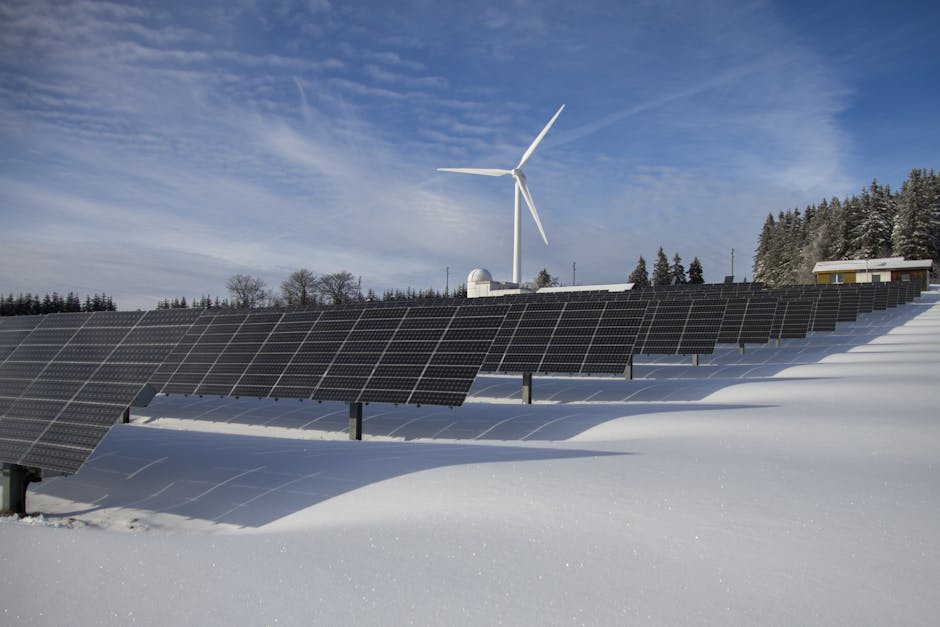
How Solar Works in Winter and Low-Sunlight Areas
Solar panels continue generating electricity during winter and cloudy weather, though at reduced capacity compared to sunny summer months. Modern solar technology and smart system design make it entirely feasible to benefit from solar energy even in regions with limited sunlight, thanks to improved panel efficiency and energy storage solutions.
Solar Panel Performance in Winter Conditions
Many homeowners assume solar panels don’t work when it’s cold or cloudy, but this is a common misconception. Solar panels generate electricity from light, not heat. In fact, solar panels operate more efficiently in cooler temperatures because excessive heat can reduce their output by 0.5% per degree Celsius above 25°C (77°F).
During winter months, solar panels still receive diffuse light even on overcast days. Studies show that panels can generate 10-25% of their rated capacity on cloudy days, depending on cloud density and panel quality. Snow coverage does reduce output, but most snow melts quickly or slides off tilted panels due to their smooth surface and the heat they generate.
The main challenge in winter isn’t temperature—it’s the reduced daylight hours and lower sun angles. Days are shorter, and the sun sits lower in the sky, meaning less direct solar radiation reaches your panels. However, this is precisely why proper system sizing and battery storage become crucial for winter performance.
Optimizing Solar Systems for Low-Sunlight Regions
If you live in a region with frequent clouds, winter snow, or high latitudes where sunlight is limited, several optimization strategies can maximize your solar investment:
System Sizing and Grid Connection: Most homeowners in low-sunlight areas stay connected to the electrical grid rather than relying solely on solar. Your system is sized to generate surplus power during sunnier months, which you can use credits for during darker seasons. Net metering policies allow you to bank excess summer production and draw from the grid during winter without additional costs.
Battery Storage: Adding a home battery system like a lithium-ion battery backup provides energy independence and smooths out seasonal variations. Batteries store excess solar production from sunny days so you can use that energy during extended cloudy periods or at night. While batteries increase upfront costs, they provide resilience and potential savings on demand charges.
Panel Placement and Angle: In winter, optimal panel positioning differs from summer. Professional installers adjust tilt angles seasonally or use panels angled specifically for winter sun exposure (typically steeper angles in northern regions). Ensuring zero shading from trees or buildings during winter’s lower sun angles is critical.
Panel Technology: Modern high-efficiency panels, including monocrystalline and newer technologies like bifacial panels, perform better in low-light conditions. These premium panels cost more upfront but generate more electricity per square foot, which matters greatly in regions where sunlight is limited.
Real-World Winter Solar Production Examples
Let’s examine how solar performs in various winter scenarios. A typical 6kW residential solar system in a northern climate like Minnesota or upstate New York might produce only 30-40% of its summer output during December and January. However, across the entire winter season (December through February), cumulative production still represents 20-25% of annual output.
In moderate-winter areas like the Pacific Northwest or Northeast, where clouds are frequent but temperatures remain mild, a 6kW system produces roughly 35-45% of summer output. This is still substantial—enough to offset significant monthly electric bills even with reduced sunlight.
The key insight: even with winter’s challenges, annual solar production in low-sunlight areas remains attractive. Most grid-connected systems produce enough value across the entire year to justify installation and offer strong financial returns, especially with available tax credits and incentives.
Seasonal production variations are normal and expected. Homeowners who understand this pattern plan accordingly, either by maintaining grid connections or sizing battery systems appropriately for their needs.
How to Use the Solar Calculator for Your Climate
Unsure how much solar production to expect in your specific location during winter? Our solar calculator accounts for your local climate, seasonal variations, system size, and panel orientation to project realistic energy production month-by-month. Use our solar production calculator to input your address and receive custom estimates for both winter and summer performance. This tool helps you understand what to expect year-round and determines the system size needed for your goals.
Frequently Asked Questions
Do solar panels work at all in winter?
Yes, absolutely. Solar panels generate electricity throughout winter, though at reduced levels compared to summer. On overcast winter days, panels typically produce 10-25% of their rated capacity. On clear winter days, production can reach 50-75% of summer levels despite shorter daylight hours. The combination of all winter days still contributes meaningfully to annual solar production, especially when your system is properly sized and connected to the grid.
What percentage of electricity can I get from solar in winter?
This varies by location and climate. In northern regions, winter production might represent only 15-20% of total annual output, while southern locations see 25-35% of annual production during winter. However, “low winter production” is relative—a 6kW system in Minnesota still generates 1,000-1,500 kWh during winter months, offsetting significant utility bills. Grid-connected systems address seasonal variation naturally through net metering.
Should I add battery storage if I live in a cloudy area?
Battery storage is beneficial but not essential for grid-connected homes in cloudy regions. Batteries make sense if you want backup power during outages, desire maximum energy independence, or face high time-of-use electricity rates. For many homeowners in low-sunlight areas, staying connected to the grid and using net metering provides the most cost-effective solution. Evaluate your specific goals and local utility rates to decide if batteries make financial sense for your situation.