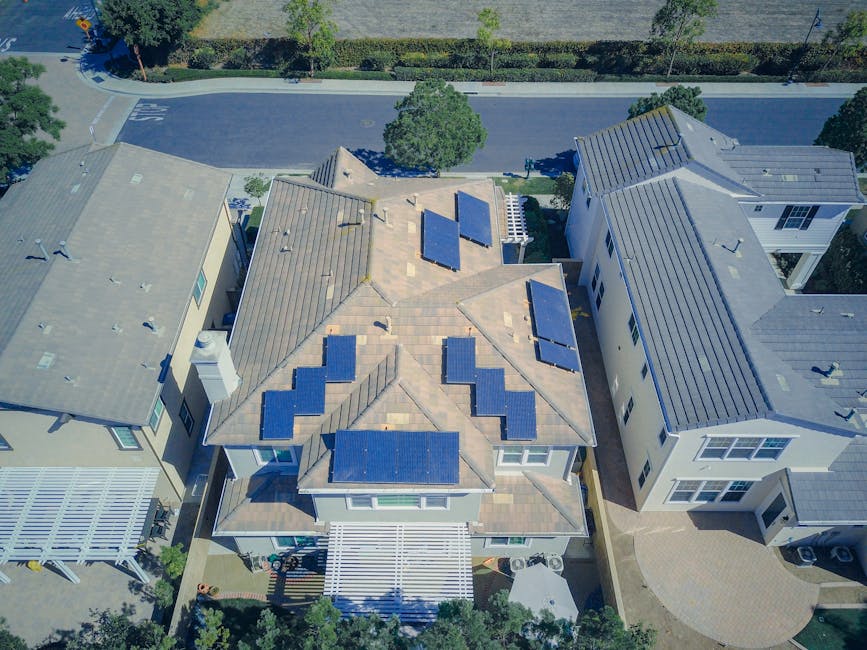
Solar for Existing Homes vs New Construction: Complete Guide
Adding solar to an existing home and installing it during new construction involve different processes, costs, and benefits. New construction offers the advantage of integrated planning and optimal roof orientation, while retrofitting existing homes provides flexibility and immediate energy savings. Both paths lead to substantial long-term financial and environmental benefits.
Solar Installation on Existing Homes
Retrofitting an existing home with solar panels is the most common path for homeowners. The process typically begins with a comprehensive roof assessment to determine structural integrity, age, and remaining lifespan. Since most residential solar systems last 25-30 years, you’ll want your roof to be in good condition for at least the next decade.
The installation timeline for existing homes usually spans 2-4 weeks from initial consultation to system activation. Installers will evaluate your roof’s orientation, tilt angle, and shading patterns to determine optimal panel placement. Unlike new construction, you’re working with fixed architectural constraints, which sometimes means accepting a less-than-ideal roof direction or working around obstacles like chimneys and vents.
Cost considerations for retrofitting typically range from $15,000 to $25,000 before incentives for an average 6-8 kW system. If your roof needs replacement, expect additional expenses of $10,000-$20,000. However, federal tax credits, state rebates, and financing options can substantially reduce your out-of-pocket costs. Many homeowners find that monthly solar loan payments are lower than their previous electricity bills, creating immediate cash flow benefits.
A major advantage of retrofitting is flexibility. You can start small with a partial system and expand later, adjust system size based on your current energy needs, and take advantage of improving technology and decreasing costs over time. Additionally, existing homes can more easily accommodate battery storage systems if you want energy independence or backup power during outages.
Solar Integration in New Construction
Installing solar during new home construction offers significant planning advantages that aren’t available in retrofits. Builders and architects can design the home with solar in mind, optimizing roof pitch, orientation, and structural elements from the foundation up. This integrated approach often results in more aesthetically pleasing installations and better long-term performance.
Cost efficiency improves substantially in new construction because solar installation happens alongside other roofing and electrical work. Contractors can coordinate schedules, combine labor, and streamline permitting processes. New construction solar costs often run 10-15% lower per watt than retrofits because installation labor is bundled with other building activities and materials are delivered with other construction supplies.
From a financing perspective, new construction solar can be incorporated into your mortgage rather than requiring separate financing. This approach often results in lower interest rates and simplified paperwork. Some builders even include basic solar systems as standard features in their homes, making it a seamless part of the purchase rather than an add-on investment.
The planning phase for new construction solar begins during home design. You can specify system size, component quality, and future expansion capability before breaking ground. This proactive approach means you’ll never experience the frustration of discovering your roof isn’t ideal for solar after you’ve already moved in. Additionally, new construction allows for integrated battery storage and smart home energy management systems designed from scratch rather than retrofitted into existing systems.
However, new construction solar does involve less flexibility. You’re committed to your system size at purchase rather than adjusting later based on actual energy usage patterns. Changes after construction begins typically incur expensive modification fees.
Key Differences and Considerations
The timeline differs significantly between the two approaches. New construction integration happens during months 3-6 of building, with activation at move-in. Existing home retrofits happen after purchase and take only weeks for installation but require months for planning and permitting.
Roof condition dramatically impacts retrofit economics. A roof with 5+ remaining years of lifespan works fine for solar, but replacing a failing roof before going solar can make the overall project more expensive. In new construction, you get a warranty-backed roof installed specifically for solar performance.
Aesthetic integration also differs. New construction allows architects to incorporate solar panels into the overall design—potentially using them as a carport cover, pergola, or awning. Existing homes typically have panels mounted on visible roof surfaces, which some homeowners prefer for the visual statement and others find less appealing.
Your energy needs assessment matters differently too. New construction lets you design for estimated energy consumption before you’ve lived in the home. Existing home owners can review 12 months of actual utility bills to right-size their system perfectly, reducing the risk of over or underestimating needs.
How to Use the Calculator
To determine your specific solar potential and estimated savings, use the Solar System Cost Estimator. This tool analyzes your location, roof characteristics, current energy costs, and desired system size to provide personalized projections. Whether you’re retrofitting an existing home or planning solar for new construction, this calculator accounts for your specific circumstances and local incentives, giving you accurate financial expectations before you commit to any project.
FAQ: Solar for Existing Homes vs New Construction
Is it better to wait for new construction to install solar, or should I retrofit my current home now?
If you plan to stay in your current home 10+ years, retrofitting now makes sense because you’ll immediately begin reducing electricity costs and accumulating tax incentives. New construction is preferable if you’re building anyway, but don’t delay solar installation on an existing home just to wait for future construction. The 30% federal tax credit applies to both approaches, and energy costs typically increase annually, making earlier installation more valuable long-term.
How much money can I save with solar on an existing home versus a new build?
Savings are nearly identical long-term for equivalent system sizes and electricity costs—typically $10,000-$30,000 over 25 years depending on location and usage. New construction offers 10-15% lower upfront costs per watt, but retrofits offer better right-sizing because you’re installing based on actual usage patterns rather than estimates. The real difference appears in financing: new construction solar incorporated into your mortgage often has lower interest rates than solar-specific loans.
Can I install solar on an older home, or should I replace the roof first?
If your roof has 8+ years remaining lifespan, install solar without replacing the roof first. Solar panels extend roof life by protecting shingles from UV damage. However, roofs approaching the end of their lifespan should be replaced before solar installation to avoid costly panel removal and reinstallation. Our Solar System Cost Estimator factors in roof considerations, so use it to evaluate whether your specific home is retrofit-ready.