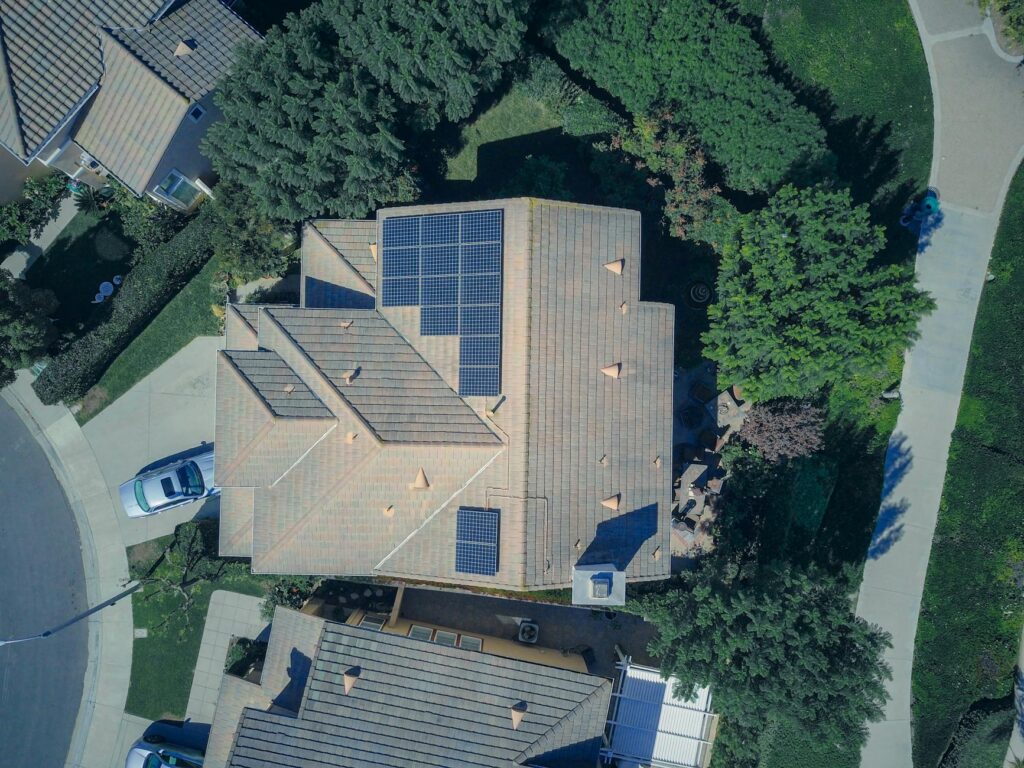
An off-grid solar system provides energy independence by storing power in batteries for use when the sun isn’t shining. These systems typically cost between $15,000 and $40,000 installed, depending on your energy needs and battery capacity. Understanding what you need and what it costs is essential before making the switch to complete energy independence.
Essential Components of an Off-Grid Solar System
Off-grid solar systems are fundamentally different from grid-tied installations because they must be completely self-sufficient. Your system needs several key components working together seamlessly.
Solar Panels are your primary energy source, converting sunlight into electricity. Most off-grid systems use 5-15 kW of panel capacity, depending on your location and energy consumption. These panels need to generate enough power not only for daily use but also to charge your battery bank during peak sunlight hours.
Battery Storage is the heart of any off-grid system. Lithium-ion batteries have become the standard choice, offering 10+ years of lifespan and 80-90% efficiency. Lead-acid batteries are cheaper upfront ($5,000-$10,000) but require more maintenance and last only 5-7 years. Most off-grid homes need 20-40 kWh of usable battery capacity to handle 3-5 days of cloudy weather.
An Inverter converts DC power from your batteries into AC power for your home appliances. Off-grid inverters must be sized larger than grid-tied units because they handle all your home’s power demand simultaneously. A quality off-grid inverter costs $2,000-$5,000.
Charge Controller manages power flow from panels to batteries, preventing overcharging and damage. MPPT (Maximum Power Point Tracking) controllers are more efficient than PWM controllers and cost $500-$2,000 depending on system size.
Mounting Hardware and Wiring complete your system infrastructure. Proper installation with quality materials ensures safety and longevity, typically adding $1,500-$3,000 to your total cost.
Sizing Your Off-Grid System Correctly
Proper sizing is critical because undersizing means power shortages, while oversizing wastes money on unnecessary equipment. The process involves three key calculations.
Calculate Your Daily Energy Needs by reviewing past electricity bills or estimating appliance usage. Off-grid homes typically consume 10-20 kWh daily, though this varies widely. Consider that heating and cooling are major consumers—many off-grid homes use alternative heating methods to reduce electricity demand.
Account for Autonomy Days in your area. This represents how many consecutive days your system must operate without solar production. Locations with frequent clouds need 5-7 autonomy days, while sunnier regions might only need 2-3 days. Your battery capacity must support this duration at your daily consumption rate.
Assess Your Solar Resource based on your geographic location, roof orientation, and shading. Peak sun hours vary from 3-6 hours daily depending on latitude and season. Your panel array must be sized to generate enough power for daily consumption plus battery charging during these peak hours, accounting for winter production being lower than summer.
Professional system designers use specialized software to model your location’s solar resource, local weather patterns, and seasonal variations. This detailed analysis ensures your system performs reliably year-round, particularly during winter months when solar production drops significantly.
Cost Breakdown and Installation Expenses
Off-grid system costs vary dramatically based on capacity, location, and battery choice. Here’s what you can expect to pay:
Small Systems (5-10 kW, $15,000-$25,000) suit homes with modest energy consumption in sunny climates. These typically include 30-50 solar panels, 15-25 kWh lithium battery storage, and basic balance-of-system components. Small systems work best for vacation homes, remote cabins, or properties with significant supplemental heating.
Medium Systems (10-15 kW, $25,000-$35,000) support average household consumption of 15-25 kWh daily. These complete off-grid installations provide energy independence for year-round living in most climates. Medium systems represent the most common choice for families transitioning to off-grid living.
Large Systems (15+ kW, $35,000-$50,000+) handle high consumption homes, those in cloudier climates, or properties wanting substantial buffer capacity. These systems include extensive battery banks (40+ kWh) and larger panel arrays.
Installation Labor adds $3,000-$8,000 depending on system complexity and local electrical codes. Off-grid installations require more expertise than grid-tied systems, so hiring qualified installers is essential. Permitting costs $500-$2,000 depending on your jurisdiction.
Backup Generator costs $2,000-$5,000 more if you want additional reliability. Most off-grid homeowners add a propane or diesel backup generator to prevent power loss during extended cloudy periods or equipment failures.
Use Our Off-Grid Solar Calculator
Estimating your specific system size and costs requires understanding your unique circumstances. Our solar calculator helps you determine the right system size for your location and energy needs. Input your daily energy consumption, local solar conditions, and desired autonomy days to get personalized recommendations and cost estimates tailored to your situation.
Frequently Asked Questions
How long does an off-grid solar system last?
Solar panels typically last 25-30 years with minimal degradation. Inverters usually need replacement after 10-15 years. Battery lifespan varies: lithium-ion batteries last 10-15 years, while lead-acid batteries last only 5-7 years. With proper maintenance and component replacement, an off-grid system can reliably provide power for 25+ years.
Can I add more battery storage later?
Yes, most modern off-grid systems allow you to expand battery capacity by adding additional battery units. Plan your system to accommodate future expansion, and ensure your charge controller and inverter are sized appropriately. Adding batteries typically costs $8,000-$15,000 per 10 kWh of storage, depending on battery type and installation requirements.
What happens during extended cloudy periods?
Your battery bank stores energy for cloudy days—that’s why proper sizing is crucial. If your batteries deplete, you’ll lose power unless you have a backup generator. Many off-grid homeowners install propane generators ($2,000-$5,000) for backup power during extended poor weather, providing essential redundancy and peace of mind.