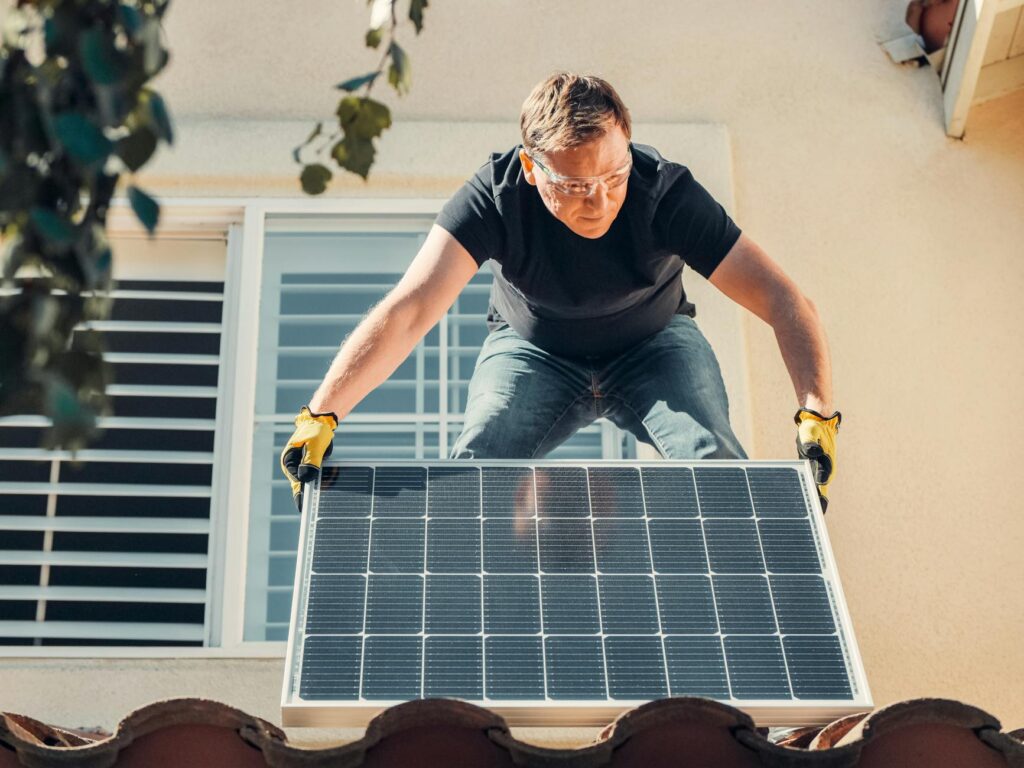
How to Calculate Your Solar Energy Savings: A Complete Guide
Solar energy is one of the most effective ways to reduce your electricity bills and contribute to a sustainable future. However, many homeowners wonder exactly how much they can save by going solar. The answer depends on several factors unique to your home, location, and energy usage patterns. This comprehensive guide walks you through everything you need to know about solar energy savings, how to calculate them accurately, and how to maximize your return on investment.
Understanding Solar Energy Savings Basics
Solar energy savings refer to the reduction in electricity costs you achieve by generating your own power from solar panels instead of purchasing electricity from your utility company. The amount you save depends primarily on your current electricity consumption, local utility rates, the size of your solar system, and the amount of sunlight your location receives annually.
On average, homeowners save between $10,000 and $30,000 over the lifetime of a solar installation, with many systems paying for themselves in 6 to 12 years. The national average electricity rate is approximately 16 cents per kilowatt-hour (kWh), though rates vary significantly by state. For example, residents in Hawaii and California face rates above 25 cents per kWh, while some southern states enjoy rates closer to 10 cents per kWh. Higher electricity rates in your area mean greater potential savings with solar.
Key Factors That Impact Your Solar Savings
Several interconnected factors determine how much money solar panels will save you over time. Understanding each one helps you set realistic expectations and make informed decisions about your solar investment.
Roof Condition and Sun Exposure: Homes with south-facing roofs and minimal shade from trees or buildings generate significantly more solar energy. Even a partially shaded roof reduces output by 25% or more. Most solar systems require at least 4 to 6 hours of peak sunlight daily to perform optimally.
System Size: A typical residential solar system ranges from 5 to 10 kilowatts (kW). Larger systems produce more electricity but cost more upfront. The ideal system size matches your monthly electricity consumption, ensuring you generate enough power to offset your utility bills substantially.
Your Current Energy Bill: Review your past 12 months of electricity bills to determine your average monthly consumption. If you use 900 kWh monthly at 15 cents per kWh, your monthly bill is approximately $135. Solar can potentially eliminate or greatly reduce this expense depending on system size and performance.
Installation Costs: The average cost of a residential solar installation ranges from $15,000 to $25,000 before incentives. This translates to roughly $2.50 to $3.50 per watt after accounting for equipment, labor, and permitting. However, the federal Investment Tax Credit (ITC) currently allows you to deduct 30% of installation costs from your federal taxes, reducing net costs significantly.
Local Incentives and Rebates: Many states offer additional incentives beyond the federal tax credit, including state tax credits, rebates, and net metering programs. Net metering allows you to send excess solar energy back to the grid and receive credits on your electricity bill, further amplifying your savings.
How to Calculate Your Personal Solar Savings
The most accurate way to calculate solar energy savings involves a straightforward formula: (your annual electricity consumption in kWh) × (your electricity rate per kWh) = your current annual electricity cost. Subtract this from zero once your solar system generates that amount, and you’ve found your savings.
For example, if you use 12,000 kWh annually at 15 cents per kWh, your current yearly electricity cost is $1,800. If a solar system costs $18,000 after the 30% federal tax credit, and it generates 12,000 kWh annually (matching your consumption), you’ll break even in 10 years. After that, nearly all electricity becomes free for approximately 15 to 20 additional years, the remaining lifespan of your panels.
However, manual calculations often miss important variables like electricity rate increases, system degradation (panels lose roughly 0.5% efficiency annually), and changes in energy consumption. This is why homeowners benefit from using specialized tools that account for these variables automatically and provide personalized estimates based on their specific address and roof characteristics.
Maximizing Your Solar Energy Savings
Beyond installation, several strategies help you optimize the financial benefits of your solar system. First, pair your solar installation with energy-efficient upgrades. Replacing old appliances, improving insulation, and installing LED lighting reduces your overall energy consumption, meaning you need a smaller (and less expensive) solar system to meet your needs.
Second, investigate battery storage options. While solar batteries like Tesla Powerwalls add $10,000 to $15,000 to your installation cost, they enable you to store excess daytime energy and use it during evening hours or power outages. In areas with time-of-use electricity rates (where evening electricity costs significantly more), batteries can increase savings by 10% to 30%.
Third, monitor your system performance regularly. Modern solar systems include monitoring apps that track daily generation and alert you to problems. Keeping panels clean and ensuring trees don’t grow into shaded areas maintains consistent performance and maximizes long-term savings.
Fourth, consider your financing method carefully. Cash purchases eliminate ongoing payments and interest, but solar loans and leases require no upfront capital. Most homeowners break even faster with cash or loans than leases, though leases appeal to those wanting minimal involvement. The federal tax credit only applies to purchases and loans, not leases.
Long-Term Savings and Return on Investment
Solar panels typically last 25 to 30 years, meaning your investment continues generating returns for decades. A $18,000 system (after incentives) that saves $1,800 annually generates $45,000 in savings over 25 years. Accounting for a typical 2% annual electricity rate increase, actual savings often reach $50,000 or more.
Additionally, studies show that homes with solar installations sell for approximately 4% more than comparable non-solar homes. This property value premium further enhances your return on investment when you eventually sell your home.
Frequently Asked Questions
How much can I save with solar panels in the first year?
First-year savings typically range from $1,200 to $3,000 for the average residential system, depending on system size, location, and local electricity rates. This calculation excludes the federal tax credit benefit, which may be claimed that same tax year, potentially returning thousands of dollars.
Do solar panels save money in cloudy climates?
Yes, solar panels still generate electricity on cloudy days, though output drops by 25% to 50% compared to sunny conditions. Even homeowners in northern climates and cloudy regions like the Pacific Northwest save money with solar, though payback periods may extend from 10 to 15 years instead of 6 to 10 years.
What happens to my solar savings if I move?
If you own your solar system outright, you can transfer ownership to the new homeowner or remove the panels (though reinstallation is expensive). If you have a solar loan, you must pay off the remaining balance before selling. Leases typically transfer to the new owner with an assumption agreement.
How do solar rebates and tax credits affect my savings?
The federal ITC covers 30% of installation costs, directly reducing your net investment. State and local rebates further lower costs, while net metering credits offset electricity charges. Together, these incentives can reduce your effective system cost by 40% to 50%, dramatically improving your savings timeline.
Can I save money with solar if my roof is partially shaded?
Partial shade reduces solar output but doesn’t eliminate savings entirely. Modern inverter technology like microinverters minimizes shading impact. If shade is substantial, focus solar panels on your sunniest roof section or consider a larger system to compensate for reduced generation in shaded areas.
Conclusion
Solar energy savings represent a genuine financial opportunity for most homeowners, combining immediate electricity bill reductions with long-term property value increases and protection against rising utility rates. While calculating savings involves multiple variables, the fundamental principle remains simple: solar panels generate free electricity for 25 to 30 years, and that electricity has real value measured in thousands of dollars.
The key to maximizing your savings is obtaining accurate, personalized estimates based on your specific location, roof characteristics, and energy consumption patterns. Generic national averages rarely reflect your unique situation, making professional assessment essential before committing to an installation.
Use Our Free Solar Savings Calculator
Stop guessing about your potential solar energy savings and get exact numbers tailored to your home. Head to our free solar savings calculator at solarestimatorpro.com to receive a detailed breakdown of your expected annual savings, system payback period, 25-year savings projection, and federal tax credit benefits. Simply enter your address and recent electricity bill information, and our advanced algorithm analyzes your roof’s solar potential, local incentives, and utility rates to generate a comprehensive savings report in minutes. You’ll discover exactly how much money solar can save you and whether installation makes financial sense for your household right now. Start your free analysis today and take the first step toward significant long-term savings.
- Solar Panel Installation Kit — Readers calculating solar savings are likely interested in DIY installation options or understanding equipment needed for solar projects
- Home Energy Monitor — Complements solar savings calculations by helping homeowners track current energy usage and monitor efficiency improvements after solar installation
- Solar Calculator Software/Tools — Directly supports the post's focus on calculating solar energy savings with dedicated tools and measurement devices for solar assessment
```html
Quick Method: Calculate Your Exact Solar Savings in Minutes
Most homeowners want a straightforward answer: "How much will I actually save?" Rather than wading through complex formulas, here's the fastest way to get your personalized number without waiting for a sales pitch.
The Three-Number Formula That Works:
- Your annual electricity bill (find it on your utility statement) u2014 this is your baseline
- Your system size estimate (typically 5-8 kW for average homes) u2014 multiply your bill by 0.85 to estimate the percentage solar will cover
- Your local electricity rate increase (usually 2-3% annually) u2014 this matters more than most calculators acknowledge
Once you have these numbers, your savings formula is: (Your Annual Bill u00d7 85%) u00d7 25 years = your rough 25-year savings potential. This gives you a conservative estimate most installers won't argue with.
Why This Matters Right Now:
Federal tax credits and local incentives change frequently. A system that saves you $25,000 today might save you $18,000 next year if credits decrease. Getting an accurate calculation specific to your address, roof orientation, and current utility rates reveals whether you're looking at genuine savings or inflated promises.
The gap between "estimated" and "actual" savings typically comes from three overlooked factors: your roof's true sun exposure, shading from trees or buildings that online tools miss, and whether your state offers performance-based incentives (some do, many don't). This is where the real difference in your bottom line appears.
Rather than relying on generic online calculators that use regional averages, getting a quote that includes your specific address data changes everything. Your actual savings could be 20% higher or lower than any national estimate u2014 and you deserve to know which before making a $30,000+ investment.
```