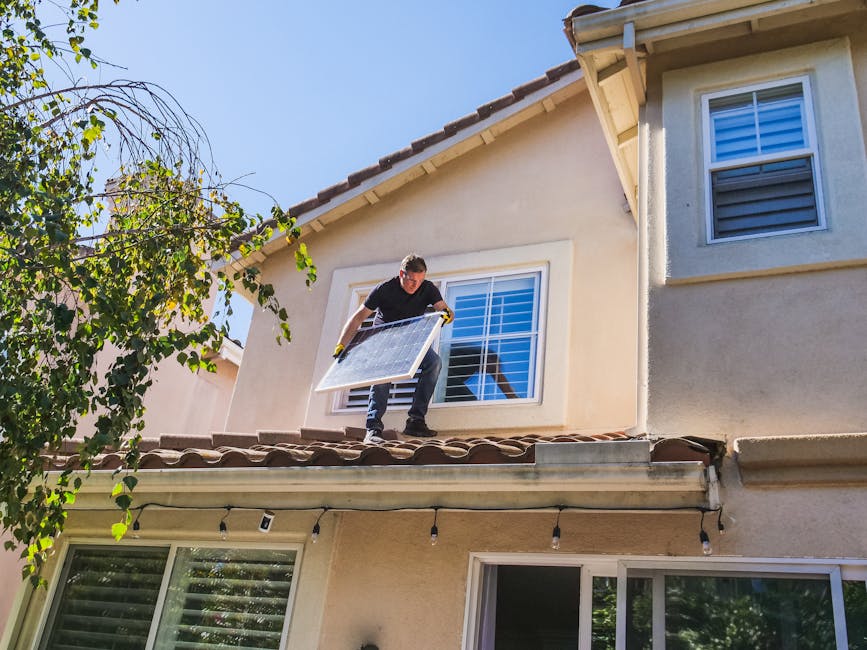
DIY solar installation costs $10,000–$15,000 but requires electrical expertise and permits. Professional installation costs $25,000–$35,000 but includes warranties, inspections, and legal compliance. DIY saves money upfront but carries safety and legal risks that may void warranties or create liability issues.
DIY Solar Installation: Cost Breakdown and Savings
When homeowners consider going the DIY route, the primary appeal is cost reduction. A typical residential solar installation costs significantly less when you handle the labor yourself.
The material costs for a 5-6 kW system range from $10,000 to $15,000. This includes solar panels ($5,000–$8,000), inverters ($2,000–$3,500), mounting hardware ($1,500–$2,000), wiring and disconnects ($500–$1,000), and batteries if you want storage ($3,000–$5,000 additional). The savings come entirely from labor elimination—professional installers typically add $8,000–$15,000 in labor costs.
However, this upfront savings figure doesn’t account for hidden expenses. Permit fees ($500–$2,000 depending on your location), inspection costs, specialized tools you may need to purchase, and potential code violations that require rework all add to the true cost. Many homeowners find the actual savings much smaller than anticipated once all expenses are tallied.
Professional Solar Installation: What You Pay For
Professional installation typically costs $25,000–$35,000 for a standard residential system. This higher price includes several tangible benefits beyond just labor.
First, professionals handle all permitting, inspections, and regulatory compliance. They understand local building codes, electrical codes, and utility interconnection requirements in your specific area. This expertise prevents costly mistakes and ensures your system meets all legal requirements from day one.
Second, professional installers provide equipment warranties (typically 10–25 years) and workmanship guarantees (5–10 years). These warranties often require professional installation to remain valid. If a DIY system develops issues, you may have no recourse beyond purchasing replacement parts at full cost.
Third, professional work typically qualifies for all available incentives. I should be upfront here: as of 2026, if you buy with cash or a loan you no longer get a federal tax credit — the 30% Residential Clean Energy Credit (IRC §25D) expired for systems placed in service after December 31, 2025. State and local incentives may still apply, and professional installation is still the best way to make sure you capture every dollar of those programs. Insurance companies and lenders also often require professional installation to validate claims or provide financing.
You’re also paying for liability protection. Professional installers carry insurance that protects both them and your home if something goes wrong. DIY installations create liability exposure that falls entirely on you.
Safety Risks and Requirements for DIY Solar
Is it safe to install solar panels yourself?
Solar installation involves multiple serious hazards. Working at heights on your roof creates fall risks—one of the leading causes of home injuries. Roof penetrations create potential water damage and leaks if sealed incorrectly. Electrical work on a solar system involves direct current (DC) voltage that can cause electrocution, and improper wiring creates fire hazards.
Battery systems add another layer of danger. Lithium-ion batteries can catch fire if incorrectly installed or damaged. Inverters must be properly grounded and disconnected during maintenance, or they pose electrocution risks.
According to the Department of Energy’s guidance on solar safety, proper training in electrical systems and roof work is essential. Most homeowners lack this specialized training, making DIY installation genuinely dangerous.
Professional installers are trained in fall protection, electrical safety protocols, and equipment-specific procedures. This training directly translates to system safety and reduces the risk of fires, electrical faults, or structural damage.
What permits do you need for solar panel installation?
Solar installation permits and regulations vary by location but typically include several components. Most jurisdictions require electrical permits for the DC and AC wiring, inverter installation, and battery systems. Building permits are usually needed for roof-mounted systems because they alter your home’s structural load.
Utility interconnection requires specific documentation showing your system meets grid standards. Some areas require fire marshal approval for battery systems. Homeowners associations often have architectural review requirements.
Managing this permitting process yourself is time-consuming and error-prone. Missing a required permit or inspection can result in fines, insurance claim denials, or difficulty selling your home. Professional installers navigate these requirements as part of their standard process.
Legal Permits, Inspections, and Compliance Issues
Unpermitted solar systems create significant legal problems. If an unpermitted system causes property damage or injury, your homeowners insurance may deny the claim, leaving you personally liable for repair costs or medical bills. Some insurance policies exclude coverage for unpermitted work entirely.
When selling your home, an unpermitted solar system must typically be disclosed, and buyers may require removal before closing. Some lenders won’t approve mortgages on properties with unpermitted solar installations. Tax assessors may also challenge the property value calculation if the system isn’t properly documented.
Electrical inspections verify that wiring meets code, equipment is properly grounded, and disconnects are properly installed. Building inspections check roof structural integrity, flashing installation, and penetration sealing. These inspections exist to protect both your safety and your home’s integrity.
DIY installers must pass these inspections just like professionals. The difference is that professionals know the codes and standards going in, while DIYers often discover code violations during inspection—then must pay for rework.
When DIY Makes Sense vs When to Hire Professionals
DIY solar installation rarely makes financial or practical sense for complete system installation. However, specific limited tasks might justify a DIY approach:
- Roof preparation: If you’re comfortable on a roof, clearing debris or checking structural condition before installation is reasonable
- Conduit and wiring layout: Planning wire paths and conduit placement before professional installation can save some labor costs
- Post-installation monitoring: Learning to use your monitoring system and performing basic maintenance is entirely appropriate
Professional installation makes sense in virtually all other situations. The combination of safety requirements, electrical expertise, permitting complexity, and warranty considerations strongly favors professional work. The true ROI difference between DIY and professional installation is often minimal once all hidden costs are included—while professional installation provides legal protection and warranty coverage.
How to Use the Calculator to Compare Your Options
Understanding the true financial difference requires calculating your specific payback period and ROI for both scenarios. Use our solar ROI calculator to input your local utility rates, available incentives, and system costs. Input both the DIY cost estimate and the professional installation quote to see the actual financial comparison.
Our payback period calculator helps you determine how quickly each option recoups its investment through energy savings. This analysis often reveals that the upfront savings from DIY installation are offset by warranty gaps, higher replacement costs, and incentive complications.
FAQ
What Happened to the 30% Federal Solar Tax Credit?
The short answer: it’s gone for homeowners who buy with cash or a loan. The 30% Residential Clean Energy Credit (IRC §25D) expired for systems placed in service after December 31, 2025, so I can’t promise you a federal credit in 2026 regardless of whether you go DIY or hire a professional. The one exception is a lease or PPA — in that arrangement the company that owns the system can still claim the federal commercial credit (Section 48E) and may pass part of it into your payment, though that path itself sunsets for projects placed in service after 2027. What remains are state and local incentives, and those do still reward properly permitted, professionally inspected installations — so cutting corners on permits still costs you real money.