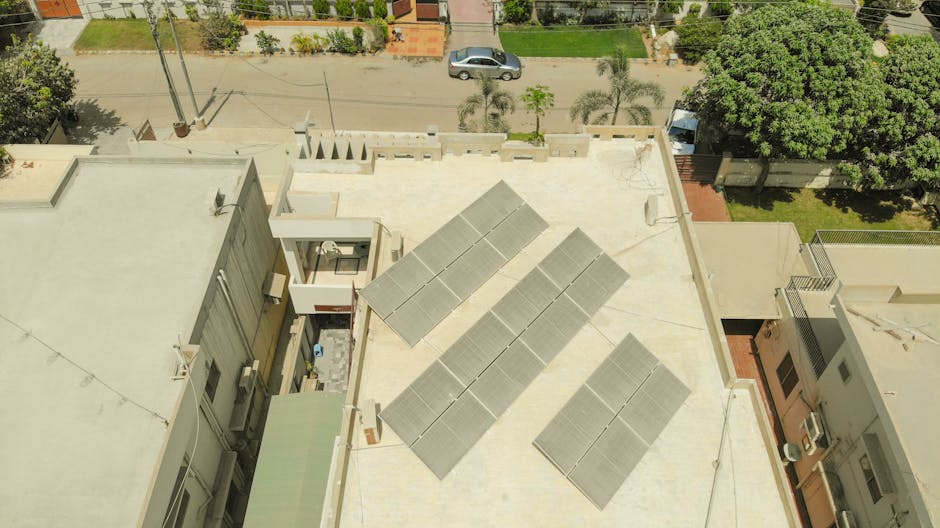
South-facing panels generate the most annual energy in the Northern Hemisphere, but east and west orientations can optimize morning or afternoon usage. The best orientation depends on your roof layout, local climate, and electricity rate structure. Understanding these differences helps maximize your solar ROI and energy independence.
South-Facing Solar Panels: The Traditional Gold Standard
For decades, solar installers have prioritized south-facing installations in the Northern Hemisphere. This orientation captures sunlight throughout the day at the steepest angle, maximizing annual energy production. Research from the U.S. Department of Energy’s Solar Energy Office confirms that south-facing arrays consistently outperform other directions by 10-25% annually, depending on your latitude and local weather patterns.
The physics is straightforward: the sun tracks south across the sky from sunrise to sunset. A south-facing panel remains perpendicular to the sun’s rays for the longest duration each day. This orientation delivers the highest kilowatt-hour (kWh) production per installed watt, making it the most efficient choice for most homeowners seeking maximum annual generation.
However, “most” doesn’t mean “all.” South-facing dominance assumes you want to maximize total energy production. If your roof faces south but receives afternoon shade, or if your utility charges significantly higher rates during morning hours, alternative orientations might deliver better financial returns despite lower overall output.
The ideal tilt angle for south-facing panels typically equals your latitude minus 15 degrees for year-round optimization. Most installers aim for a 20-40 degree tilt across the continental United States.
What is the best direction for solar panels to face?
South-facing remains the best direction for maximizing annual energy production in the Northern Hemisphere. However, “best” depends on your specific situation. If your roof faces southeast, southwest, east, or west, modern solar panels still generate substantial energy—typically 80-95% of what a true south-facing system produces. Your actual savings depend more on local electricity rates, available incentives, and your home’s unique consumption patterns.
East-Facing Solar Panels: Morning Energy Production
East-facing panels capture sunrise energy and excel during morning hours when panels run cooler and more efficiently. This orientation aligns perfectly with homes where occupants consume more electricity in the early morning—preparing breakfast, charging devices, running HVAC systems before the day’s peak heat.
East-facing installations generate approximately 15-20% less annual energy than comparable south-facing systems. However, this energy arrives when it’s often most valuable. If your utility charges time-of-use (TOU) rates with premium morning rates, east-facing panels can provide superior financial returns despite lower total output.
Another advantage: east-facing arrays experience less thermal stress. Morning sun angles are gentler than afternoon heat, which keeps panels cooler and operating at higher efficiency. Silicon solar panels lose approximately 0.4-0.5% efficiency for every degree Celsius above 25°C (77°F). Cooler morning operation translates to real performance gains.
East-facing panels also pair well with battery storage systems. Morning production fills batteries when demand is lowest, storing energy for afternoon and evening use. This strategy maximizes self-consumption in homes with electric vehicle charging or second-shift work schedules.
West-Facing Solar Panels: Afternoon Peak Performance
West-facing panels generate energy during afternoon and evening hours when electricity demand typically peaks. This orientation produces approximately 15-20% less annual energy than south-facing systems but delivers output during premium rate periods in many regions.
Utility companies structure time-of-use rates to discourage consumption during peak afternoon hours (typically 2 PM to 8 PM). If your utility charges 50-200% higher rates during these windows, west-facing panels can generate net revenue despite lower total production. A west-facing system producing 20% less energy at peak rates sometimes outvalues a south-facing system producing 20% more energy at lower off-peak rates.
West-facing installations suit homes where occupants return from work in the afternoon, run air conditioning during peak heat, and cook dinner during typical peak demand periods. The alignment between panel output and household consumption reduces grid reliance and maximizes self-consumption benefits.
One consideration: afternoon sun delivers intense heat. West-facing panels operate hotter than east-facing or south-facing arrays, slightly reducing efficiency compared to the same wattage facing other directions. Quality inverters and modern panel designs minimize this impact, but it remains a factor in performance calculations.
How Panel Orientation Affects Your Solar Savings
Panel orientation influences your solar savings through two mechanisms: total energy production and timing alignment with electricity rates.
Total Production Impact: South-facing delivers 10-25% more annual kWh than east or west orientations. In states with flat rate structures, this translates directly to higher annual savings. A 6-kW south-facing system might produce 8,400 kWh annually in California, while an equivalent east or west system produces 6,800-7,100 kWh.
Rate Timing Impact: Time-of-use rates dramatically change the payback calculation. In California, Texas, and New York, peak rates run 3-5x higher than off-peak rates. A west-facing 6-kW system producing 6,900 kWh at peak times might save more than an 8,400 kWh south-facing system producing 60% of output during cheap off-peak hours.
Your true payback period depends on:
- Your utility’s rate structure (flat rate vs. time-of-use)
- Peak demand hours in your region
- Your home’s consumption patterns
- Available federal tax credits and state incentives
- Current electricity prices and projected rate increases
- Roof shade patterns throughout the year
Use our solar payback period calculator to model your specific scenario with local rates and orientation options.
Which Orientation Is Right for Your Home?
Selecting the optimal orientation requires analyzing three factors: available roof space, local electricity rates, and household consumption patterns.
Available Roof Space: If your south-facing roof has limited area due to dormers, vents, or shade, east and west orientations expand installation potential. Split systems (some panels facing east, others facing west) balance morning and afternoon production while utilizing limited south-facing space for maximum output.
Electricity Rate Structure: Contact your utility and request your rate schedule. Note whether you have time-of-use rates and when peak periods occur. Request 12 months of billing history to understand your consumption patterns. Homes on peak-rate plans benefit from east or west orientations aligned with their usage.
Household Patterns: Families with morning showers, electric vehicle charging before work, and mid-afternoon occupancy have different needs than those who work full-time and return evenings. Your consumption profile determines which orientation matches your energy production to your usage.
Do solar panels work better facing east or west?
Performance depends on your definition of “better.” East-facing panels produce cooler, more efficient morning energy. West-facing panels capture afternoon peak-rate periods. Neither outperforms the other universally—the superior choice depends on your utility rates, consumption patterns, and roof layout. South-facing panels work best for maximum annual production in most situations.
How to Use Our Solar Orientation Calculator
Our solar ROI calculator models multiple orientation scenarios with your local utility rates, installation costs, and available incentives. Enter your zip code, annual electricity consumption, and current bill amount. The calculator retrieves your utility’s rate schedule and projects 25-