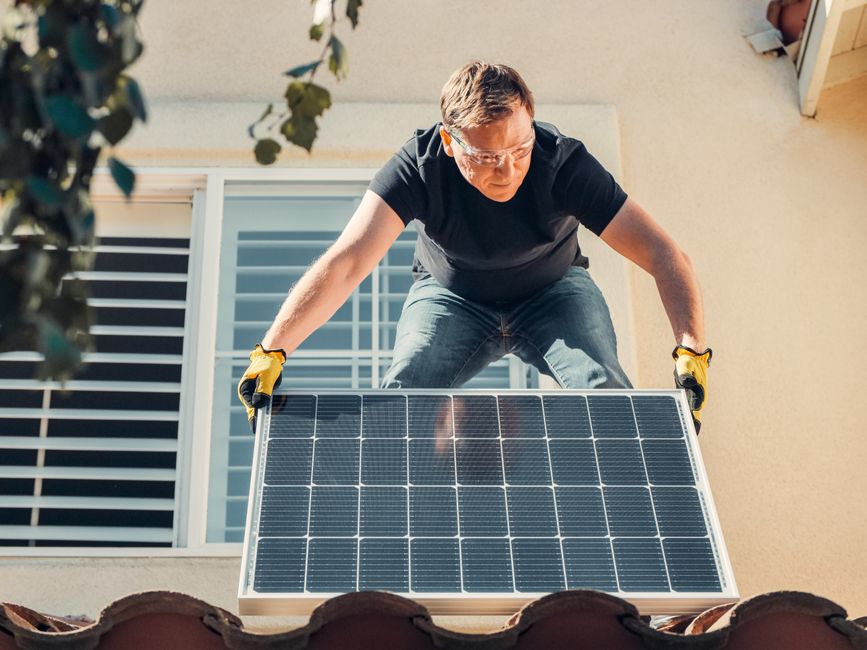
The most common solar installation mistakes include poor roof assessment, inadequate system sizing, ignoring local permits, choosing unqualified installers, and failing to optimize panel placement. These errors can reduce energy production by 10–25% and void warranties, costing homeowners thousands in lost savings.
Common Solar Installation Mistakes Homeowners Make
Going solar is one of the smartest financial decisions a homeowner can make — but only when the installation is done correctly. Common solar panel installation errors are far more widespread than most buyers realize, and many don’t surface until your first utility bill or system audit reveals underperformance.
What are the biggest mistakes people make when installing solar panels?
Based on system performance data and residential installation standards, here are the seven most damaging errors homeowners encounter:
- Skipping a proper roof assessment: Installing panels on a roof with less than 10 years of remaining life forces you to remove and reinstall the entire system for roof repairs — typically adding $3,000–$5,000 in extra labor costs.
- Undersizing or oversizing the system: A system sized without a 12-month energy usage analysis will either leave you dependent on grid power or generate excess electricity you can’t fully monetize.
- Ignoring local permit requirements: Most jurisdictions require electrical and building permits before interconnection approval. Skipping this step can result in fines, forced system removal, or voided homeowner’s insurance.
- Choosing an unqualified installer: Not all solar contractors carry the North American Board of Certified Energy Practitioners (NABCEP) certification or meet state licensing requirements. This directly affects workmanship warranty validity.
- Poor panel placement and shading analysis: Even partial shading from a chimney or nearby tree can reduce string inverter output by 20–30%, according to research referenced by the U.S. Department of Energy’s Solar Energy Technologies Office.
- Incorrect tilt and azimuth angle: In the continental U.S., south-facing panels at a tilt angle equal to your latitude typically maximize annual yield. Deviations of 15° or more can reduce production by 10–15%.
- Failing to read the interconnection agreement: Utility interconnection terms affect net metering credits, export limits, and system size caps. Missing these details can eliminate hundreds of dollars in annual bill credits.
How Poor Installation Affects Your Solar Savings
Solar installation mistakes don’t just cause one-time headaches — they compound financially over the 25–30 year life of your system. Here’s how errors translate directly into lost dollars:
Reduced energy production: A system producing 15% below its rated capacity on a 10 kW installation (roughly 14,000 kWh/year expected) loses approximately 2,100 kWh annually. At a national average retail electricity rate of $0.16/kWh, that’s $336 in lost savings every single year — or over $8,400 across a 25-year period.
Voided equipment warranties: Major panel manufacturers including Tier 1 brands require installation to follow IEC 61215 and IEC 61730 standards. Improper mounting, wiring, or ventilation gaps can void the product warranty entirely, leaving you unprotected against panel degradation claims.
Incentive disqualification: The federal Residential Clean Energy Credit (30%, which ended for residential systems installed after December 31, 2025) required that equipment meet specific eligibility standards and that installation be at your primary or secondary residence. Permit violations or unlicensed work can create complications during IRS audit of the credit claim.
Structural damage: Incorrect flashing or rafter attachment points are among the leading causes of roof leaks in solar installations. Repairs that involve removing and reinstalling panels often cost more than the original installation warranty covers.
Steps to Avoid Solar Installation Errors
Residential solar installation best practices follow a systematic pre-installation, installation, and post-installation verification process. Here’s what that looks like in practice:
How do I know if my solar installation was done correctly?
You can verify correct installation through several checkpoints:
- Request the system design report: A properly designed system will include a shading analysis (PVWatts or equivalent), a load analysis using 12 months of utility data, and a production estimate with confidence intervals.
- Confirm all permits were pulled and inspected: Your local building department can confirm whether electrical and structural permits were issued and passed inspection. This is public record.
- Review the monitoring data in month one: Most modern inverters include real-time monitoring. Compare actual kWh production against the installer’s monthly production estimate. A variance greater than 10% in ideal weather conditions warrants investigation.
- Verify utility interconnection approval: Your utility will issue a Permission to Operate (PTO) letter. Without it, your system is not legally connected to the grid and net metering credits are not accruing.
- Check all penetrations are flashed and sealed: A physical roof inspection should confirm that every mounting point uses appropriate flashing hardware — not just sealant alone.
According to Energy.gov’s residential solar guidance, homeowners should also confirm that their installer provides a copy of all permits, warranties, and the interconnection agreement before final payment is released.
Questions to Ask Your Solar Installer
Before signing any contract, use these questions to screen for how to avoid solar installation problems before they happen:
- “What credentials do your installation crews hold?” Look for NABCEP-certified project managers and licensed electricians on the crew — not just the company’s master license.
- “How did you calculate my system size?” The answer should reference your actual utility bills, not a national average or square footage estimate.
- “Will you pull all required permits?” Any installer who suggests skipping permits to save time is a red flag — permits protect you legally and financially.
- “What production guarantee do you offer?” Some installers back their production estimates with a performance guarantee tied to the system monitoring data.
- “Who handles warranty claims — you or the manufacturer directly?” Understanding this chain of responsibility matters if panels underperform 10 years from now.
Verification Checklist Before Installation Completion
Before making your final payment and signing off on the installation, confirm each of the following:
- ✅ All permits issued and final inspection passed
- ✅ Permission to Operate (PTO) letter received from utility
- ✅ Monitoring system active and accessible via app or web portal
- ✅ First-month production data matches installer estimate within 10%
- ✅ All roof penetrations physically inspected and properly flashed
- ✅ Copies of all equipment warranties in hand (panels, inverter, racking)
- ✅ Workmanship warranty terms documented in writing
- ✅ System design report including shading analysis provided