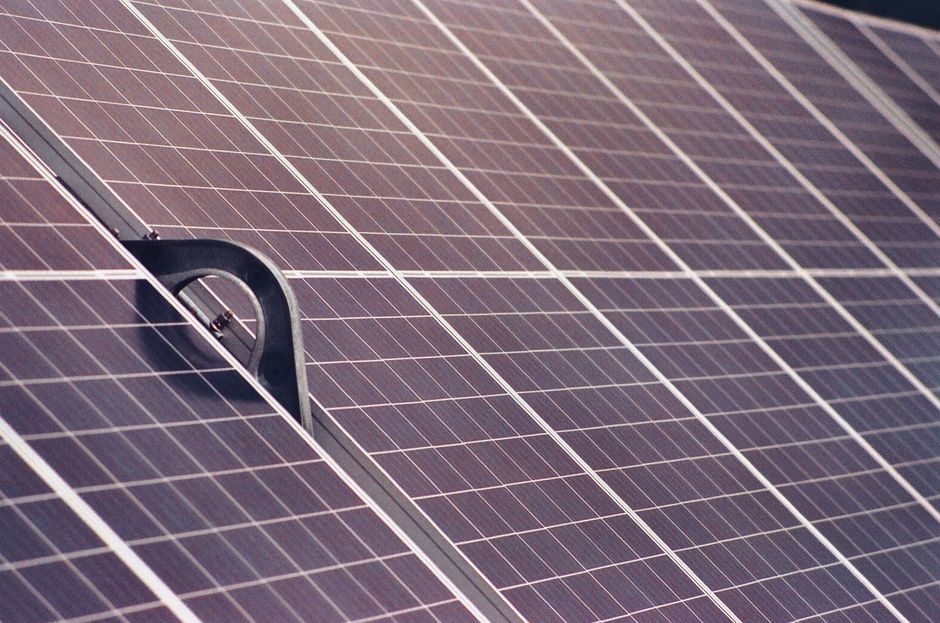
In 2026, solar panel costs per watt range from $2.50 to $3.50 for residential installations, with premium brands commanding higher prices. Complete system costs typically fall between $15,000 to $25,000 before incentives. Actual per-watt pricing varies by brand reputation, efficiency ratings, and warranty coverage.
Solar Panel Cost Per Watt in 2026: Overview
Understanding the average cost of solar panels in 2026 requires looking beyond the sticker price. The cost-per-watt ($/W) metric is the industry-standard way to compare solar quotes fairly across different system sizes. A 10 kW system priced at $30,000 works out to $3.00 per watt — a number that makes comparison shopping straightforward regardless of whether you’re evaluating a 6 kW or 12 kW installation.
According to the U.S. Department of Energy’s Solar Energy Technologies Office, residential solar prices have declined significantly over the past decade, and 2026 continues that trend as manufacturing efficiencies and domestic supply chains mature. The federal Investment Tax Credit (ITC) was 30% through the end of 2025, but the One Big Beautiful Bill Act ended it for residential systems installed in 2026, so it no longer reduces your net cost per watt.
Here’s a quick snapshot of where prices land in 2026:
- Budget panels: $2.50–$2.80 per watt installed
- Mid-range panels: $2.80–$3.20 per watt installed
- Premium panels: $3.20–$3.50+ per watt installed
What is the average cost per watt for solar panels in 2026?
The national average cost per watt for a residential solar installation in 2026 sits at approximately $3.00 to $3.10 before incentives. With no federal credit in 2026 (the 30% ITC ended at the end of 2025), that average stays at roughly $3.00–$3.10 per watt. State-level rebates and utility incentives can reduce that figure further depending on where you live.
Price Breakdown by Top Solar Panel Brands
Solar panel price comparison by brand is one of the most practical ways to plan your budget. Below is a breakdown of where major manufacturers fall in the 2026 market. Note that these are installed cost ranges, not equipment-only prices.
Premium Tier ($3.20–$3.50/W Installed)
Premium-tier panels typically deliver efficiency ratings of 21–23% and come with 25–30 year comprehensive product and performance warranties. These panels are engineered for maximum output in limited roof space and for homeowners who prioritize long-term reliability. Expect premium brands to carry superior low-light performance ratings and robust degradation guarantees, often warranting no more than 0.25%–0.30% annual output loss.
Mid-Range Tier ($2.80–$3.20/W Installed)
Mid-range panels offer efficiency ratings of 19–21% and represent the best value proposition for most homeowners. These panels balance strong performance warranties (typically 25 years) with competitive pricing. Most installers recommend this tier for standard residential rooftops with adequate sun exposure. This is where the bulk of the solar panel cost comparison conversation takes place for average households.
Budget Tier ($2.50–$2.80/W Installed)
Budget panels carry efficiency ratings of 17–19% and typically feature 10–15 year product warranties with 25-year linear performance guarantees. They can be a smart choice when roof space is not a constraint and upfront cost minimization is the primary goal. The trade-off is a slightly longer payback period due to lower output density.
Which solar panel brand is the most affordable in 2026?
Budget-tier manufacturers — including several Chinese-manufactured brands that have expanded U.S. distribution — consistently offer the lowest installed costs, often landing at $2.50–$2.65 per watt. However, “most affordable” doesn’t always mean “best value.” Factor in efficiency, warranty depth, and the financial stability of the manufacturer before prioritizing the lowest per-watt price alone.
Factors Affecting Solar Panel Costs
Your final solar panel cost per watt in 2026 is shaped by several variables beyond just the panel brand. Understanding these factors helps you evaluate competing quotes accurately.
- System size: Larger systems (10 kW+) typically unlock lower per-watt pricing due to economies of scale in labor and equipment procurement.
- Roof complexity: Steep pitches, multiple angles, and difficult access increase labor costs, raising your effective per-watt price.
- Inverter type: String inverters are the most affordable option; microinverters and DC optimizers add $0.15–$0.35 per watt to system cost but improve performance in shaded conditions.
- Geographic location: Labor markets vary significantly. Installation costs in the Northeast and California tend to run higher than in the Midwest and South.
- Permitting and interconnection fees: These vary by municipality and utility and can add $500–$2,000 to a project’s total cost.
- Battery storage add-ons: Adding a battery system increases total project cost but does not affect your solar panel cost per watt calculation, which covers panels and installation only.
Based on data from the DOE Homeowner’s Guide to Going Solar, getting three or more quotes remains the single most effective strategy for securing competitive per-watt pricing in your local market.
How to Calculate Your Total Solar Installation Cost
Calculating your total solar installation cost from per-watt pricing is straightforward once you know your target system size.
Formula: System Size (watts) × Cost Per Watt = Gross System Cost
Example: A 8,000-watt (8 kW) system at $3.00/W = $24,000 gross cost. With no federal credit in 2026: net cost is the full $24,000 (the 30% ITC ended at the end of 2025).
To determine the right system size, divide your annual electricity consumption (in kWh) by your location’s peak sun hours multiplied by 365. A home consuming 12,000 kWh annually in a region with 4.5 peak sun hours per day would need approximately a 7.3 kW system to offset 100% of usage.
Your payback period can then be estimated by dividing the net system cost by your annual electricity savings. At $16,800 net cost with $1,800 in annual savings, the simple payback period is approximately 9.3 years — well within the 25-year warranty lifespan of most panels.
Comparing Premium vs Budget Solar Panels
The premium vs. budget solar panel debate ultimately comes down to your roof size, your financial priorities, and how long you plan to own your home.