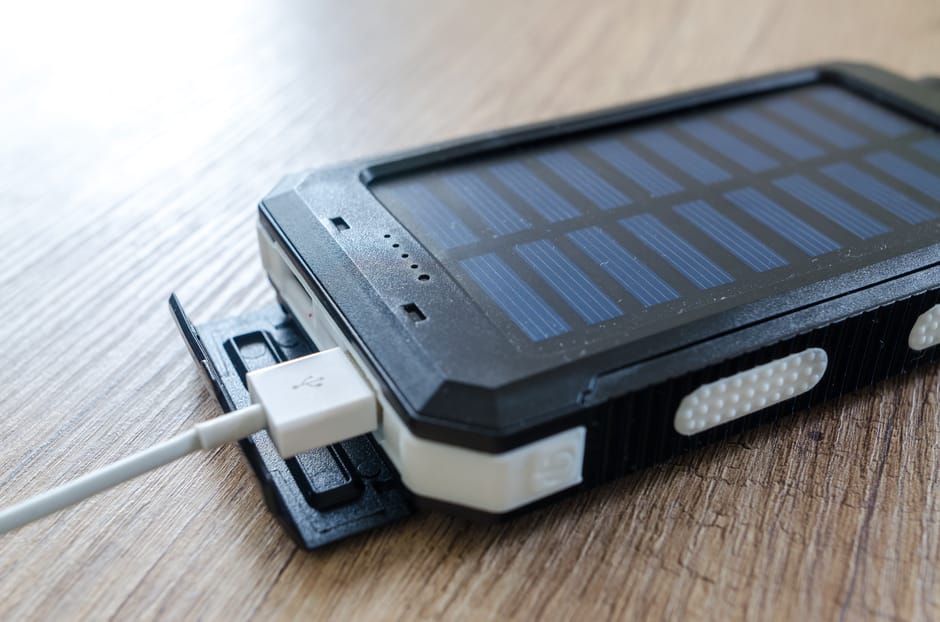
Portable solar panels suit temporary power needs and renters with upfront costs of $300–$3,000, while home installations ($15,000–$25,000) offer 25–30 year warranties, higher efficiency, and federal tax credits. Choose portable for flexibility; choose home installation for maximum long-term savings and property value increase.
Portable Solar Panels: Cost, Benefits, and Limitations
Portable solar panels have become increasingly popular as a flexible energy solution. These compact systems typically range from small 100-watt units to larger 400-watt setups, with costs between $300 and $3,000 depending on capacity and brand quality.
Key advantages: Portable solar panels require zero installation, no roof modifications, and can move with you if you relocate. They’re ideal for renters, RV owners, and anyone needing temporary power. You avoid permitting hassles and can test solar technology before committing to a permanent system.
Significant limitations: Portable systems generate far less electricity than roof installations—a typical portable panel produces 100–400 watts, while a home solar array generates 5,000–10,000 watts daily. You’ll also face weather dependency, limited battery integration options, and no access to federal tax credits or state incentives. Efficiency drops in suboptimal conditions, and durability typically spans 5–10 years rather than 25–30.
A portable solar panel cost comparison reveals that while the initial investment seems attractive, the per-watt cost ($2–$5 per watt) is significantly higher than grid-tied home installations ($1.50–$2.50 per watt after incentives).
Home Solar Installation: Long-Term Investment Breakdown
Residential solar installation represents a permanent energy solution designed to maximize savings over decades. The average home installation costs $15,000–$25,000 before incentives, though this varies by location, roof size, and local electricity rates.
Financial reality: The federal Investment Tax Credit (ITC) allowed homeowners to deduct 30% of installation costs through the end of 2025, but the One Big Beautiful Bill Act ended it for residential systems installed in 2026. According to the U.S. Department of Energy, this credit significantly reduces net investment. Many states offer additional rebates, tax credits, and performance-based incentives that lower your true cost.
Long-term benefits: Home solar systems produce 70–90% of your electricity needs for 25–30 years with minimal degradation (typically 0.5% annually). You’ll see payback periods of 6–12 years depending on your local utility rates, and then enjoy 15–18 years of essentially free electricity. Home installations also increase property value—studies show homes with solar sell for approximately 4% more than comparable homes without systems.
Monthly energy bill reductions typically range from $100–$300 for average U.S. homeowners, though this depends on your current consumption and electricity rates. Use our solar ROI calculator to determine your specific payback timeline based on local utility rates and available incentives.
Key Differences: Efficiency, Durability, and Maintenance
Efficiency Ratings
Modern home solar panels achieve 18–22% efficiency, converting that portion of sunlight into usable electricity. Portable panels typically range from 15–18% efficiency. However, system-level efficiency matters more—a 5-kilowatt home installation produces significantly more usable power than a 400-watt portable system, regardless of panel efficiency percentages.
Durability and Warranties
Home solar installations include 25–30 year product warranties and 10–25 year performance guarantees. Portable systems typically offer 2–5 year manufacturer warranties. Most home systems degrade less than 0.5% annually, while portable panels often degrade 1–2% yearly due to exposure and movement stress.
Maintenance Requirements
Home installations require occasional cleaning (2–4 times yearly) and professional monitoring. Portable systems need regular inspection for connector wear, battery health checks, and weather protection. Neither requires ongoing operational expenses, but home systems benefit from professional inspection during their lifespan.
How to Choose: Portable Solar vs Home Installation
Is it cheaper to buy portable solar panels or install home solar?
Portable solar panels have lower upfront costs ($300–$3,000) but poor long-term economics. Home solar costs more initially but delivers 80–90% cost savings over 25 years. If you plan to stay in your home for 6+ years, home installation provides superior financial returns. For renters or those with uncertain living situations, portable panels make financial sense despite higher per-watt costs.
Can you use portable solar panels instead of roof solar installation?
Technically yes, but practically no for most homeowners. Portable panels can’t replicate a home installation’s power output, warranty protection, or incentive eligibility. However, portable panels work excellently as supplements—adding backup power, charging batteries, or powering specific circuits during outages. Many homeowners use portable systems while saving for permanent installations.
Cost-Benefit Analysis and ROI Comparison
To evaluate which option suits your situation, compare total cost of ownership over your expected timeframe:
Portable solar 10-year scenario: $2,000 initial investment + $500 in replacement batteries and repairs = $2,500 total cost. Energy savings: approximately $8,000–$12,000 depending on daily usage (if used 8+ hours daily). Net benefit: $5,500–$9,500.
Home solar 10-year scenario: $18,000 initial cost − $5,400 federal tax credit = $12,600 net investment + $1,000 maintenance = $13,600 total cost. Energy savings: $120–$300 monthly × 120 months = $14,400–$36,000. Net benefit: $800–$22,400 (varies by location).
This analysis shows why when to choose portable solar panels matters contextually. They win on flexibility and upfront cost; home installations win decisively on financial return and energy independence when you plan to stay home for multiple years.
Calculate your specific payback period with our solar payback period calculator, which incorporates your local utility rates and available incentives.
Use Cases: When Each Option Makes Sense
Choose portable solar panels if: You rent your home, frequently relocate, need supplemental backup power, want to test solar before permanent installation, or have temporary power needs for RVs, boats, or off-grid cabins.
Choose home installation if: You own your home and plan to stay 6+ years, want to maximize energy independence, seek federal tax credits and state rebates, desire increased property value, or need to power your entire household sustainably.
Many homeowners use a hybrid approach—installing roof solar for primary power while keeping portable panels for emergency backup or powering specific appliances during outages.
How to Use the Calculator
Understanding your personal economics is crucial when comparing these options. Our solar savings calculator analyzes your specific situation by accounting for:
- Your current monthly electricity bill and consumption patterns
- Your local utility rates and rate structure
- Available federal tax credits and state/local incentives
- Your roof’s solar potential and shading conditions
- Expected payback period and 25-year savings projections