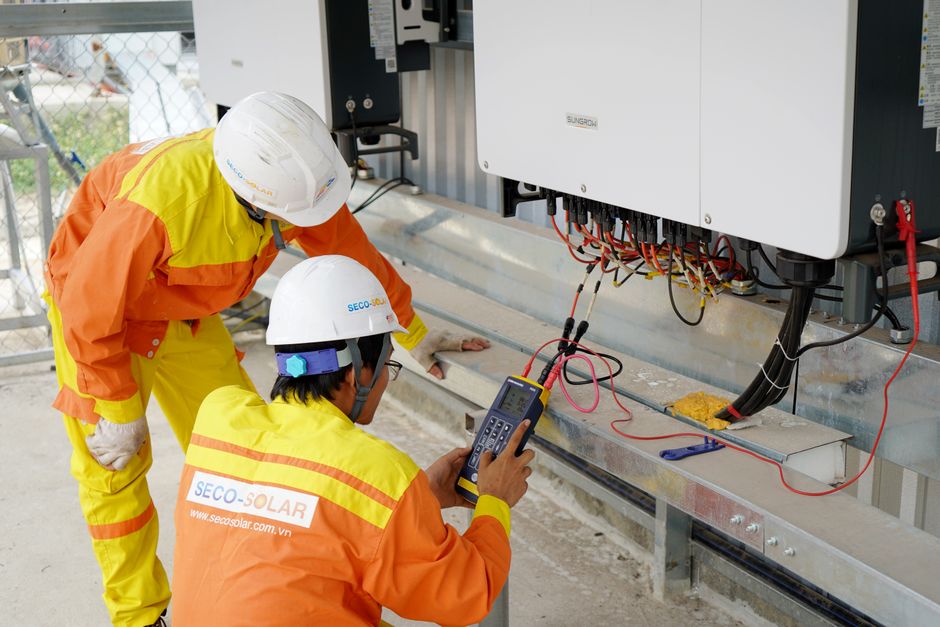
A solar easement is a legal agreement that protects a property owner’s right to access sunlight for solar panel systems by preventing neighboring properties from blocking solar access through tree growth or future construction. It ensures consistent solar energy production and safeguards your renewable energy investment long-term. (Related: Complete Guide to Minnesota Solar Tax Credits, Rebates, and Financial Incentives for 2026) (Related: Solar Power for Renters: 6 Proven Options Available in 2026) (Related: Solar Panel Output Winter by State: Complete 2026 Guide) (Related: Federal Home Energy Tax Credits: A Guide to Claiming Expiring Solar Installation Incentives Before the Deadline) (Related: Solar Savings Calculator: Estimate Your Payback Period) (Related: Complete Guide to Solar Property Tax Exemptions by State 2026)
What Is a Solar Easement
A solar easement definition, at its core, is a voluntary or legally recorded property right that grants one landowner the ability to receive unobstructed sunlight across a neighboring property. Unlike a general property easement that might allow physical access to land, a solar easement specifically governs light — protecting the angle and path sunlight must travel to reach your solar panels.
Solar easement agreements are typically recorded with the local county recorder’s office, making them binding on current and future property owners. This means even if your neighbor sells their home, the new owner must honor the solar shade restrictions outlined in the agreement.
Key elements commonly included in a solar easement agreement include:
- A legal description of the properties involved — both the benefiting and burdened parcels
- The vertical and horizontal angles of sunlight that must remain unobstructed
- Restrictions on tree species and building heights that could violate the easement
- Any compensation terms agreed upon between property owners
- Duration of the agreement — many run with the land indefinitely
According to the U.S. Department of Energy’s Office of Solar Energy Technologies, solar access rights vary significantly by state, with some states like California, Colorado, and Florida having explicit statutory frameworks that govern how solar easements are created and enforced. Understanding your state’s specific laws is the first step before pursuing any agreement.
Why Solar Easements Matter for Your Investment
Installing solar panels represents a significant financial commitment — typically ranging from $15,000 to $30,000 for an average residential system before incentives. Shading even a single panel can reduce your entire system’s output by 10% to 25%, depending on your inverter configuration. That production loss directly extends your payback period and reduces overall ROI.
Consider this scenario: a mature oak tree on your neighbor’s property grows two feet per year. Over a decade, that tree could shift from casting zero shade on your panels to blocking your system for several peak production hours daily. Without a solar easement in place, you have limited legal recourse once the damage to your output has occurred.
Solar access rights provide the legal framework to prevent this outcome before it happens. Homeowners who establish these protections before or shortly after installation consistently see stronger long-term energy production performance. Use our solar payback period calculator to see exactly how shading impacts your break-even timeline based on your local utility rates.
States with strong solar easement statutes also tend to have clearer processes for resolving disputes, reducing costly litigation. Proactive solar shade restrictions benefit both parties — the solar homeowner gets production certainty, and the neighbor gains documented clarity on what obligations they’ve accepted.
How Solar Easements Protect Your Solar System
When properly recorded, a solar easement functions as a permanent property right that transfers with the land. This is fundamentally different from a casual verbal agreement with a neighbor, which offers no legal protection whatsoever. A recorded solar easement agreement creates an enforceable obligation that survives property sales, estate transfers, and ownership changes.
To protect solar panels from shade effectively, a well-drafted easement will define a specific “solar window” — typically described as the airspace above a defined plane that must remain clear of obstructions. This is often expressed in degrees from horizontal or as a shadow diagram that documents acceptable versus unacceptable shading patterns throughout the year.
How do I get a solar easement for my property?
Getting a solar easement involves several steps. First, hire a licensed real estate attorney familiar with your state’s solar access laws to draft the agreement. Second, have a professional surveyor document the solar window coordinates. Third, negotiate the terms with your neighbor — this may involve compensation or a mutual agreement if both properties benefit. Finally, record the executed document with your county recorder’s office to make it legally binding on future owners. Some states have standardized solar easement forms that simplify this process significantly.
What happens if a neighbor blocks sunlight to my solar panels?
If a recorded solar easement exists and your neighbor violates it, you can seek a court injunction requiring removal of the obstruction, or pursue damages for lost energy production. Without a formal easement, your legal options are much more limited. Most states do not recognize a common-law right to sunlight, meaning a neighbor can legally plant trees or build structures that shade your panels unless a recorded agreement prevents it. This is precisely why establishing solar access rights proactively — ideally before or at the time of installation — is so critical.
Solar Easements and Property Rights
Solar easements intersect with broader property law in ways that homeowners often underestimate. They are classified as negative easements in legal terms, meaning they restrict what a neighboring property owner can do on their own land rather than granting physical access rights. This distinction matters in how they are interpreted by courts.
HOA communities present a unique complexity. Even with a state-level solar easement, an HOA’s CC&Rs may impose separate restrictions. Many states have enacted solar rights laws that limit HOA authority to prohibit solar installations outright, but these laws don’t automatically create shade protections from neighboring properties.
Before installing, use our solar savings calculator to model how production degradation from shading affects your 25-year savings projection. The numbers often make a compelling case for investing in legal protections upfront.
How to Establish a Solar Easement
Establishing a solar easement follows a clear process when approached methodically:
- Assess your shading risk — Use a solar pathfinder tool or ask your installer to perform a shading analysis identifying which neighboring properties pose future obstruction risk.
- Consult a real estate attorney — Select one with experience in solar access rights or property easements in your state specifically.
- Commission a survey — A licensed surveyor can document the precise solar window coordinates that need protection.
- Negotiate with neighbors — Approach discussions collaboratively. Some neighbors will agree voluntarily; others may require compensation. Document everything in writing.
- Draft and execute the agreement — The solar easement agreement should be signed, notarized, and reviewed by both parties’ attorneys.
- Record with the county — File the executed easement with your county recorder or register of deeds to create a permanent public record.
- Notify your solar installer and lender — If financing your system, lenders may want documentation of shade protections in place.
The upfront cost of establishing a solar easement — typically $500 to $2,000 in legal and surveying fees — is minor compared to the production losses and potential litigation costs that arise without one. Treat it as essential due diligence, not an optional add-on.
How to Use the Solar Estimator Pro Calculators
Understanding your solar easement needs starts with knowing exactly what your system’s production is worth. Visit our solar ROI calculator to enter your system size, local utility rate, and state incentives to generate a personalized return on investment analysis. From there, you can model shading scenarios to quant
- Solar Panel Installation Tools Kit — Homeowners implementing solar easements will need proper tools to install and maintain their solar panel systems efficiently and safely.
- Legal Document Software (LawDepot or Rocket Lawyer) — Creating and formalizing solar easement agreements requires legal documentation; these platforms offer customizable templates for property easements and legal contracts.
- Property Survey Equipment & Laser Measure — Homeowners need to accurately measure sunlight access and property boundaries when establishing solar easements, making precision measurement tools essential.
See also: Solar Battery vs Whole-House Generator: Complete 2026 Cost Comparison
See also: Solar Installation Roof Warranty: 5 Essential Facts for 2026