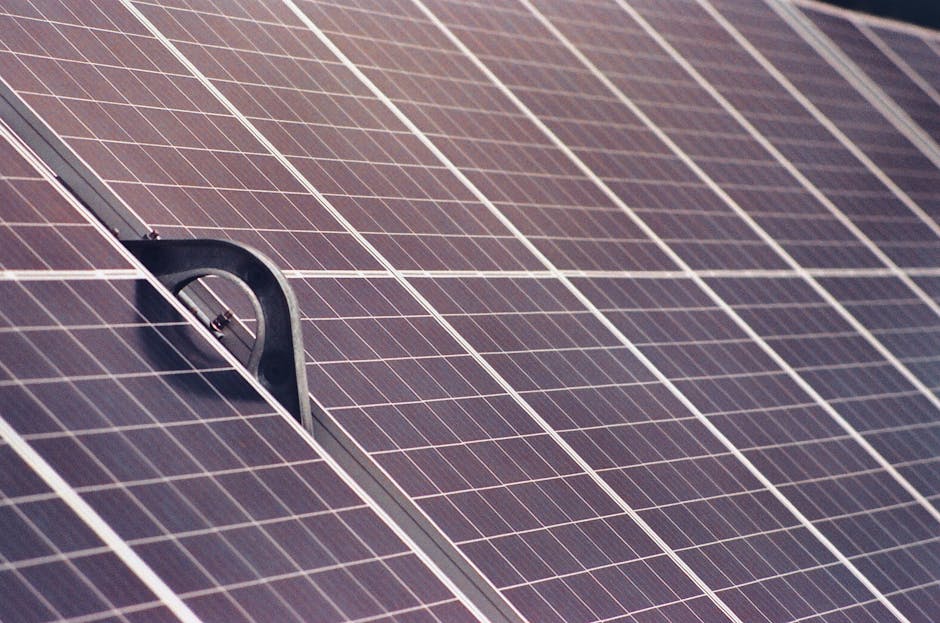
Solar panel output typically decreases 20–50% in winter compared to summer due to shorter daylight hours, lower sun angles, and cloud cover. However, cold weather can actually improve panel efficiency by 3–5%, making winter production more predictable in northern states with consistent clear days.
How Winter Affects Solar Panel Output
Winter solar panel efficiency is shaped by two competing forces that most homeowners don’t realize work in opposite directions. Reduced daylight hours and low sun angles cut energy production significantly — but colder ambient temperatures actually help photovoltaic cells operate closer to their rated output.
Standard Test Conditions (STC), the industry benchmark used to rate every solar panel sold in the U.S., are measured at 25°C (77°F). When panels overheat in summer — often reaching 65°C or higher on rooftops — output drops measurably due to the temperature coefficient of power, which typically runs between -0.3% and -0.5% per degree Celsius above STC. In a cold January in Minnesota, that same panel may operate at or above its rated wattage for every hour of sunlight it receives.
The net result is that solar production seasonal variation is more nuanced than a simple “less sun equals less power” story. According to the U.S. Department of Energy’s Office of Energy Efficiency and Renewable Energy, geographic location, panel tilt, and local weather patterns all interact to determine real-world winter performance — which is why state-level data matters so much when estimating your system’s annual output.
Do Solar Panels Work in Winter and Cold Weather?
Yes — solar panels work in winter and cold weather, often more efficiently per hour of sunlight than in summer. Snow can temporarily reduce output to near zero if it covers the panels, but most installations on pitched roofs shed snow within one to two days. States like Colorado, Utah, and New England frequently see strong winter production on clear, cold days because high-altitude or dry air reduces atmospheric scattering, increasing the intensity of direct beam radiation reaching the panel surface.
State-by-State Winter Solar Production Expectations
The table below shows estimated average daily solar production in winter (December–February) as a percentage of rated system capacity, compared to peak summer output. Data is derived from NREL’s National Solar Radiation Database (NSRDB) peak sun hour averages and typical system derate factors.
| State | Avg. Winter Peak Sun Hours/Day | Avg. Summer Peak Sun Hours/Day | Winter Output (% of Summer) | Cold Weather Efficiency Boost |
|---|---|---|---|---|
| Arizona | 5.5 | 7.5 | 73% | Low (mild winters) |
| California (Southern) | 4.9 | 7.0 | 70% | Low |
| Texas | 4.2 | 6.5 | 65% | Moderate |
| Colorado | 4.0 | 6.8 | 59% | High (clear, cold days) |
| New York | 2.8 | 5.5 | 51% | Moderate |
| Massachusetts | 2.6 | 5.2 | 50% | Moderate |
| Minnesota | 2.4 | 5.6 | 43% | High |
| Washington (State) | 1.8 | 5.3 | 34% | Low (frequent overcast) |
| Alaska | 0.9 | 5.8 | 16% | High (when sunny) |
| Florida | 4.5 | 6.0 | 75% | Minimal |
Methodology: Peak sun hour averages sourced from NREL’s NSRDB (nsrdb.nrel.gov) using 10-year TMY (Typical Meteorological Year) data. Winter output percentage calculated using December–February averages against June–August averages. Efficiency boost ratings reflect typical ambient temperature ranges and cloud cover frequency by region.
What State Has the Best Winter Solar Production?
Arizona leads the U.S. in cold weather solar performance, averaging 5.5 peak sun hours per day even in December — nearly matching its summer performance. Florida ranks second, benefiting from low latitude and consistent sunshine. Surprisingly, Colorado outperforms many coastal states in winter solar panel output due to its high elevation, dry air, and frequent clear-sky winter days that maximize the cold-temperature efficiency advantage.
Ready to see exactly what your system would produce this winter? Use our solar panel output calculator to enter your state, roof angle, and system size for a month-by-month production estimate.
Factors That Impact Winter Solar Performance
Understanding what drives solar production seasonal variation in your specific location helps you set accurate expectations and evaluate quotes more critically.
- Panel Tilt Angle: A steeper tilt (45–60°) captures more of the low winter sun angle than a flat or shallow installation. In northern states, proper tilt optimization can recover 10–15% of potential winter output.
- Shading and Horizon Obstructions: The sun travels a much lower arc across the sky in December than June. Trees or buildings that caused no summer shading may shade panels for several hours per day in winter.
- Panel Technology: Monocrystalline panels generally have better low-light performance than polycrystalline equivalents, making them a stronger choice in cloudy northern climates.
- Snow Accumulation: A full snow cover brings output to near zero. Dark-colored panels on a tilted roof typically self-clear within 24–48 hours after snowfall ends.
- Inverter Efficiency at Cold Temperatures: String inverters and microinverters perform differently in cold conditions. Review your inverter’s operating temperature range in the product datasheet.
Maximizing Solar Savings During Winter Months
Lower production doesn’t have to mean lower savings. Strategic energy management during winter can maintain strong ROI even in northern states.
Time-of-Use Rate Optimization: Many utilities charge peak rates in the early evening, after winter solar production has ended for the day. Shifting discretionary loads — dishwashers, laundry, EV charging — to midday when your system is producing maximizes the value of every kilowatt-hour.
Battery Storage: A home battery system stores excess midday winter production and dispatches it during evening peak rate windows. In states with net metering reductions, storage increasingly makes financial sense year-round.