How Weather Impacts Solar Panel Performance: 5 Essential Facts for 2026
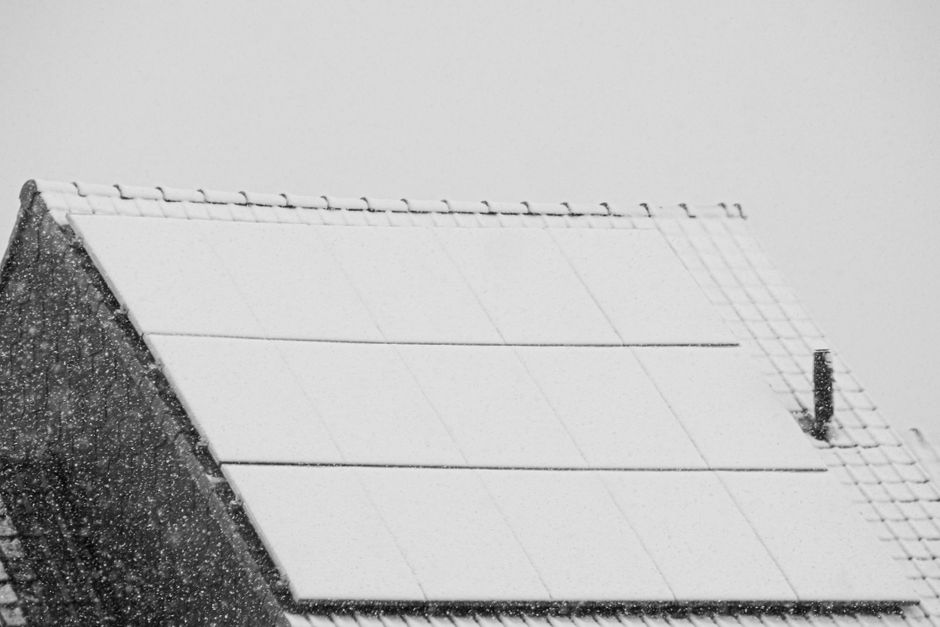
Weather significantly impacts solar panel performance. Rain can reduce efficiency by 10–25% by blocking sunlight, while snow completely blocks panels […]
Weather significantly impacts solar panel performance. Rain can reduce efficiency by 10–25% by blocking sunlight, while snow completely blocks panels […]
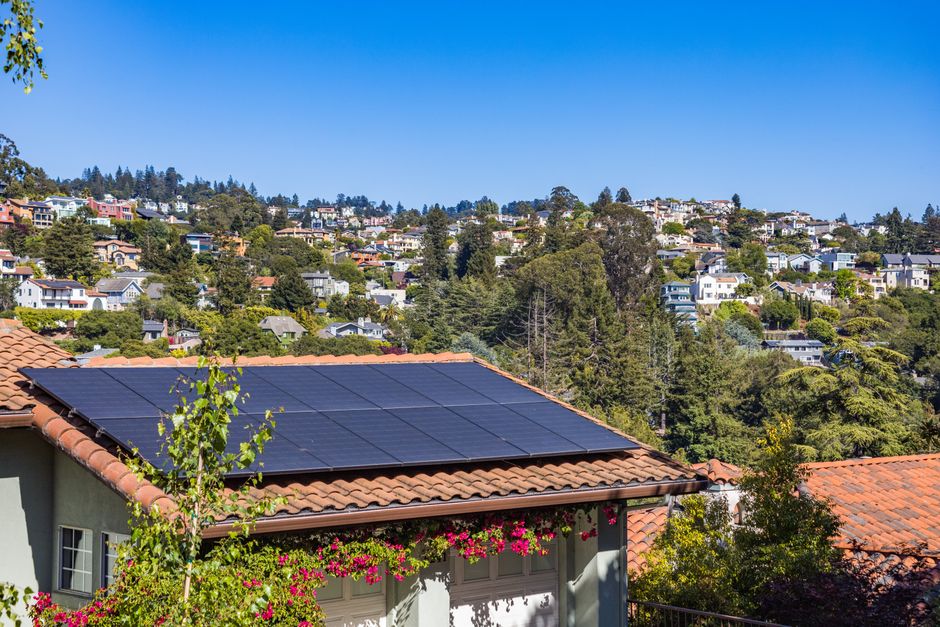
Solar incentives vary significantly by state in 2026. The 30% federal Residential Clean Energy Credit (Section 25D) expired on December
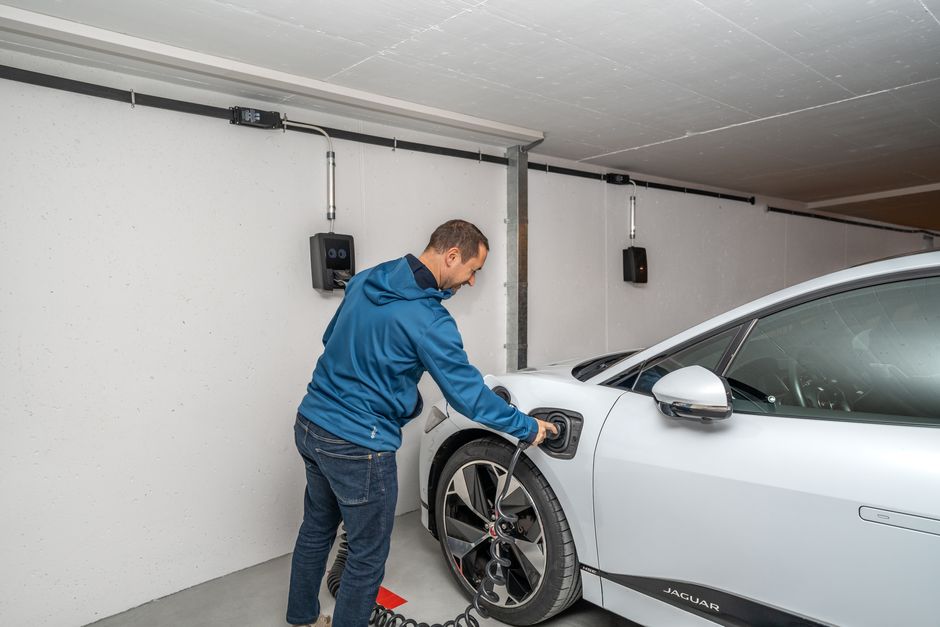
Full home electrification with solar typically costs $25,000–$50,000+ including a 6–10kW solar system ($15,000–$25,000), heat pump installation ($8,000–$15,000), and electric
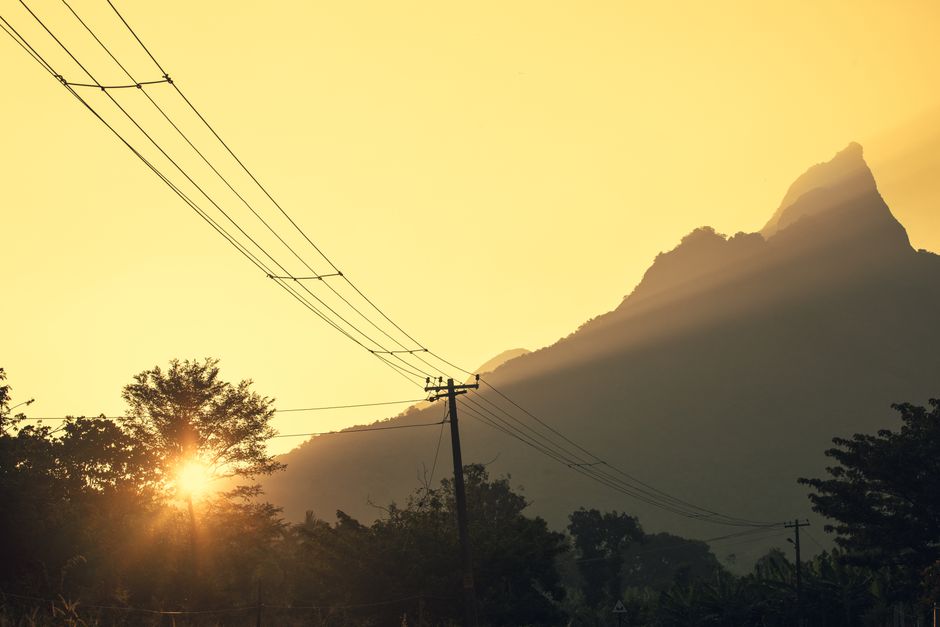
Peak sun hours represent the equivalent number of hours per day when solar irradiance averages 1,000 watts per square meter.

The best angle to mount solar panels is typically equal to your geographic latitude, or 15–35 degrees in most U.S.
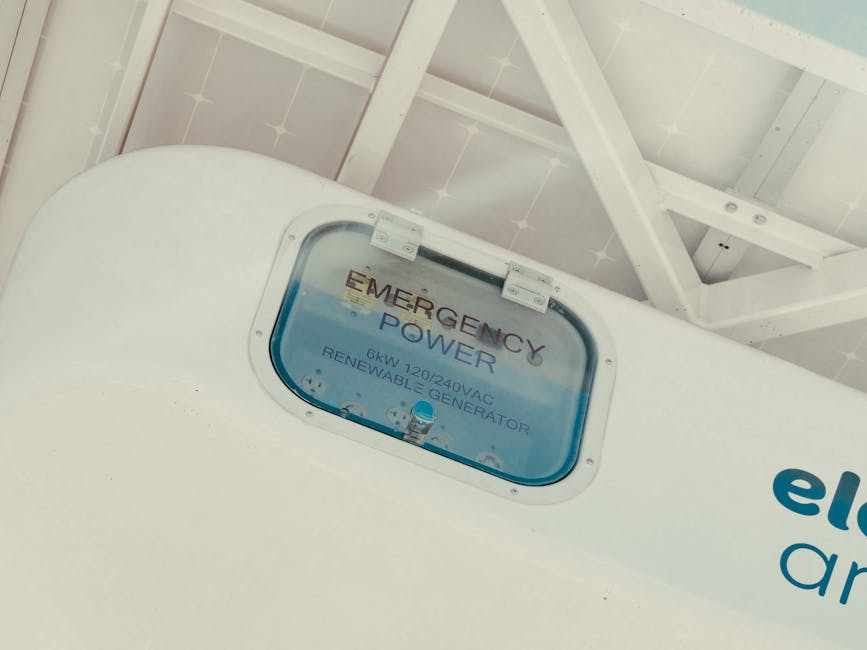
Solar battery backup systems typically cost $10,000–$20,000 installed, while whole-house generators run $7,000–$15,000. Batteries offer silent, zero-fuel operation; note the
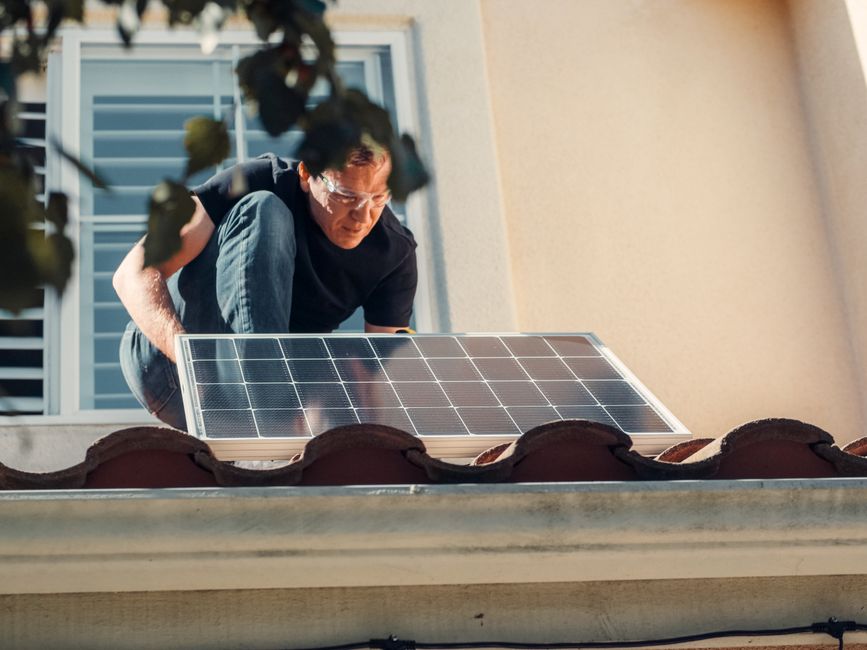
Solar installation does not automatically void your roof warranty if done properly. Professional installers use warranty-safe mounting techniques, and many
Solar panel output typically decreases 20–50% in winter compared to summer due to shorter daylight hours, lower sun angles, and
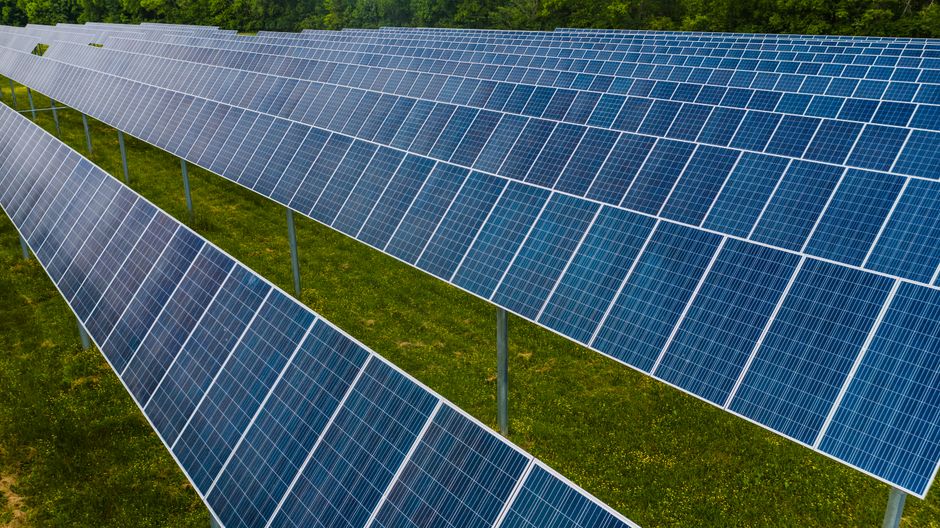
Solar panels in Pennsylvania typically cost $15,000–$25,000 before incentives for a residential system, averaging $2.50–$3.00 per watt after labor and
Solar panel insurance provides additional protection beyond standard homeowners policies, covering equipment damage, theft, and performance issues. Most homeowners need