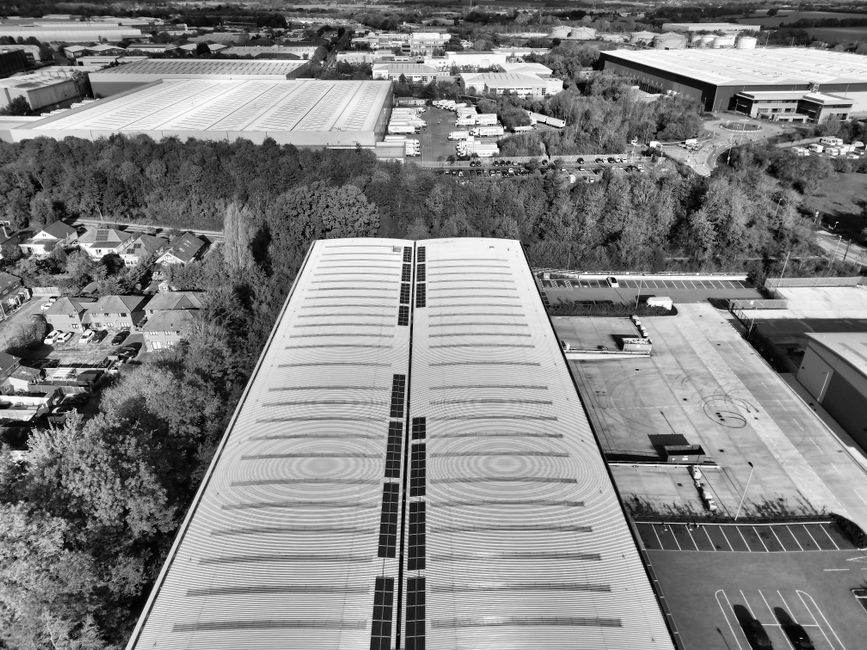
Solar panel roof load refers to the total weight that solar panels and mounting systems place on your roof structure. Most modern residential roofs can support 50 pounds per square foot, while typical solar installations add 2-4 pounds per square foot, making most homes suitable candidates for solar.
Understanding Solar Panel Roof Load Basics
Before you schedule a solar installation, understanding how structural weight capacity for solar panels works can save you time, money, and headaches. The term “roof load” encompasses several force types that engineers account for during assessment.
There are three primary load categories every solar homeowner should know:
- Dead load: The permanent, static weight of the solar panels, racking hardware, and mounting components themselves
- Live load: Temporary forces like snow accumulation, wind pressure, and foot traffic during maintenance
- Combined load: The total stress placed on roof framing when both dead and live loads act simultaneously
Standard residential roofing materials like asphalt shingles weigh roughly 2-4 pounds per square foot on their own. Add the existing structural framing, insulation, and decking, and many roofs are already carrying 10-15 pounds per square foot before a single panel is installed. Solar panels typically add 2-4 pounds per square foot, keeping total loads well within standard structural limits for most homes built after 1980.
How much weight can a residential roof support for solar panels?
Most residential roofs are engineered to handle a minimum dead load of 10-15 pounds per square foot and a live load of 20-40 pounds per square foot, depending on local snow and wind requirements. Combined, that gives a typical roof a total load capacity of 50 pounds per square foot or more. Since solar panel weight per square foot typically falls between 2 and 4 pounds, the average home has significant structural headroom remaining after installation.
However, older homes — particularly those built before 1970 — may have undersized rafters, compromised decking, or prior damage that reduces effective capacity. This is exactly why a professional structural evaluation is non-negotiable before installation begins.
Structural Assessment and Load Calculations
Accurate roof load bearing solar installation planning starts with a formal structural assessment. According to the U.S. Department of Energy’s Solar Energy Technologies Office, structural evaluations are a standard requirement before any grid-connected residential solar system is permitted.
What structural requirements do I need before installing solar panels?
You’ll typically need the following before installation can proceed:
- Structural engineering report: A licensed structural engineer reviews your roof framing plan and calculates whether existing members can handle the additional dead load. They’ll confirm rafter size, spacing, and span against local building code tables.
- Permit application: Most jurisdictions require a building permit that includes the engineering report and panel layout drawing. Installers submit these on your behalf.
- Roof condition inspection: An installer or roofer assesses the condition of decking, flashing, and existing shingles. A roof with less than 5-7 years of life remaining should be replaced before solar installation to avoid expensive removal and reinstallation costs later.
- Load path verification: Engineers trace how forces transfer from the panel through the racking, lag bolts, rafters, walls, and foundation. Every link in that chain must be adequate.
The standard calculation methodology used by engineers references ASCE 7 (Minimum Design Loads and Associated Criteria for Buildings and Other Structures), which establishes minimum load requirements based on geographic location. Snow load zones, wind speed maps, and seismic zones all influence the final structural calculation for your specific address.
As a practical reference: a typical 6 kW residential system covering roughly 400 square feet of roof adds approximately 800-1,600 pounds of total panel and racking weight. Spread across that area, the per-square-foot impact remains minimal — but the point loads at each lag bolt penetration must still be verified individually.
Roof Type Considerations and Weight Limits
Not all roofs respond equally to solar installations. Structural weight capacity for solar panels varies significantly depending on roof type, age, pitch, and framing material.
Asphalt shingle roofs (gabled or hipped): The most common residential roof type and generally the most solar-friendly. Standard rafter-framed roofs accept rail-based racking systems efficiently, with lag bolts anchoring directly into rafters at 48-72 inch intervals.
Flat or low-slope roofs: Common on commercial buildings and some modern homes. These require ballasted or mechanically attached racking systems. Ballasted systems use concrete blocks to hold panels in place without roof penetrations — but they add significant concentrated weight, often 5-10 pounds per square foot, requiring careful engineering review.
Metal roofs (standing seam or corrugated): Excellent candidates for solar because specialized clamps attach directly to the seams without drilling. This preserves the roof warranty and eliminates penetration risk. Metal roofs are also exceptionally durable, making them ideal long-term solar platforms.
Tile roofs (clay or concrete): Heavier than other roofing materials at 6-10 pounds per square foot for the tile alone. Installers typically remove individual tiles, install flashing and mounts on the decking below, then replace surrounding tiles. The additional solar load is usually still within limits, but engineering confirmation is especially important here.
Wood shake roofs: These present fire rating concerns in many jurisdictions and may require replacement before solar installation is permitted. Check local fire codes and HOA guidelines early in your planning process.
Installation Safety Requirements and Building Codes
Solar installations must comply with multiple overlapping code frameworks. Understanding these protects your investment and maximizes whatever incentives still apply. As of 2026, if you buy with cash or a loan, there is no federal tax credit — the 30% Residential Clean Energy Credit (§25D) expired for systems placed in service after December 31, 2025. State and local incentives may still apply, so a $25,000 system now nets $25,000 minus whatever your state offers.
Key standards governing roof load bearing solar installation include:
- International Building Code (IBC): Governs structural requirements for roof systems, including load combinations and rafter sizing tables
- International Residential Code (IRC): Applies specifically to one- and two-family dwellings and includes provisions for solar-ready construction
- NEC Article 690: The National Electrical Code section governing photovoltaic systems — not structural, but required for permit approval alongside structural documentation
- Local amendments: Many jurisdictions adopt modified versions of model codes, particularly in high-wind or high-seismic regions
According to Energy.gov’s residential solar guidance, working with installers who pull proper permits and submit engineering documentation protects homeowners from liability and ensures interconnection approval from the utility company.
One practical tip: request a copy of your structural engineering letter after installation. This document is valuable if you ever sell your home, refinance, or need to file an insurance claim involving your roof.
How to Use the Solar Estimator Calculator
Structural readiness is just one piece of the solar puzzle. Once you’ve confirmed your roof can handle the load, the next step is calculating your actual financial return. Use the Solar Estimator Pro payback calculator to input your local utility rates, available incentives, and estimated system size to see your projected ROI and payback period. It takes less than two minutes and gives you a data-driven starting point before you ever talk to an installer.