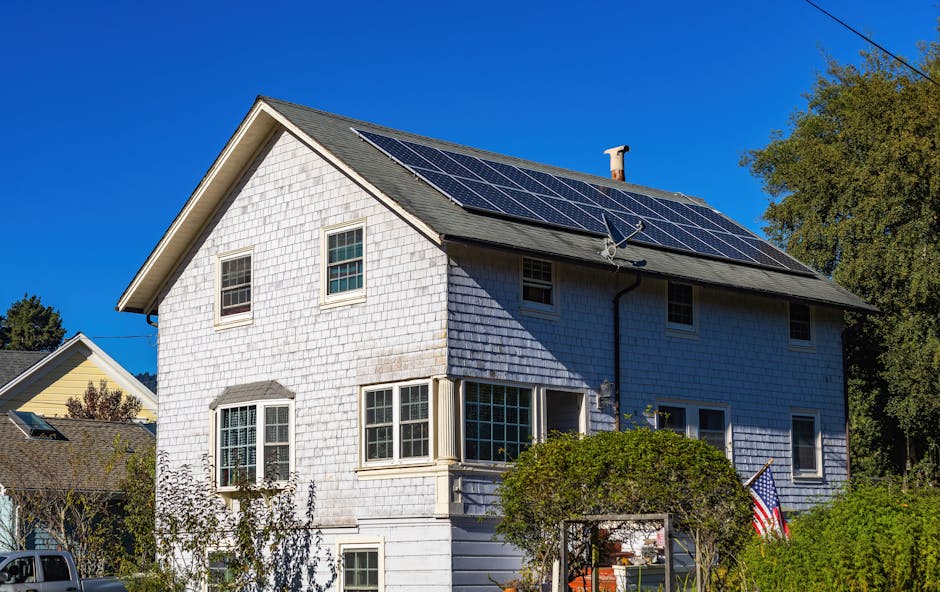
Most experts recommend replacing your roof if it’s over 15–20 years old before installing solar panels. Since solar panels last 25–30 years, installing them on an aging roof means costly removal and reinstallation later. A new roof ensures your solar investment is protected long-term.
How Old Is Too Old for a Roof Before Solar Installation
Roof age and solar panel installation timing go hand in hand. The general rule most installers follow is straightforward: if your roof has fewer than 10 years of useful life remaining, replace it before going solar. Here’s why that threshold matters so much.
Standard asphalt shingle roofs have a lifespan of 20–30 years. If your home is 18 years old and still has its original roof, you could be looking at a replacement within 5–10 years — right in the middle of your solar panels’ most productive years. Solar panel removal and reinstallation typically costs between $1,500 and $6,000, depending on system size and roofing complexity. That’s money you could have avoided spending entirely.
Can you put solar panels on an old roof?
Technically, yes — but it’s rarely advisable. Old roof solar panel compatibility depends on the roofing material, structural condition, and remaining lifespan. A certified roofing contractor can assess whether your roof can support the added weight (typically 2–4 lbs per square foot for solar panels) and if existing wear creates leak or structural risks. Most solar installers will actually decline installation on a roof they assess as failing, since they face liability for future damage.
According to the U.S. Department of Energy’s Solar Energy Technologies Office, homeowners should evaluate their roof’s condition as a critical first step before any solar investment. An inspection by a qualified roofing professional is the recommended starting point.
Cost Comparison: Roof Replacement vs. Solar Installation Timing
The financial logic here is compelling once you lay out the numbers side by side. Consider these two scenarios for a typical 2,000 sq. ft. home:
Scenario A — Replace roof first, then go solar:
Roof replacement cost: $8,000–$15,000
Solar installation cost: $18,000–$25,000
Total upfront: $26,000–$40,000 (with potential bundled contractor discounts)
Future removal/reinstall costs: $0
Scenario B — Install solar on aging roof now, replace later:
Solar installation cost: $18,000–$25,000
Future roof replacement + solar removal and reinstall: $12,000–$21,000
Total over system lifetime: $30,000–$46,000
When you factor in that solar panels reduce your utility bills from day one, delaying installation by 3–6 months for a roof replacement is usually the smarter long-term play. You’ll also preserve your warranty coverage — most solar panel manufacturers require a structurally sound roof as a condition of their product warranty.
How much does it cost to replace a roof before solar panels?
The national average for asphalt shingle roof replacement ranges from $5,700 to $16,000, with most homeowners paying around $8,500–$11,000 for a standard residential roof. Metal roofing, which is highly compatible with solar installations, runs $10,000–$20,000 but adds decades of lifespan. Many homeowners also discover that replacing a roof before solar installation timing allows them to negotiate bundled labor costs with contractors, reducing total project spend by 10–15%.
You should also account for available incentives. While the federal solar Investment Tax Credit (ITC) applies to solar equipment and installation, not roofing, some states and utility programs offer weatherization rebates that can offset roof improvement costs. Use our solar incentives calculator to identify programs available in your ZIP code before finalizing your project budget.
Signs Your Roof Needs Replacement Before Going Solar
Before you get solar quotes, walk through this checklist. Any of these conditions warrants a roofing inspection — and likely a replacement — before installation proceeds.
- Age over 20 years: Even if the roof looks fine from the ground, degraded underlayment and weakened fasteners may not support panel mounting hardware safely.
- Missing, curling, or cracked shingles: These are direct pathways for water infiltration, which becomes far harder to diagnose and fix once panels are mounted above.
- Granule loss in gutters: Heavy granule shedding means shingles are nearing end of life — typically within 2–5 years of full failure.
- Visible sagging or soft spots: Structural compromise must be addressed before adding any additional load to the roof deck.
- Interior water stains or attic moisture: Active leaks disqualify your roof from solar installation until fully remediated.
- Multiple previous repairs: Patch-over-patch roofing rarely holds up under solar mounting penetrations and warranties are often voided.
If your roof passes this checklist but is still 15–18 years old, request a professional structural assessment from a licensed roofing contractor before accepting any solar bids. Most reputable solar installers will coordinate this step as part of their site survey process.
Solar Panel Lifespan vs. Roof Lifespan: What You Need to Know
Understanding the lifespan mismatch is the core reason this decision matters so much financially. Modern solar panels are warrantied for 25 years and often produce electricity well past 30 years, with output degrading at approximately 0.5–0.8% per year according to published performance data from panel manufacturers and research consistent with DOE solar performance benchmarks.
Asphalt shingle roofs, by contrast, last 20–30 years under normal conditions. Metal roofing and tile roofing can exceed 40–50 years. The practical implication: if you install solar on a 15-year-old asphalt roof, you’re almost guaranteeing a mid-system roof replacement and the associated removal/reinstall cost within your panels’ productive lifetime.
Choosing a longer-life roofing material at replacement time — particularly standing seam metal — also improves old roof solar panel compatibility going forward. Solar racking systems attach cleanly to metal roofing without penetrations, reducing leak risk and simplifying future maintenance.
To understand how roof replacement timing affects your total solar ROI, our solar ROI calculator lets you input project costs in phases so you can model both scenarios before committing to a timeline.
How to Use the Solar Payback Calculator for This Decision
Roof replacement adds upfront cost but changes your payback period in ways that are easy to underestimate without running the numbers. Our solar payback period calculator is built specifically to help homeowners factor in variable upfront costs — including pre-installation roof work — so you see a realistic break-even timeline based on your local utility rates and available incentives. Enter your roof replacement estimate alongside your solar quote to get a side-by-side comparison of both project sequences.