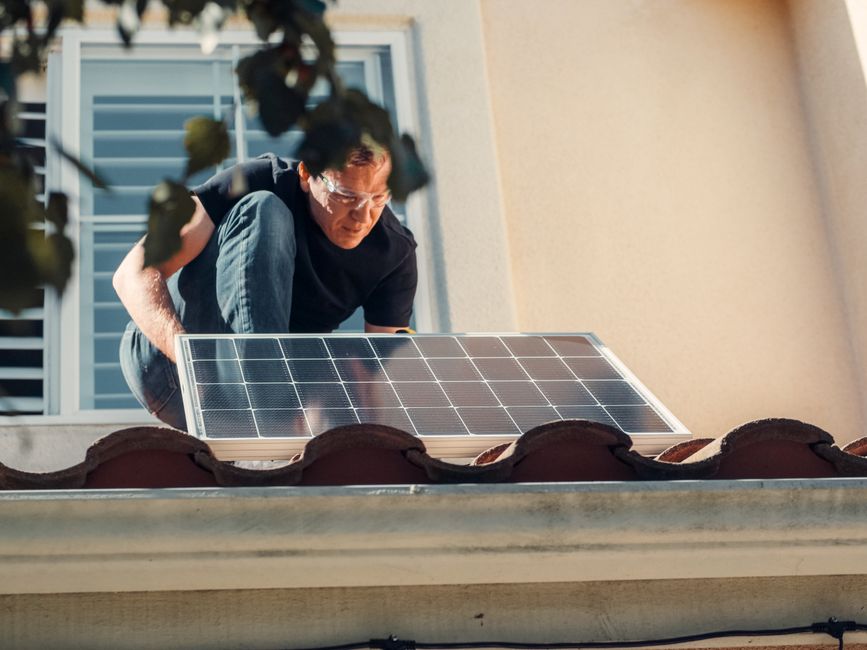
Solar installation does not automatically void your roof warranty if done properly. Professional installers use warranty-safe mounting techniques, and many solar companies offer additional roof warranties. Always verify with your roofer and installer before proceeding.
Does Solar Installation Void Your Roof Warranty?
This is one of the most common concerns homeowners raise before going solar — and understandably so. Your roof is a major investment, and the last thing you want is to lose warranty protection while trying to save on electricity costs.
The short answer: it depends on how the installation is performed and what your existing warranty says. Most manufacturer roof warranties cover defects in roofing materials themselves. They do not automatically cover third-party modifications — which is exactly how many warranty documents classify a solar panel installation. However, this does not mean your warranty disappears the moment panels go up.
According to the U.S. Department of Energy’s Solar Energy Technologies Office, professional installation using proper flashing and mounting hardware is the critical factor in maintaining roof integrity and warranty compliance. A sloppy installation with improper penetrations is far more likely to trigger a warranty dispute than a professionally executed one.
Key factors that determine warranty impact include:
- Whether your roofer approves of the installation method
- Whether the solar installer uses manufacturer-approved flashing and mounts
- Whether your roofing warranty is a workmanship warranty, material warranty, or both
- Whether the solar company offers a separate roof penetration warranty
Understanding Roof Warranties and Solar Panels
Before you sign a solar contract, it helps to understand the types of warranties typically covering your roof — and how each interacts with a solar installation.
Can You Put Solar Panels on a Roof With a Warranty?
Yes, in most cases you can. The critical step is reviewing the specific language in your existing roofing warranty before work begins. There are generally two warranty types to understand:
Material warranties are provided by roofing material manufacturers like GAF, Owens Corning, or CertainTeed. These cover shingle or tile defects — not installation workmanship. A solar installation that does not damage the materials themselves typically will not void this type of warranty, especially if your contractor uses the roofing manufacturer’s certified mounting accessories.
Workmanship warranties are issued by the roofing contractor who installed your roof. These cover the quality of their installation work. If a different company (your solar installer) makes penetrations into the roof, some roofers consider that a modification that voids their workmanship warranty. The solution is to involve your original roofer in the process or get written approval before proceeding.
Several major roofing manufacturers have developed solar-friendly certification programs. GAF, for example, has partnered with solar companies to offer combined roofing and solar warranties under a single system — a growing trend that makes roof warranty solar panels compatibility much simpler to manage in 2026.
How to Protect Your Roof Warranty During Solar Installation
How Do You Protect Your Roof Warranty When Installing Solar Panels?
Protecting your solar installation roof warranty comes down to documentation, communication, and choosing the right installer. Here are five concrete steps that make a real difference:
- Request your current warranty documents. Pull out the full terms of your roofing warranty before getting solar quotes. Know exactly what the modification and third-party contractor clauses say.
- Contact your roofing manufacturer directly. Ask whether solar installation voids your material warranty and whether they have approved mounting accessories or certified solar installers. Many manufacturers will issue a written statement that a properly executed installation does not void coverage.
- Notify your original roofer. If your roof is still under a workmanship warranty, reach out to the contractor. In some cases, having them perform or supervise the roof penetrations keeps the warranty intact.
- Verify your solar installer’s credentials. NABCEP-certified installers follow industry best practices for roof penetrations. Ask your installer specifically how they handle flashing and whether their method is approved by your roofing material manufacturer.
- Get solar roof warranty protection in writing. Many reputable solar installers now offer a separate roof leak warranty — typically 5 to 10 years — covering any water intrusion caused by their penetrations. This should be included in your contract.
Before calculating whether solar is worth the investment, it helps to understand your full cost picture. Use our solar payback period calculator to see how installation decisions — including roof preparation costs — affect your long-term return.
What Installers Do to Prevent Warranty Issues
Professional solar installers who care about solar installation warranty protection follow specific technical practices that minimize roof disruption. Understanding these methods helps you ask the right questions during the quoting process.
Flashed lag bolt mounts are the industry standard for asphalt shingle roofs. Installers remove a small section of shingles, drill lag bolts into rafters, apply roofing sealant, and install purpose-built flashing that directs water away from the penetration. When done correctly, this method meets or exceeds the waterproofing standard of the original roof installation.
Ballasted systems (common on flat commercial roofs) avoid penetrations entirely by using weighted racking. These are irrelevant to most residential asphalt or tile situations but eliminate the warranty concern completely.
Tile roofs require extra care. Installers typically remove and replace individual tiles around mount points, using tile replacement mounts or custom flashing kits designed for the specific tile profile. Improper tile roof installations are the most common cause of warranty disputes and leaks.
According to guidance from the U.S. Department of Energy, verifying that your installer pulls proper permits is also important — permitted installations are inspected, which provides an independent check on installation quality that can support your warranty claims if issues arise later.
Common Roof Warranty Concerns With Solar
Even with a professional installation, homeowners often have lingering questions about roof warranty solar panels situations. Here are the most common concerns:
What if my roof leaks after solar is installed? If the leak originates at a panel mount point, your solar company’s workmanship warranty should cover it. If it originates from unrelated roof damage, your roofing warranty applies. Document the leak location carefully — this determines who is responsible.
Does removing panels later void warranties? Panel removal for roof repairs is a normal service that most solar companies offer. Plan for removal costs when budgeting for roof replacement. Our roof and solar cost estimator can help you factor this into your total ownership cost.
Does solar affect my homeowner’s insurance? Solar panels typically increase your home’s insured value. Notify your insurer before installation to confirm coverage and avoid claim issues down the road.
Steps to Take Before Installing Solar Panels
A quick pre-installation checklist for roof warranty protection:
- Review your roofing material and workmanship warranty terms
- Contact both your roofing manufacturer and original contractor
- Confirm your solar installer uses approved mounting hardware
- Get roof penetration warranty terms in your solar contract
- Verify permits will be pulled for the installation
Handle these items before the panels go up and you will keep both your roofing warranty and your solar workmanship warranty fully intact for the life of the system.
What Happens to Your Roof Warranty When You Install Solar Panels?
Installing solar panels on your roof creates a critical question homeowners often overlook: does your existing roof warranty still protect you? The answer is more nuanced than a simple yes or no, and understanding the implications could save you thousands in unexpected repair costs.
Most traditional roof warranties become void or significantly reduced once solar panels are installed. This happens because:
- Penetration concerns u2013 Mounting hardware requires drilling through your roof, creating potential leak points that manufacturers won’t cover
- Access restrictions u2013 Solar panels prevent roofers from inspecting and maintaining the roof surface underneath
- Manufacturer liability u2013 Warranty providers exclude damage related to third-party installations and modifications
The real protection you need comes from a roof warranty extension or bridging document signed before installation. This document should clarify:
- Which warranty components remain valid during the solar system’s lifespan
- Who assumes responsibility for roof-related issues after solar installation
- What happens if you need roof repairs while panels are installed
- Coverage terms for water damage or leaks caused by solar mounting
Professional solar installers should provide a roof warranty assessment and gap coverage options as part of their proposal. Without this documentation, you’re essentially unprotected for roof-related issues occurring during the 25+ year lifespan of your solar panels.
Before signing any solar installation contract, request written confirmation of your roof warranty status from both your roofing contractor and solar provider. This single step prevents costly disputes and ensures you understand exactly what’s coveredu2014and what isn’tu2014for the decades ahead.