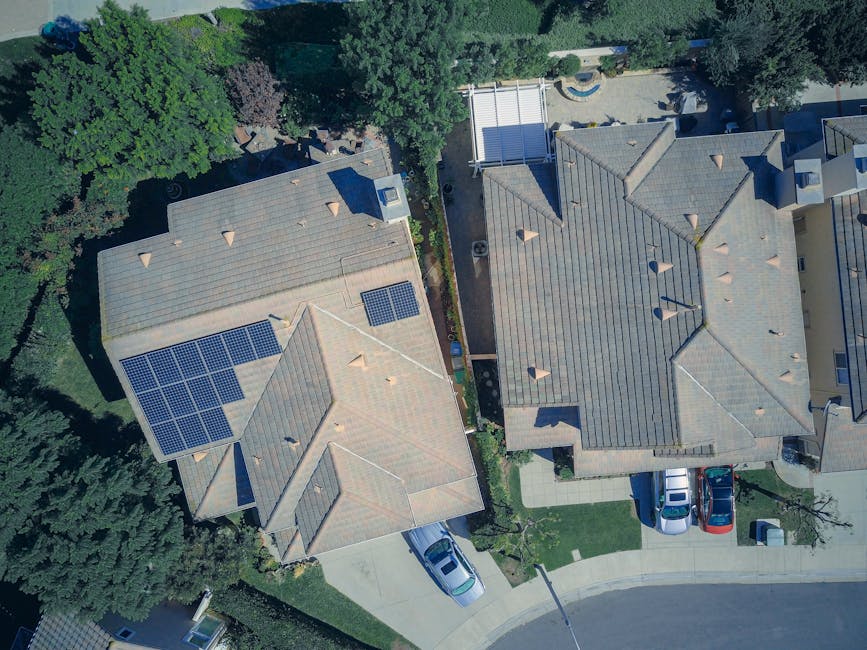
The best solar financing option depends on your upfront budget, tax situation, and long-term goals. Cash purchases offer maximum savings and 30% federal tax credits. Solar loans provide ownership without large down payments. Leases require no money down but limit tax incentives and resale value. Compare all three to determine which aligns with your financial priorities and electricity needs.
Understanding Solar Cash Purchases
Buying solar panels outright with cash remains the most financially advantageous option for homeowners with sufficient liquidity. When you own your system, you capture the full 30% federal Investment Tax Credit (ITC), which directly reduces your tax liability dollar-for-dollar. This incentive alone can recover $7,000 to $10,000 on an average residential installation.
Cash buyers also benefit from all state and local rebates, utility incentives, and solar renewable energy credits (SRECs) where available. Your system produces electricity at a fixed cost for 25+ years, protecting you from rising utility rates. The average homeowner sees payback periods of 5-7 years in high-cost utility regions, then enjoys 18+ years of essentially free electricity.
The primary drawback is accessibility. Most homeowners don’t have $15,000-$25,000 available immediately. Additionally, you’re responsible for maintenance, insurance, and any repairs after the manufacturer warranty expires (typically 10-12 years for labor coverage).
Solar Loans: Ownership Without the Upfront Cost
Solar loans allow homeowners to own their systems while spreading payments over 5-10 years. You still qualify for the 30% federal tax credit and most state incentives, making loans the second-most cost-effective option. Unlike leases, you build equity with every payment and can transfer the loan to a future home buyer if you move.
Most solar loans carry interest rates between 4-8%, depending on your credit score and the lender. When comparing loan offers, focus on the total interest paid over the loan term, not just the monthly payment. A homeowner financing $20,000 at 6% over 10 years pays approximately $6,500 in interest, while the same loan at 5% costs $5,360—a meaningful difference.
Solar loans work exceptionally well when your monthly loan payment is lower than your current electricity bill. Many homeowners achieve “day-one positive cash flow,” meaning they save money immediately despite having a loan payment. This is particularly true in states with high utility rates like California, Massachusetts, and Hawaii.
Solar Leases: Minimal Upfront Investment
Solar leases require no money down and no ownership responsibilities. A third-party company installs and maintains the system, and you pay a fixed monthly fee (typically $100-$300) for the electricity generated. This option appeals to homeowners with limited capital or those hesitant about long-term commitments.
However, leases come with significant trade-offs. You cannot claim the 30% federal tax credit—the leasing company captures those savings instead. You also forfeit most state rebates and SRECs. This means your monthly payments remain your primary benefit, typically resulting in 10-20% electricity savings compared to standard utility rates.
Leases also complicate home sales. Potential buyers must assume the lease contract, and many lenders view existing solar leases as liabilities rather than assets. Lease terms typically last 20-25 years, potentially outlasting your mortgage, and you’ll have no equity or asset to show at lease end.
How to Use the Calculator
Making an informed decision requires running the numbers specific to your situation. Our solar ROI calculator compares all three financing options side-by-side using your local electricity rates, system size, and incentive programs. Enter your current electricity bill and address, and the tool generates a detailed 25-year projection showing total savings for each option.
You can also use our solar loan payback calculator to explore different interest rates and loan terms, helping you understand how interest impacts your true cost of ownership. Finally, our solar savings estimator accounts for rising utility rates in your region, giving you the most accurate long-term picture.
Frequently Asked Questions
Which financing option offers the fastest payback period?
Cash purchases typically achieve payback in 5-7 years in high-rate regions, followed closely by solar loans at 6-8 years. Leases rarely achieve traditional payback since you never own the asset—instead, you accumulate savings over the lease term. However, the fastest payback isn’t always the best option if it doesn’t align with your cash flow situation. A loan with 8-year payback may be smarter than draining savings needed for emergencies or investments.
Can I still get tax credits with a solar loan?
Yes. When you finance with a solar loan, you own the system immediately and qualify for the 30% federal ITC in the year of installation. Additionally, you’re eligible for state tax credits, rebates, and SRECs (where applicable). This is a major advantage over leases, where the leasing company claims all tax incentives. Make sure your lender structures the loan as a true ownership agreement, not a lease-to-own arrangement.
What happens to my solar lease if I sell my house?
You have three options: assume the lease remains on the property, the buyer assumes the lease, or you pay an early termination fee (typically $3,000-$8,000). Many buyers avoid homes with solar leases because they’re reluctant to take on unfamiliar contracts with 15+ years remaining. This can make your home less attractive and harder to sell at competitive prices. Cash purchases and loans don’t create this burden since you own or control the equipment.
The Bottom Line: If you have available capital and strong credit, a cash purchase maximizes long-term savings and tax benefits. Solar loans offer the best balance of ownership, tax incentives, and manageable monthly payments for most homeowners. Leases work only if you prioritize simplicity over savings and have no intention of moving. Use our calculators to run scenarios specific to your utility rates and financial situation—the numbers tell the real story of which option works best for your home in 2026.
- Solar Panel Installation Kit — Readers evaluating cash purchases need equipment information to understand total costs and what’s included in solar installations
- Home Energy Monitor — Essential for homeowners who’ve financed solar to track savings and ROI, helping validate their financing decision
- Solar Tax Credit & Financing Guide Book — Directly supports the post’s focus on tax situations and financing options by providing detailed IRS credit information for informed decision-making