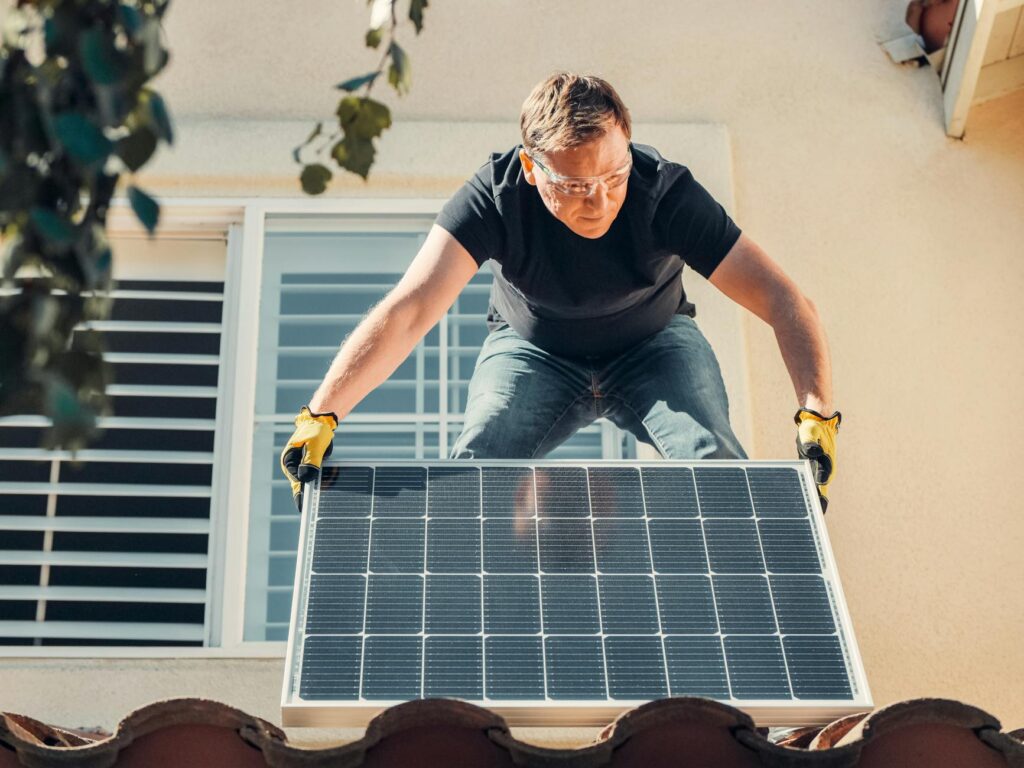
Solar Panel Cost: A Complete 2024 Guide to Pricing and Savings
When homeowners consider switching to solar energy, the first question is almost always about cost. Understanding solar panel pricing has become essential as more households explore renewable energy options. The average cost of residential solar panels ranges from $15,000 to $25,000 before incentives, though this figure varies significantly based on location, system size, equipment quality, and installation complexity. This comprehensive guide breaks down every factor that influences solar panel costs so you can make an informed decision about whether solar is right for your home.
Understanding the Total Cost of Solar Installation
Solar panel costs are not limited to the panels themselves. A complete solar installation includes several components: photovoltaic (PV) panels, inverters, mounting hardware, electrical wiring, and labor. The panels typically represent 25 to 35 percent of your total system cost, while labor accounts for 10 to 15 percent. Inverters, which convert DC electricity to usable AC power, cost between $3,000 and $6,000. Permit fees, inspections, and interconnection costs add another $1,000 to $3,000 to your project.
The average cost per watt for residential solar systems has dropped dramatically over the past decade, from $7.50 per watt in 2010 to approximately $2.50 to $3.50 per watt in 2024. A typical 6-kilowatt residential system, which is common for suburban homes, costs between $15,000 and $21,000 before the federal Investment Tax Credit (ITC). System size depends on your home’s energy consumption, roof space, and local sunlight availability. Understanding these baseline costs helps you compare quotes from different solar installers.
Factors That Affect Your Solar Panel Cost
Several variables influence the final price you’ll pay for solar panels. Location is one of the most significant factors—solar installations in California, Texas, and Florida typically cost less than in northern states due to competition and local market saturation. However, northern homes often need larger systems because shorter daylight hours require more panels to generate equivalent electricity.
Roof condition and age matter considerably. A newer roof in good condition will lower installation costs, while an older roof requiring repairs or replacement before solar installation adds $3,000 to $8,000 to your project. Roof pitch, material (asphalt shingles versus metal, for example), and structural integrity all affect labor intensity and overall expenses.
Panel efficiency and brand influence pricing as well. Premium brands like SunPower and LG produce higher-efficiency panels that cost 15 to 25 percent more than standard alternatives but generate more electricity per square foot. Budget-friendly brands from manufacturers like Canadian Solar or Trina offer lower upfront costs but slightly lower efficiency ratings. Most homeowners benefit from mid-range panels that balance cost and performance.
System size directly correlates with total cost. A 5-kilowatt system costs less than an 8-kilowatt system, but larger systems produce more electricity and may offer better long-term savings. Your household’s monthly electricity usage, measured in kilowatt-hours (kWh), determines ideal system size. Most U.S. homes use between 800 and 1,200 kWh monthly, requiring 5- to 8-kilowatt systems.
Federal Tax Credits and Local Incentives
The federal Investment Tax Credit (ITC) allows you to deduct 30 percent of your total solar installation cost from your federal income taxes. This incentive applies through December 31, 2032, making it one of the most valuable financial benefits available today. If your system costs $18,000, the ITC provides a $5,400 tax credit, effectively reducing your out-of-pocket cost to $12,600.
Beyond the federal tax credit, many states and utilities offer additional incentives. Net metering programs credit you for excess electricity your system produces and feeds back to the grid, potentially reducing your electricity bills by 20 to 30 percent annually. Some states provide rebates, tax deductions, or performance-based incentives that can reduce costs another $1,000 to $4,000. Research your state’s solar incentive programs on the Database of State Incentives for Renewables and Efficiency (DSIRE) website to identify all available benefits.
Financing options also affect your true cost. Cash purchases eliminate interest costs but require significant upfront capital. Solar loans spread payments over 5 to 10 years with interest rates typically between 3 and 8 percent. Solar leases and power purchase agreements (PPAs) require no money down but offer lower long-term savings because you don’t own the system and can’t claim the federal tax credit.
Calculating Your Long-Term Solar Savings
Solar panel cost becomes meaningful only when compared against savings over time. Most residential solar systems generate electricity for 25 to 30 years, the typical manufacturer warranty period. A system that costs $15,000 after federal tax credits and produces $400 in electricity monthly saves approximately $120,000 over its lifetime, assuming 3 percent annual electricity rate increases.
Your payback period—the time required for savings to equal your initial investment—typically ranges from 6 to 12 years. In high-electricity-cost states like California, Hawaii, and Massachusetts, payback periods are often 5 to 7 years. In lower-cost states, payback extends to 10 to 15 years. After payback, you enjoy free or nearly free electricity for the remainder of your system’s lifespan.
Additional financial benefits include increased home value. Studies show that homes with solar panels sell for 3 to 4 percent more than comparable homes without solar. Protection against electricity rate increases represents another advantage—as utility rates rise (averaging 2 to 3 percent annually), your locked-in solar electricity costs remain constant.
Comparing Solar Quotes and Choosing an Installer
Obtaining quotes from multiple installers is essential for finding the best value. Request detailed written estimates that include system size (measured in kilowatts), panel specifications, inverter type, balance-of-system components, labor costs, and warranty terms. Reliable installers provide itemized quotes showing each cost category rather than lump-sum pricing.
Installer experience and credentials matter significantly. Choose companies certified by the North American Board of Certified Energy Practitioners (NABCEP) or other recognized organizations. Read customer reviews on independent sites like Google, Trustpilot, and the Better Business Bureau. Compare warranties carefully—most reputable installers offer 10-year workmanship warranties and partner with manufacturers providing 25-year equipment warranties.
When comparing quotes, pay attention to system specifications rather than price alone. A cheaper quote might include lower-efficiency panels or use a less reliable inverter brand. Consider the company’s reputation for customer service, as issues during the 6- to 12-month installation period or afterward require responsive, professional support.
Frequently Asked Questions
What is the average cost of solar panels for a typical home?
The average cost for a residential solar system ranges from $15,000 to $25,000 before incentives, with most systems averaging $18,000 to $21,000. This typically represents a 6-kilowatt system suitable for a home using 900 to 1,200 kWh monthly. After applying the 30 percent federal tax credit, your net cost would be approximately $10,500 to $14,700.
How long does it take to break even on a solar investment?
Payback periods typically range from 6 to 12 years depending on your location, electricity rates, system size, and financing method. States with higher electricity costs like California achieve payback in 5 to 7 years, while lower-cost states may require 12 to 15 years. After payback, you generate essentially free electricity for another 15 to 20 years.
Can I finance solar panels instead of paying cash?
Yes, solar loans, leases, and power purchase agreements (PPAs) offer alternatives to cash purchases. Solar loans allow you to own the system and claim the federal tax credit while spreading payments over 5 to 10 years at interest rates between 3 and 8 percent. Leases and PPAs require no money down but provide lower overall savings since you don’t own the system.
What is included in the total cost of solar installation?
Total costs include photovoltaic panels (25 to 35 percent), inverters ($3,000 to $6,000), mounting hardware, electrical components, labor (10 to 15 percent), permits and inspections ($1,000 to $3,000), and interconnection fees. Professional installation is critical for system safety, performance, and warranty validity.
Are there additional incentives beyond the federal tax credit?
Many states offer additional rebates, tax deductions, net metering credits, or performance-based incentives ranging from $1,000 to $4,000. Check DSIRE (Database of State Incentives for Renewables and Efficiency) to find specific incentives available in your state. Your solar installer can often help identify all applicable local and state programs.
Use Our Free Solar Savings Calculator
Understanding solar panel costs is the first step toward a cleaner energy future. Every home’s situation is unique, and calculating your specific costs and potential savings requires analyzing your location, roof characteristics, energy usage, and local incentives. Head to our free solar savings calculator at solarestimatorpro.com to instantly generate a personalized cost and savings estimate. Our calculator provides specific dollar amounts for your system cost after incentives, projected annual electricity savings, payback timeline, and 25-year financial benefits. This free analysis takes just minutes and gives you the data needed to make a confident solar investment decision. Try it today and discover exactly how much you could save with solar energy.
Conclusion
Solar panel costs have become increasingly affordable and accessible to homeowners nationwide. While initial investment ranges from $15,000 to $25,000, federal tax credits, state incentives, and long-term electricity savings make solar an economically sound choice for most households. By understanding cost factors, comparing multiple quotes, and calculating your specific savings
- Renogy 100W 12V Monocrystalline Solar Panel — Direct product match for homeowners researching solar panel costs and considering DIY or starter solar solutions
- EnergySage Solar Marketplace — Affiliate program offering solar quotes and installation referrals that directly complements cost estimation content
- Tesla Powerwall Home Battery Storage — Complements solar panel investment by offering energy storage solutions that maximize savings from solar systems
Related: How Dynamic Electricity Pricing Benefits Solar Panel Owners in California
Related: Home Solar Cost: Complete Guide to Pricing, Factors, and Savings in 2024