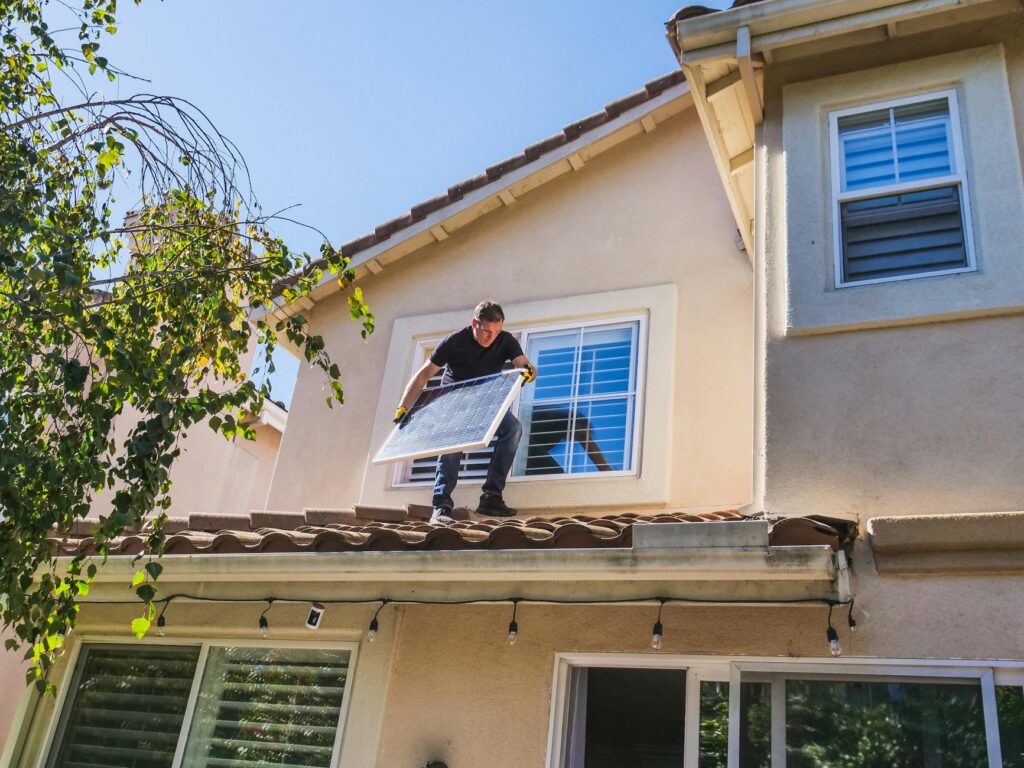
Installing solar panels during a home renovation can reduce your overall project costs by 20-30% compared to standalone solar installation. By coordinating electrical work, roof access, and permits with your renovation timeline, you’ll streamline labor, avoid duplicate expenses, and potentially qualify for combined incentive programs that boost your ROI significantly.
Coordinate Timing With Roof Work and Electrical Systems
The single biggest advantage of pairing solar with home renovation is roof access. If your renovation includes roof replacement, reroof inspection, or structural work, scheduling solar installation during this phase eliminates the need for separate roof penetration and re-flashing later. This coordination saves thousands in labor costs.
Work with both your general contractor and solar installer to create a unified timeline. Ideally, have your solar company conduct a site assessment before renovation begins so they understand your roof condition, structural capacity, and electrical panel location. If roof work happens first, schedule solar installation immediately after to maximize the efficiency window.
Electrical coordination is equally important. Major renovations often include electrical panel upgrades or rewiring. If your panel is being replaced anyway, the solar installer can integrate the DC disconnect, inverter connections, and meter setup into the broader electrical work. This prevents the costly scenario of having electricians return multiple times for separate projects.
Notify your utility company early about both the renovation and solar plans. Some utilities offer accelerated interconnection timelines for projects with coordinated electrical work, which can speed up your system’s activation by weeks.
Bundle Permits and Inspections to Reduce Soft Costs
Soft costs—permitting, inspections, engineering reviews, and administrative fees—typically represent 20-25% of a standalone solar installation. Bundling these with home renovation permits can reduce this burden significantly.
Request that your general contractor and solar installer coordinate all permits through a single review process. Many municipalities fast-track combined applications since the electrical and structural work has already been approved as part of the renovation. This can save 4-8 weeks and reduce permitting fees by 30-50%.
Engineering reviews are also streamlined when coordinated. If your structural engineer is already evaluating roof load capacity for renovation work, they can simultaneously certify the roof for solar panel installation. Similarly, if your electrician is pulling permits for new circuits or panel upgrades, solar interconnection can be included in the same inspection cycle.
During renovation, document everything with photos and original work orders. When your solar installer arrives, having clear records of roof condition, electrical work completed, and any structural modifications prevents disputes and eliminates repeat inspections.
Maximize Financial Incentives and Tax Credits
Installing solar during renovation opens access to stacked incentives that aren’t available otherwise. The federal Investment Tax Credit (ITC) covered 30% of system costs through the end of 2025, but the One Big Beautiful Bill Act ended it for residential systems installed in 2026—state and local programs may still apply.
Some states and municipalities offer renovation-specific solar rebates or property tax exemptions for systems installed as part of comprehensive home improvements. New Jersey, for example, provides enhanced rebates when solar is part of energy efficiency upgrades. California’s Property-Assessed Clean Energy (PACE) financing often works better for combined projects because the overall property improvement value justifies faster approval.
If you’re financing renovation through a construction loan or renovation-specific mortgage (like FHA 203k), adding solar to the renovation scope allows you to finance the system as part of the home improvement rather than as a separate debt. This often results in better interest rates since solar is viewed as increasing home value.
Consult with a tax professional before installation. If your renovation and solar project span two tax years, you may be able to accelerate the solar ITC in the year with higher income. Additionally, the combination of depreciation allowances for renovations and solar credits can create significant tax advantages for business owners or rental property investors.
How to Use the Calculator
To see exactly how much you’ll save by coordinating solar with your renovation, use our solar ROI calculator. Input your current electricity rates, planned renovation timeline, and existing roof condition. The calculator will show you the cost difference between standalone solar and renovation-integrated installation, plus your payback period based on local utility rates and current federal tax incentives. This personalized estimate helps you make timing decisions with confidence.
Frequently Asked Questions
Should I wait to do my roof replacement and solar installation together?
Yes, if your roof is more than 15 years old or showing signs of wear. Solar panels typically last 25-30 years, and installing them on a roof nearing end-of-life means removing and reinstalling the system during reroof, which costs $3,000-$5,000. However, if your roof is in good condition and you need solar now, don’t delay—the federal tax credit could change, and electricity rates continue rising. Through the end of 2025 the 30% ITC often outweighed the cost of future panel removal and reinstallation, but that federal credit ended for residential systems installed in 2026.
Can I finance solar installation as part of my renovation loan?
Yes, most renovation lenders allow solar to be included in the improvement scope. FHA 203k loans and construction loans can both cover solar systems. This is advantageous because renovation loan rates are often lower than dedicated solar loans, and the entire project is approved as one unit. Work with your lender and solar installer to ensure the system is approved before financing closes. Some lenders require equipment quotes and engineering approval upfront.
What if my renovation and solar installation timelines don’t align perfectly?
Prioritize roof work first. Even if electrical work occurs later, scheduling solar installation immediately after roof completion ensures your roof won’t be disturbed again. If electrical work must happen first, ensure the solar company can access the roof for installation within 30 days. Communicate delays to your utility company—interconnection timelines can shift if installation doesn’t occur within expected windows. Most utilities allow 90-day installation windows after permits are finalized.