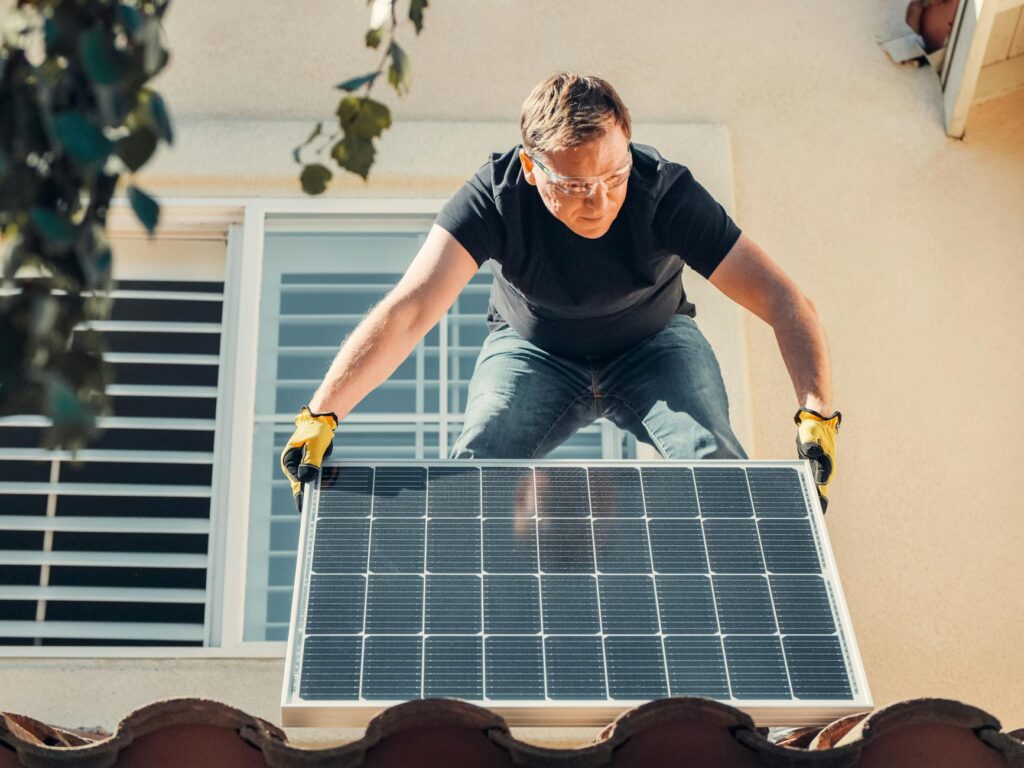
How Much Do Solar Panels Cost? A 2024 Guide to Pricing, Factors & Savings
Solar panel costs have dropped dramatically over the past decade, making residential solar energy more affordable than ever. In 2024, homeowners can expect to pay between $15,000 and $25,000 for a typical 5-kilowatt (kW) residential solar installation before incentives. After accounting for the federal Investment Tax Credit (ITC), which currently covers 30% of installation costs, that figure drops to roughly $10,500 to $17,500 out of pocket.
Understanding solar panel costs is essential before making the investment. The final price depends on numerous factors including your location, roof condition, system size, equipment quality, and local labor rates. This comprehensive guide walks you through everything you need to know about solar panel pricing, what influences those costs, and how to estimate your potential savings.
Current Average Solar Panel Costs in 2024
The cost of solar panels has become increasingly competitive over recent years. According to industry data, the average price per watt for residential solar installations ranges from $2.50 to $3.50 per watt before incentives. For a 5 kW system, this translates to $12,500 to $17,500 in equipment and labor costs alone.
However, these figures vary significantly by region. California, Texas, and Florida typically have more competitive pricing due to higher installation volumes and established supply chains. States with less developed solar markets may see prices 10 to 20% higher. Urban areas generally cost more than rural locations, and states with strong solar incentives often attract more installers, driving prices down through competition.
It’s important to note that “solar panel cost” encompasses more than just the panels themselves. The total expense includes inverters, mounting hardware, wiring, permits, inspection fees, and labor. Panels typically represent only 25 to 35% of the total system cost, with the balance split between electrical components, installation labor, and permitting.
Key Factors That Influence Solar Panel Pricing
System Size and Energy Needs: Larger systems cost more in absolute dollars but often cost less per watt. A 3 kW system might cost $3.25 per watt, while a 10 kW system might average $2.75 per watt due to economies of scale. Your system size depends on your annual electricity consumption and roof space available.
Equipment Quality and Brands: Premium panel manufacturers like SunPower and Panasonic charge 15 to 25% more than budget brands but offer superior efficiency and longer warranties. Budget-friendly options from brands like Canadian Solar or Trina still provide excellent reliability at lower price points. The inverter choice also matters—string inverters cost $2,000 to $3,000, while microinverters run $3,500 to $5,000 but offer better performance in partially shaded conditions.
Roof Condition and Complexity: Simple roof installations with good sun exposure cost significantly less than complex roofs requiring reinforcement, multiple sections, or difficult orientations. If your roof needs replacement, that expense (typically $8,000 to $15,000) falls outside the solar installation cost, though some installers offer integrated solutions.
Geographic Location: Labor costs, permitting fees, and local incentives create substantial regional variation. Hawaii and Massachusetts have among the highest costs per watt due to shipping and market factors. Mid-Atlantic and Southeast states often offer competitive pricing. Solar irradiance also matters—sunnier regions require smaller systems to achieve the same energy production, lowering total cost.
Installer Selection: Choosing a local, experienced installer often yields better pricing than national companies. Get quotes from at least three installers in your area. Installer reputation, warranty offerings, and post-installation service should weigh equally with price in your decision.
Breaking Down the Cost Components
Understanding where your money goes helps explain pricing differences. In a typical $20,000 5 kW system, costs typically break down as follows: solar panels account for $5,000 to $7,000 (25-35%), inverters and electrical equipment cost $3,500 to $5,000 (17-25%), mounting and balance-of-system components total $2,000 to $3,000 (10-15%), permitting and inspections run $500 to $2,000 (2.5-10%), and installation labor comprises $4,000 to $6,000 (20-30%).
Additional soft costs like customer acquisition, engineering, and design add 15 to 25% to the final price. This is why larger national installers sometimes cost more than local companies—their overhead expenses are higher. Conversely, financing options offered by installers add interest costs that should be calculated into your total investment.
Federal Tax Credits, Incentives, and Financing Options
The federal Investment Tax Credit (ITC) is the single largest incentive for residential solar. Currently at 30%, it applies to your total system cost including equipment and installation. For a $20,000 system, you’d receive a $6,000 tax credit, reducing your net cost to $14,000. This credit remains at 30% through 2032, then gradually declines to 22% by 2035.
Many states and utilities offer additional incentives. Solar Renewable Energy Credits (SRECs), available in states like New Jersey, Pennsylvania, and Massachusetts, can provide $1,000 to $5,000 in additional value. Some utilities offer rebates of $500 to $2,000. Research your specific state and local incentives through the Database of State Incentives for Renewables and Efficiency (DSIRE).
Financing options significantly impact affordability. Solar loans allow you to pay nothing upfront and start saving immediately after installation. Leases and power purchase agreements (PPAs) require zero down but involve monthly payments and allow the company to claim the ITC. Home Equity Lines of Credit (HELOCs) offer low interest rates if you have substantial home equity. Cash purchases eliminate interest costs but require large upfront capital.
How to Estimate Your Personal Solar Panel Costs
Start by analyzing your electricity bills from the past 12 months. Add up your total kilowatt-hours (kWh) consumed. A typical home uses 10,000 to 12,000 kWh annually. Divide this number by your location’s average daily peak sun hours—typically 4 to 6 hours depending on geography. This calculation determines your required system size in kilowatts.
Once you know your system size, multiply by the per-watt cost for your region ($2.50 to $3.50). Add a 15% buffer for soft costs. From this total, subtract the 30% federal tax credit and any available state incentives. Use our free solar savings calculator to input your zip code, electricity usage, and roof characteristics for a personalized estimate within seconds.
Get multiple quotes from licensed installers in your area. Each quote should itemize equipment, labor, permitting, and financing options clearly. Comparing detailed quotes helps you understand which installers offer the best value, not just the lowest price. Request references and verify contractor licensing through your state.
Long-Term Savings and Return on Investment
While upfront costs matter, long-term savings determine whether solar is worthwhile. A typical 5 kW system produces about 6,000 to 8,000 kWh annually, depending on location. At the average U.S. electricity rate of $0.14 per kWh, that represents $840 to $1,120 in annual savings. Over a 25-year system lifespan, total savings reach $21,000 to $28,000.
Your payback period—the time to recover your initial investment through electricity savings—typically ranges from 6 to 12 years. After that, you’re generating essentially free electricity for the remaining system lifetime. Homes with solar panels also sell for more and spend less time on the market, adding another financial benefit.
These calculations assume modest electricity rate increases of 2% annually, which historically exceeds actual inflation. As electricity rates rise, your savings accelerate dramatically. Homes in high-cost electricity states like California, Massachusetts, and Hawaii see payback periods as short as 4 to 6 years.
Frequently Asked Questions
What is the average cost of a solar panel system?
The average cost for a 5 kW residential solar system is $15,000 to $25,000 before incentives, or roughly $2.50 to $3.50 per watt. After applying the 30% federal ITC, most homeowners pay $10,500 to $17,500 out of pocket. Costs vary by region, system size, equipment quality, and installer selection.
Does the 30% federal tax credit reduce the upfront cost?
No, the federal ITC reduces your tax liability rather than upfront costs. You pay the full installation price but claim 30% as a tax credit on your next tax return or future returns if your liability is lower than the credit amount. Some financing options allow you to transfer the credit to the lender, effectively reducing your upfront costs.
How much can I save with solar panels annually?
Annual savings depend on your system size, local electricity rates, and sun exposure. A typical 5 kW system in a region with average sun generates about 6,500 kWh annually, worth $910 at the U.S. average rate of $0.14 per kWh. Homeowners in high-cost states see annual savings exceeding $1,500 from the same system size.
What is included in solar panel installation costs?
Solar installation costs include the panels themselves (25-35%), inverters and electrical equipment (17-25%), mounting hardware and balance-of-system components (10-15%), labor and installation (20-30%), and permitting and inspections (2.5-10%). Soft costs like design and financing add 15-25% to the total price.
Should I get multiple solar
- Amazon Solar Panel Monitoring System — Complements solar panel installation by helping homeowners track energy production and optimize their investment ROI
- EnergySage Solar Marketplace Affiliate — Directly aligns with solar pricing content by connecting readers with multiple solar quotes and installation providers
- Amazon Home Energy Monitoring Devices — Helps readers understand and manage their energy consumption before and after solar installation