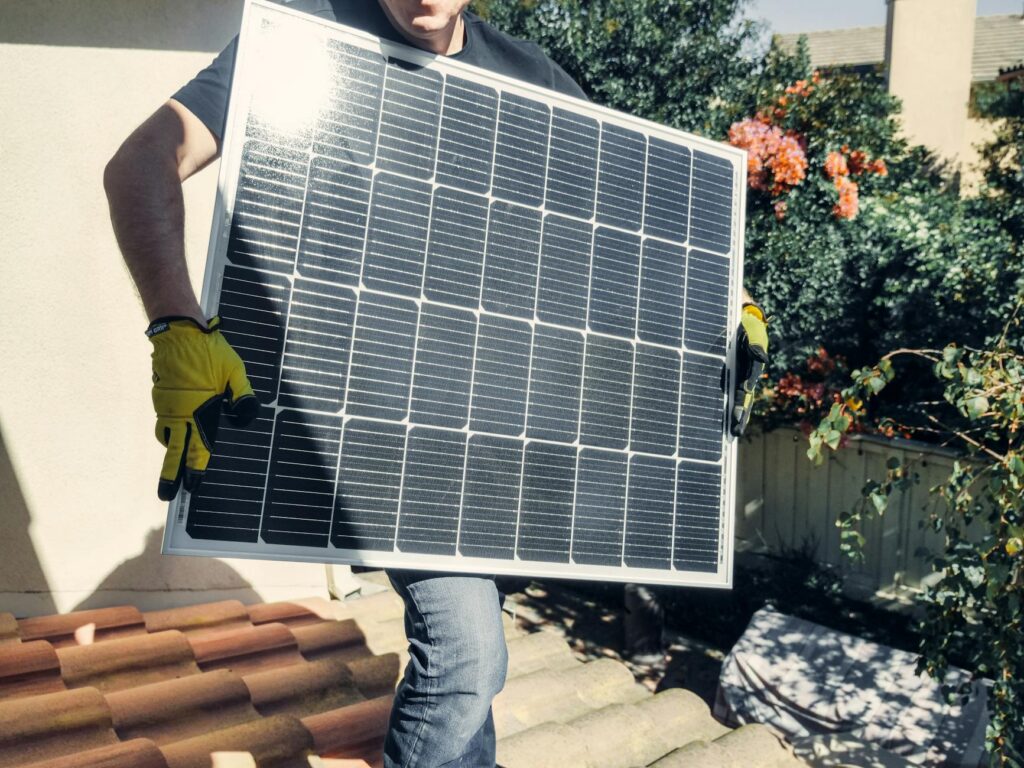
How Much Do Solar Panels Cost? A 2024 Guide to Pricing and Savings
If you’re considering installing solar panels on your home, understanding the true cost of solar panels is essential to making an informed decision. Solar energy has become more affordable than ever, but prices vary widely based on your location, system size, equipment quality, and installation complexity. This guide breaks down everything you need to know about solar panel costs, what factors influence pricing, and how much you can realistically save over time.
What Is the Average Cost of Solar Panels?
As of 2024, the average cost of a residential solar panel system ranges from $15,000 to $25,000 before incentives and tax credits. However, this figure varies significantly depending on system size. A typical 5-kilowatt (kW) system—suitable for many single-family homes—costs between $12,500 and $16,000 after accounting for labor, equipment, and installation fees.
The cost per watt of installed solar has dropped to approximately $2.50 to $3.50 per watt, down dramatically from $7 to $8 per watt just a decade ago. Larger systems cost less per watt due to economies of scale. A 10 kW system, for example, typically costs $2.40 to $3.00 per watt, while smaller 3 kW systems may run $3.50 to $4.00 per watt.
These prices reflect the gross cost before any financial incentives, which means your actual out-of-pocket expense will likely be considerably lower thanks to the federal solar Investment Tax Credit (ITC) and state or local rebates.
Key Factors That Influence Solar Panel Costs
Solar panel pricing is not one-size-fits-all. Several factors determine what you’ll pay for your system:
System Size and Your Energy Needs: Larger systems cost more in total dollars but may offer better value. If your household uses 10,000 kilowatt-hours (kWh) annually, you’ll likely need a 7 to 8 kW system. Smaller homes with lower energy consumption may need only 4 to 5 kW, costing less upfront.
Equipment Quality and Panel Type: Premium panels from well-established manufacturers like SunPower or LG cost more but offer higher efficiency and longer warranties. Budget-friendly panels from newer companies may cost 10 to 20 percent less but may have slightly lower efficiency ratings or shorter warranties.
Roof Condition and Installation Complexity: A straightforward roof installation with minimal obstructions costs less than complex roofs requiring structural reinforcement, additional framing, or removing existing roofing materials. Homes with asphalt shingles typically cost less to install on than tile or metal roofs.
Geographic Location and Local Labor Costs: Installation labor varies by region. Solar installation in California or the Northeast costs more than in the Midwest due to higher labor rates and stricter building codes. Permitting fees also differ by municipality.
Electrical System Upgrades: Older homes may need electrical panel upgrades or new wiring to accommodate solar systems. These upgrades can add $2,000 to $5,000 to your total installation cost.
Understanding Solar Incentives and Tax Credits
The federal Solar Investment Tax Credit (ITC) allows homeowners to claim 30 percent of total installed solar costs as a credit on federal income taxes through 2032. This means if your system costs $18,000, you can claim a $5,400 tax credit, effectively reducing your net cost to $12,600. This incentive significantly improves your return on investment and payback period.
Beyond the federal ITC, many states offer additional incentives. Some states provide rebates ranging from $500 to $2,000. New York’s Megawatt Solar program, for instance, offers upfront rebates. California’s Self-Generation Incentive Program (SGIP) provides incentives for battery storage alongside solar systems. Check your state’s energy office website or use the Database of State Incentives for Renewables & Efficiency (DSIRE) to find what’s available in your area.
Solar Renewable Energy Credits (SRECs) represent another potential income stream in select states. If your state has an SREC program, you can sell the environmental attributes of your solar production for additional revenue, sometimes generating $100 to $300 per credit annually depending on your state’s market.
Solar Panel Costs vs. Long-Term Savings
While the upfront cost of solar panels is significant, the long-term savings typically justify the investment. The average homeowner saves between $10,000 and $30,000 over a 25-year system lifespan, with the amount depending on local electricity rates, system size, and regional sunlight availability.
In high-cost electricity markets like Hawaii or Massachusetts, savings can exceed $35,000. In areas with cheaper electricity, savings may be closer to $10,000 over 25 years. Regardless, most homeowners achieve positive cash flow within 5 to 8 years through a combination of electricity bill reductions and available incentives.
Your payback period—the time it takes for savings to equal your initial investment—typically ranges from 6 to 12 years. After your system pays for itself, you essentially enjoy free electricity for the remaining lifespan of your panels, which typically comes with 25-year manufacturer warranties.
Financing Options for Solar Panel Installation
Most homeowners don’t pay cash for solar systems. Popular financing options include:
Solar Loans: Unsecured personal loans or home improvement loans with interest rates typically ranging from 3 to 10 percent. You own the system immediately, can claim the 30 percent federal tax credit, and enjoy electricity savings right away.
Home Equity Lines of Credit (HELOC): If you have equity in your home, a HELOC often provides the lowest interest rates, sometimes around 8 to 12 percent, depending on current market conditions.
Solar Leases and Power Purchase Agreements (PPAs): These require no money down. A third party owns the system and you pay a fixed monthly fee. However, you don’t claim the tax credit, and your savings are typically 10 to 30 percent less than owning outright.
Cash Purchase: Paying upfront means the highest out-of-pocket cost but the greatest long-term savings and tax benefits. Many affluent homeowners choose this option.
Frequently Asked Questions
How much do solar panels cost per watt in 2024?
Solar panels currently cost between $2.50 and $3.50 per watt of installed capacity for residential systems. This includes the panels themselves, inverters, mounting equipment, wiring, and professional installation labor. Prices have declined steadily over the past decade as manufacturing scales up and competition increases.
Can I get solar panels for free?
No legitimate installer offers completely free solar panels, but solar leases and power purchase agreements require zero money down. With these options, a third party owns and maintains the system while you pay a fixed monthly rate. However, you won’t own the system or claim the federal 30 percent tax credit, resulting in lower overall savings compared to purchasing a system outright.
What’s the difference between the cost of solar panels and total system cost?
Solar panel cost refers only to the photovoltaic modules themselves, typically accounting for 25 to 35 percent of your total system cost. The total installed system cost includes inverters (which convert DC to AC electricity), mounting hardware, electrical components, labor, permitting, and inspections—all necessary for a functioning solar installation.
Do solar panels require maintenance costs?
Solar panels are remarkably low-maintenance. Occasional cleaning every 6 to 12 months may improve efficiency by 2 to 5 percent. The inverter, which typically lasts 10 to 15 years, may need replacement for $2,500 to $4,000. Most homeowners budget $150 to $300 annually for maintenance and minor repairs over a 25-year lifespan.
How much can I save with solar panels?
Average savings range from $10,000 to $30,000 over 25 years, with higher savings in states with expensive electricity like California and Hawaii. Your specific savings depend on your current electricity rates, system size, roof orientation, and local sunlight levels. After the 30 percent federal tax credit and any state incentives, most homeowners achieve positive cash flow within 6 to 8 years.
Conclusion
Solar panel costs have become increasingly affordable, with the average residential system ranging from $15,000 to $25,000 before incentives. When you factor in the 30 percent federal tax credit and potential state rebates, your actual out-of-pocket cost drops substantially. Combined with long-term electricity savings of $10,000 to $30,000 over 25 years, solar panels represent a sound financial investment for most homeowners.
The key to getting the best deal is understanding what drives pricing in your area, exploring all available financing options, and calculating your specific return on investment based on your energy consumption and local electricity rates. Every home is different, and what works for your neighbor may not be optimal for your situation.
Use Our Free Solar Savings Calculator
Stop guessing about your solar panel costs and savings potential. Head to our free solar savings calculator at solarestimatorpro.com to get personalized estimates in minutes. Our tool analyzes your address, energy consumption, roof characteristics, and local incentive programs to calculate your exact installation costs, available tax credits, monthly savings, 25-year return on investment, and payback period. Get instant, accurate numbers that reflect your specific situation—no sales pitch, no obligation. Try our calculator today and discover
- Solar Panel Monitoring System — Complements solar panel installations by helping homeowners track energy production and optimize their system’s performance, relevant to readers already investing in solar.
- Home Energy Audit Kit — Helps readers assess current energy consumption and identify efficiency improvements before or alongside solar installation decisions.
- Solar Roof Mounting Hardware & Brackets — Essential installation components for DIY-minded readers or those looking to understand solar system hardware costs mentioned in pricing guides.