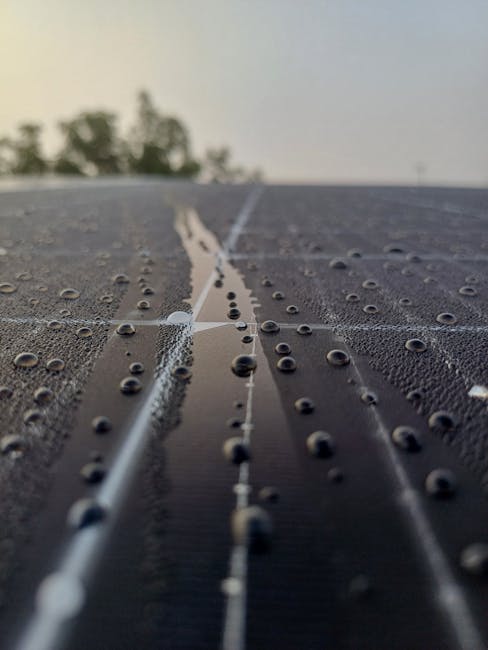
How Long Do Solar Panels Last: Lifespan & Factors
Modern solar panels typically last 25-30 years, with most manufacturers warranting performance for this period. While panels don’t simply “stop working” after 30 years, their efficiency gradually declines at a rate of about 0.5% per year. Understanding what affects lifespan helps you maximize your solar investment and plan for long-term energy savings.
Expected Lifespan of Solar Panels
Solar panels are built to last decades. The industry standard performance warranty is 25 years, meaning manufacturers guarantee your panels will produce at least 80-90% of their original capacity after this timeframe. Many high-quality panels continue functioning beyond 35-40 years with minimal degradation.
The degradation curve isn’t linear. Panels typically lose 2-3% efficiency in their first year, then stabilize to that 0.5% annual decline. This means a panel installed today might operate at 85% capacity after 30 years, still generating meaningful electricity for your home.
It’s important to distinguish between lifespan and warranty. Your panels may physically last 40+ years, but the manufacturer guarantees performance for 25 years. This warranty protects your investment if premature failure occurs.
Key Factors That Affect Solar Panel Longevity
Climate and Weather Exposure
Your local climate significantly impacts panel durability. Extreme temperature fluctuations cause material expansion and contraction, accelerating wear. Panels in consistently sunny, moderate climates tend to last longer than those in regions with harsh winters or intense heat. Salt air in coastal areas can corrode metal components, while heavy snow loads may stress mounting systems. However, modern panels are engineered to withstand temperatures from -40°F to 185°F and typically survive hail up to 1.25 inches in diameter.
Installation Quality and Maintenance
How your system is installed directly affects longevity. Poor installation with improper wiring, inadequate grounding, or incorrect mounting angles can reduce lifespan significantly. Regular maintenance also matters—cleaning panels 2-4 times annually prevents debris accumulation and corrosion. Inverters, which convert DC to AC power, typically need replacement after 10-15 years, though modern units are improving. Checking connections and ensuring proper ventilation around equipment helps prevent premature failure.
Manufacturing Quality and Materials
Panel quality varies significantly among manufacturers. Premium brands use superior materials, better encapsulation processes, and more rigorous testing, resulting in longer lifespans and lower degradation rates. Budget panels may have lower initial costs but can degrade faster. Look for panels from established manufacturers with strong track records and comprehensive warranties. The type of solar technology also matters—monocrystalline panels generally outlast polycrystalline panels due to superior silicon purity and construction methods.
Maximizing Your Solar Panel Lifespan
Professional Installation
Invest in professional installation from certified technicians. Proper mounting, waterproofing, and electrical work prevent issues that shorten lifespan. DIY installations often cut corners that cause problems years later. Choose installers experienced in your climate zone who understand local building codes and weather challenges.
Regular Maintenance Schedule
Establish a maintenance routine before installation. Clean panels quarterly or more frequently if you’re in dusty, sandy, or heavily polluted areas. Check for debris, bird droppings, and snow accumulation. Inspect wiring connections annually for corrosion. Most manufacturers recommend professional inspections every few years to catch issues early.
Monitor System Performance
Use your monitoring system to track energy production. Sudden drops indicate potential problems requiring immediate attention. A well-functioning system should match expected output based on weather patterns. Early problem detection prevents minor issues from becoming expensive damage.
Protect Against Electrical Issues
Install quality surge protection and ensure proper grounding. Lightning strikes and grid fluctuations can damage inverters and wiring. Quality components and professional electrical work minimize these risks. Consider annual inspections of electrical connections, especially after storms.
Use Our Solar ROI Calculator
Want to understand the financial impact of your solar panel investment over their entire lifespan? Our solar ROI calculator projects savings across 25-30 years, accounting for degradation and inflation. Input your system size, installation costs, and local electricity rates to see exactly how much you’ll save over time. This helps justify the upfront investment by showing total lifetime value.
Frequently Asked Questions
Do solar panels really last 25-30 years?
Yes, quality solar panels are designed and warrantied for 25-30 years of reliable performance. Most panels continue producing electricity beyond this period at reduced efficiency. Many installations from the 1980s-1990s still operate today. The manufacturing standards, materials science, and testing protocols ensure durability across this timeframe. Your specific lifespan depends on climate, maintenance, and installation quality.
What happens after the warranty expires?
After 25-30 years, panels continue working but at reduced capacity (typically 75-85% of original output). There’s no sudden shutdown—just gradual decline. Most systems remain economical well beyond warranty expiration because electricity costs continue rising while your panel output only decreases slightly. You might consider replacement if degradation becomes severe, but many homeowners benefit from panels operating at reduced capacity for decades beyond warranty.
Can I extend my panel’s lifespan?
Absolutely. Proper maintenance, professional installation, and climate protection significantly extend lifespan. Keep panels clean, monitor performance regularly, and address any issues immediately. Adequate ventilation prevents overheating. Using quality surge protection prevents electrical damage. In harsh climates, consider additional structural reinforcement. These practices can add years to your system’s productive life and maintain higher efficiency levels longer.
- Solar Panel Cleaning Kit — Maintenance is crucial for maximizing solar panel lifespan and efficiency. A cleaning kit directly supports the blog’s focus on longevity and performance preservation.
- Solar Monitoring System — Helps homeowners track panel efficiency degradation over time, allowing them to identify maintenance needs and understand real-world performance decline mentioned in the post.
- Home Energy Monitor — Complements solar panel ownership by measuring energy production and consumption, helping readers maximize their solar investment throughout the panel’s 25-30 year lifespan.