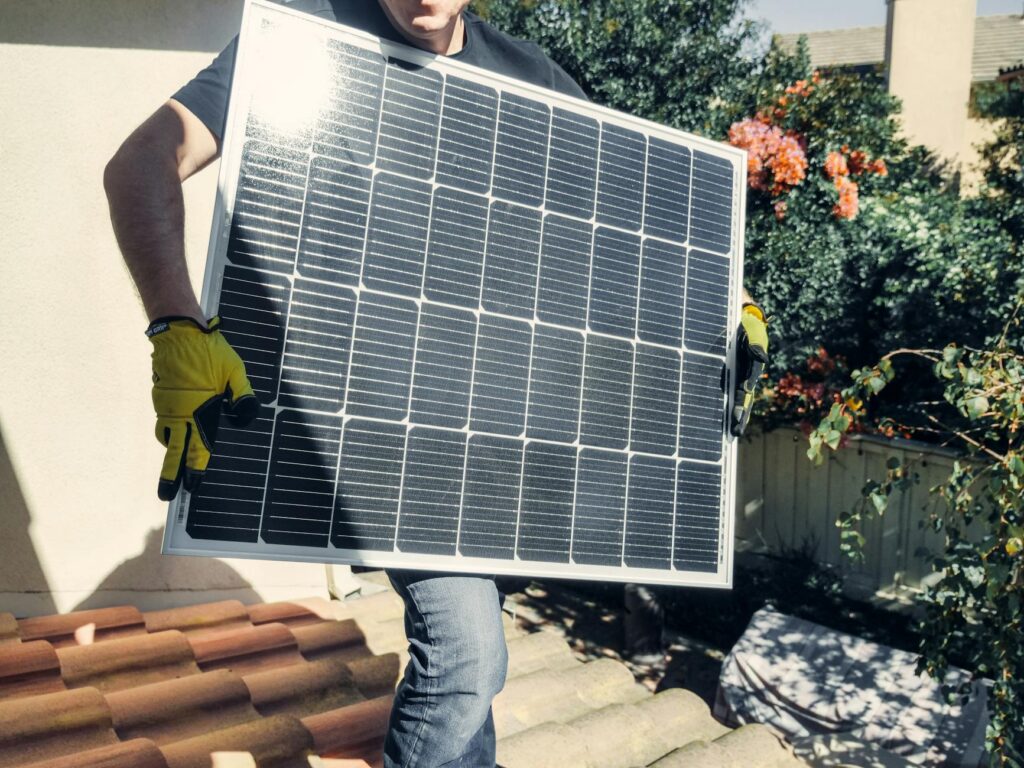
How Long Do Solar Panels Last: Complete Lifespan Guide
Most solar panels last 25-30 years, with many continuing to produce electricity beyond that timeframe. Understanding what affects their lifespan helps you make informed decisions about your solar investment and plan for long-term energy savings.
Average Solar Panel Lifespan and Degradation
Solar panels are built to last decades. The industry standard warranty covers 25 years, and manufacturers typically guarantee that panels will retain at least 80-85% of their original output capacity after this period. In reality, most panels degrade at a rate of only 0.5% per year, meaning a panel producing 100 kilowatts today would produce approximately 97.5 kilowatts after one year.
Real-world data from installations dating back to the 1980s shows that solar panels continue generating electricity well past their 25-year warranty period. Many panels installed 40+ years ago still function at 70-80% of their original capacity. This longevity makes solar an excellent long-term investment, especially when you factor in the cumulative energy production over decades.
The degradation curve isn’t linear either. Panels typically experience a slightly steeper initial drop in efficiency during the first year (around 2-3%), then settle into that stable 0.5% annual decline. This means your system’s performance is quite predictable and reliable for financial projections.
Key Factors Affecting Solar Panel Lifespan
Several environmental and installation factors influence how long your solar panels will last:
Climate and Weather Conditions
Extreme temperatures, hail, hurricanes, and intense UV exposure all impact panel longevity. Panels in harsh climates may experience faster degradation, though quality panels are tested to withstand significant weather stress. Modern panels can typically handle hail impacts up to 1-inch diameter and wind speeds exceeding 140 mph. Desert climates present UV challenges, while coastal areas deal with salt spray corrosion. Despite these challenges, geographic location rarely adds more than 0.2-0.3% to annual degradation rates for quality installations.
Installation Quality
Proper installation significantly extends panel lifespan. Panels that are securely mounted, correctly angled, and protected from excessive vibration will last longer. Poor installation can lead to micro-fractures, loose connections, and water infiltration that accelerate failure. Working with certified installers ensures your system is set up for decades of reliable performance.
Maintenance and Cleaning
While solar panels require minimal maintenance, regular cleaning removes dust, bird droppings, and debris that reduce efficiency. In areas with low rainfall, periodic professional cleaning can maintain peak output. However, neglecting maintenance doesn’t directly shorten panel lifespan—it just reduces the energy you capture. Proper maintenance is an investment in maximizing your returns over those 25-30+ years.
Panel Quality and Manufacturing
Not all solar panels are created equal. Premium manufacturers use higher-quality materials, more rigorous testing, and better encapsulation techniques. Tier-1 manufacturers offer superior longevity compared to budget alternatives. Investing in quality panels upfront often means better performance and longer functional life, making it worthwhile to research manufacturer reputation and warranty terms.
Inverter and System Components
While panels last 25-30 years, other system components may need replacement sooner. String inverters typically last 10-15 years and often require replacement during your panel’s lifetime. Microinverters and power optimizers may have different lifespans. Battery storage systems (if included) have their own degradation curves, typically lasting 10-15 years depending on type and usage patterns.
Maximizing Your Solar Panel Investment
To get the most from your solar installation, follow these best practices:
Monitor System Performance
Use your monitoring system to track output and identify issues early. Sudden drops in production can indicate panel damage, inverter problems, or wiring issues that need attention. Early detection prevents minor issues from becoming costly problems.
Schedule Professional Inspections
Have your system inspected every 5-7 years by qualified technicians. They can identify micro-fractures, loose connections, and component degradation before they become serious problems. Professional inspections also help maintain warranty coverage.
Plan for Component Replacement
Budget for inverter replacement around year 10-15. Calculate the cost into your long-term energy savings projections. Many homeowners find that even with replacement costs, their ROI remains excellent over 25+ years.
Keep Records
Maintain documentation of installation, maintenance, inspections, and repairs. These records support warranty claims and help track system performance over time. They’re also valuable if you sell your home, as buyers appreciate documented system care.
Calculate Your Long-Term Solar Savings
Understanding panel lifespan helps you project accurate long-term savings. Use our solar savings calculator to estimate how much you’ll save over 25, 30, or even 40 years with solar panels. This calculator factors in degradation rates, local electricity rates, and inflation to give you realistic projections of your investment’s value.
Frequently Asked Questions
Do solar panels stop working after 25 years?
No. Solar panels don’t stop working at 25 years—that’s simply when the manufacturer warranty ends. Most panels continue producing electricity for 35-40+ years. At 25 years, a quality panel typically produces 80-85% of its original output. This sustained production means even aged panels can continue contributing to your energy needs and financial returns.
What’s covered under solar panel warranties?
Solar panel warranties typically include two components: a product warranty (usually 10-12 years) covering manufacturing defects, and a performance warranty (25-30 years) guaranteeing minimum output levels. These warranties cover panel replacement if they fail or degrade faster than specified. They don’t cover normal wear, damage from improper installation, or environmental disasters unless specifically added.
Are older solar panels less efficient than new ones?
Yes, but the difference is modest. A 40-year-old panel might operate at 70-75% of its original efficiency compared to a brand-new panel at 100%. However, newer panels are also more efficient than older models were when new. The combination means a new panel today significantly outperforms a panel from 20+ years ago. Still, aged panels remain useful for generating clean energy and can be valuable in hybrid systems.
Related: virtual net metering agreement
Related: 10kW solar system cost
Related: home solar panel costs
Related: solar energy savings guide
Related: solar panel pricing guide
Related: solar ROI payback calculator