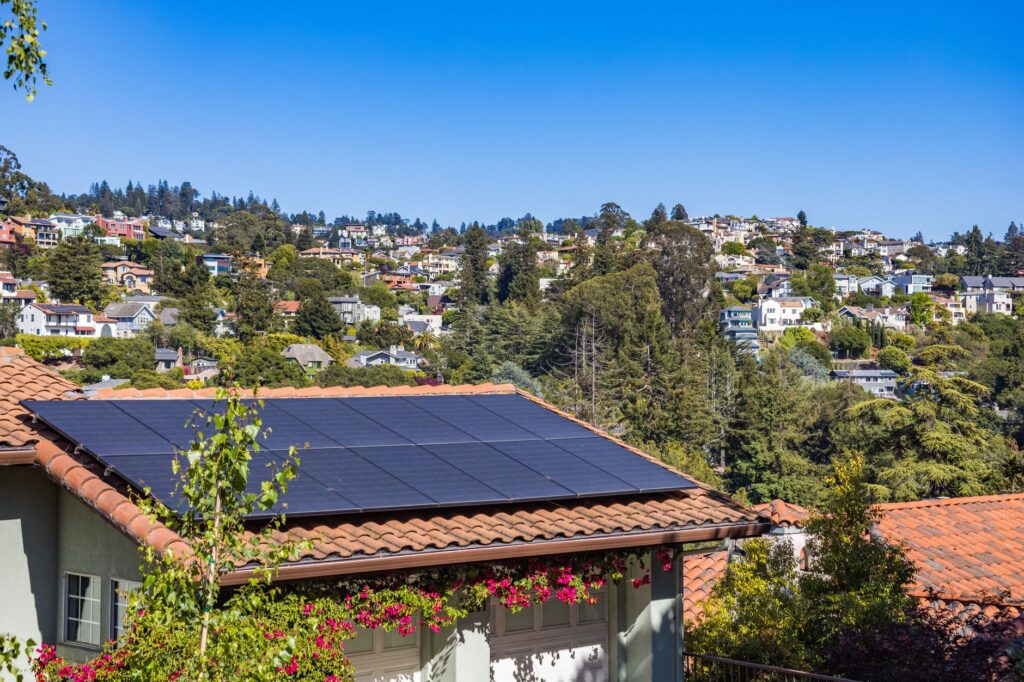
Home Solar Cost: A Complete Guide to Pricing, Incentives, and Savings
Installing solar panels on your home is one of the most significant energy investments you can make, and understanding the true cost of home solar is essential before moving forward. The average homeowner invests $15,000 to $25,000 in a residential solar energy system, but the final price depends on your location, roof size, electricity usage, and available incentives. This comprehensive guide breaks down every aspect of home solar cost, from installation fees to long-term savings, so you can make an informed decision about whether solar is right for your household. (Related: Federal Home Energy Tax Credits: A Guide to Claiming Expiring Solar Installation Incentives Before the Deadline) (Related: Solar Savings Calculator: Estimate Your Payback Period) (Related: Complete Guide to Solar Property Tax Exemptions by State 2026) (Related: How Permitting Costs Impact Solar ROI Calculations and What Automation Could Mean for Your Savings) (Related: Grid Tie vs Off Grid Solar: Which System Saves More?) (Related: Solar Loan Interest Rates 2026: The Complete Comparison Guide)
What Is the Average Cost of Home Solar Installation?
The total cost of a home solar installation varies significantly based on your location and system size. Most residential solar systems range from 5 kilowatts (kW) to 10 kW, with an average cost between $2.50 and $3.50 per watt before tax credits. For a typical 6 kW system, you can expect to pay $15,000 to $21,000 before any incentives or rebates are applied.
Several factors influence your exact price. Your location matters tremendously—solar installation costs in California average $12,000 to $18,000 for a 5 kW system, while the same system in Texas might cost $11,000 to $17,000 due to regional labor differences and supply chain variations. The age and condition of your roof also play a role; if your roof needs repairs or replacement before solar installation, you’ll need to budget an additional $5,000 to $15,000. Equipment quality, installer reputation, and local permitting requirements all contribute to the final bill.
Breaking Down the Components of Home Solar Cost
Understanding what you’re actually paying for helps you identify where costs come from and whether you’re getting a fair deal. A typical solar installation cost includes several major components:
Solar panels themselves usually represent 30 to 35 percent of your total system cost. High-efficiency panels from premium manufacturers like SunPower or LG cost more upfront but generate more electricity over their 25-year lifespan. Budget-friendly options from tier-one manufacturers still offer excellent performance at a lower price point.
Inverters convert the DC electricity your panels generate into AC electricity your home uses. A single string inverter costs $1,500 to $3,000, while microinverters for individual panels run $250 to $400 each. Inverters represent roughly 10 to 15 percent of your system cost and typically need replacement after 10 to 15 years.
Balance of system components—including wiring, breakers, combiner boxes, and mounting hardware—account for 10 to 20 percent of costs. These materials ensure your system operates safely and efficiently.
Labor and installation typically comprise 20 to 30 percent of your total investment. Professional installers handle electrical connections, structural work, and system testing to code. This is not an area to cut corners.
Permitting and interconnection fees vary by location but usually range from $300 to $2,000. Some municipalities charge nominal fees while others are more expensive. Your installer typically handles these administrative costs.
Federal Tax Credits and State Incentives That Reduce Home Solar Cost
The federal Investment Tax Credit (ITC) is the single most important incentive for homeowners installing solar. Currently, you can claim 30 percent of your total installation costs as a tax credit on your federal income taxes. On a $20,000 system, this means a $6,000 credit that directly reduces your tax liability. This incentive is available through 2032 before gradually phasing down, making now an excellent time to go solar.
Beyond the federal credit, many states offer additional incentives. New York’s SUNY program provides rebates of $1 to $1.75 per watt for residential systems. California’s Solar Equipment Tax Break exempts solar systems from property tax increases. Massachusetts offers additional tax exemptions for 20 years. Colorado, Illinois, and other states provide various performance-based incentives or rebates.
Some utility companies offer rebates or net metering programs that further reduce your effective cost. Net metering allows you to send excess solar electricity back to the grid in exchange for credits on your energy bill, effectively using the grid as a free battery. This program exists in 40+ states and can cut your payback period dramatically.
Always check the Database of State Incentives for Renewables and Efficiency (DSIRE) for your specific location, as incentives change frequently and vary by zip code.
How Long Does It Take to Break Even on Home Solar Cost?
Your solar payback period—the time it takes for your energy savings to equal your upfront investment—typically ranges from 5 to 12 years. After accounting for the 30 percent federal tax credit, most homeowners break even within 6 to 8 years and then enjoy 17 to 20 years of nearly free electricity.
Several variables affect your payback timeline. Your current electricity rates matter significantly; if you pay $0.14 per kilowatt-hour, you’ll break even faster than someone paying $0.11 per kWh. Your system size and annual production also matter—a 7 kW system in sunny Arizona generates more electricity than a 6 kW system in Seattle, accelerating your payback.
Over a 25-year period, most homeowners save $20,000 to $50,000 on electricity costs, depending on their location and system size. Even homeowners with a 10-year payback period enjoy 15 years of substantial savings. Factor in rising electricity rates, which have historically increased 2 to 3 percent annually, and your savings grow even larger over time.
Financing Options for Your Home Solar Investment
You have several paths to afford a solar installation without paying cash upfront. A solar loan allows you to borrow the full system cost and repay it over 5 to 20 years, typically at competitive interest rates between 4 and 8 percent. You own the system outright, claim the federal tax credit, and benefit from all energy savings immediately. Monthly loan payments usually fall below your current electricity bill savings, creating positive cash flow from day one.
A home equity line of credit (HELOC) or home equity loan leverages your home’s equity to finance solar. These options often offer lower interest rates than solar-specific loans, though your home serves as collateral. Interest may be tax-deductible, providing additional financial benefits.
A solar lease or power purchase agreement (PPA) requires no money down. You rent the solar system from a third-party company and pay a fixed monthly fee or a per-kilowatt-hour rate for the electricity produced. While this option requires no upfront investment, you don’t own the system or claim the federal tax credit, which significantly reduces your long-term savings.
Most homeowners find that a solar loan or cash purchase offers the best financial outcome, especially when combined with the 30 percent federal tax credit.
Frequently Asked Questions
How much does a typical residential solar panel system cost?
A typical 5 to 7 kW residential system costs between $15,000 and $22,000 before tax credits and incentives. After applying the 30 percent federal Investment Tax Credit, most homeowners pay $10,500 to $15,400 out of pocket. Your exact price depends on your location, roof characteristics, electricity usage, and equipment quality.
Is home solar cost the same everywhere in the United States?
No, solar installation costs vary significantly by state and region. Labor costs, local permitting processes, supply chain logistics, and regional competition among installers all affect pricing. The Northeast and California typically have higher costs per watt than the Midwest or South, though variations exist within states based on local factors.
What percentage of home solar cost does the federal tax credit cover?
The federal Investment Tax Credit covers exactly 30 percent of your total installation costs, including equipment, labor, permitting, and associated expenses. For a $20,000 system, you receive a $6,000 tax credit that reduces your federal income tax liability in the year you install your system.
Can I reduce home solar cost through financing instead of paying cash?
Financing doesn’t reduce your total system cost, but it makes the investment more affordable by spreading payments over time. Solar loans typically have lower interest rates than personal loans because they’re secured by the solar equipment. You still claim the federal tax credit and benefit from all energy savings while repaying the loan.
How do electricity rate increases affect long-term home solar cost savings?
Electricity rates typically increase 2 to 3 percent annually, which dramatically increases your solar savings over time. A system that saves $1,200 annually today saves significantly more in year 10 as grid electricity costs rise. This rate escalation is one reason solar provides such strong returns compared to most other investments.
Use Our Free Solar Savings Calculator
Ready to discover your specific home solar cost and potential savings? Head to our free solar savings calculator at solarestimatorpro.com to get a personalized estimate. Enter your address, current electricity bill, and roof details, and our calculator instantly generates your projected system cost, federal tax credit amount, payback period, and 25-year savings in actual dollar amounts. You’ll see exactly how much you can expect to save before ever speaking with an installer, empowering you to make a confident decision about going solar. Try it today—it takes just three minutes and provides invaluable insight into whether solar makes financial sense for your home.
Conclusion
Understanding home solar cost requires looking beyond the sticker price to consider incentives, financing options, and long-term savings. While the average system costs $15,000 to $25,000 before incentives, the 30 percent federal tax credit, state programs, and utility rebates dramatically reduce your actual investment. Most homeowners break even within 6 to 8 years and enjoy decades of energy savings that increase as electricity rates rise.
- Solar Panel Installation Toolkit — DIY solar enthusiasts and homeowners researching costs often look for tools to understand or participate in installation projects
- Home Energy Monitoring System — Complements solar investment by helping homeowners track energy production and savings, directly supporting the ROI analysis discussed in the post
- Solar Panel Cleaning Kit — Essential maintenance product for solar panel owners to maximize efficiency and protect their $15,000-$25,000 investment long-term