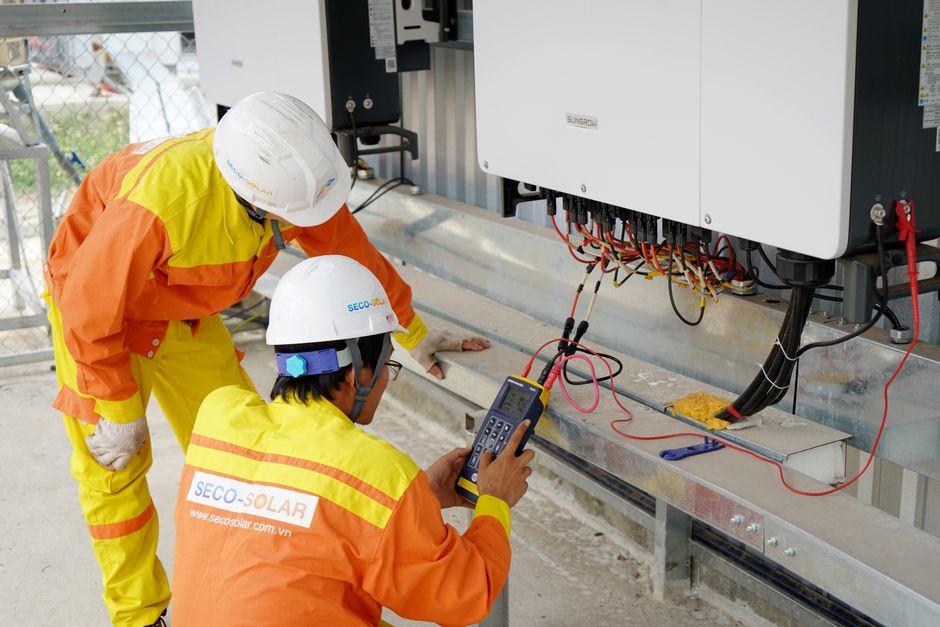
Combining solar panels with home energy efficiency upgrades maximizes your savings by reducing overall energy consumption while generating clean power. Start with efficiency improvements like insulation and LED lighting, then install solar to cover remaining needs, creating a synergistic system that increases ROI.
Why Combine Solar Panels with Energy Efficiency Upgrades
Most homeowners think about solar panel installation as a standalone investment. But treating solar panels and home energy efficiency as a combined strategy is where the real financial gains emerge. When you reduce how much energy your home wastes before sizing your solar array, you need fewer panels — and that directly lowers your upfront installation cost.
According to the U.S. Department of Energy’s Solar Energy Technologies Office, homes that combine energy efficiency measures with solar installations consistently achieve shorter payback periods than those that install solar on an inefficient home. The logic is straightforward: every kilowatt-hour you eliminate through efficiency is a kilowatt-hour your solar system doesn’t need to produce.
Think of it this way — if your home currently uses 1,200 kWh per month but efficiency upgrades reduce that to 900 kWh, you’re now sizing your solar system for 25% less energy demand. That difference can translate to two or three fewer panels, saving thousands of dollars on installation while still achieving full energy offset.
Should you do energy efficiency upgrades before installing solar panels?
Yes, in nearly every case, completing energy efficiency upgrades before solar panel installation is the smarter sequence. Upgrading insulation, sealing air leaks, switching to LED lighting, and replacing an aging HVAC system will reduce your home’s total energy load. Your solar installer then sizes the array to your lower, more accurate demand — meaning you avoid paying for excess solar capacity you don’t need. The only exception might be if your utility offers time-sensitive incentives that require immediate solar installation.
Key Home Energy Efficiency Improvements to Pair with Solar
When planning your solar panels home energy efficiency strategy, prioritize upgrades with the fastest individual payback periods first. These improvements reduce your consumption baseline before your solar system is even sized.
Air Sealing and Insulation: Heating and cooling account for roughly 43% of a typical home’s energy use. Proper attic insulation and sealing drafts around windows, doors, and electrical outlets can cut that load by 15–20%. This is almost always the highest-ROI starting point for maximizing solar savings home efficiency.
LED Lighting Upgrades: Replacing incandescent and older CFL bulbs with LED lighting reduces lighting energy use by up to 75%. It’s low cost, immediate, and reduces baseline load before your solar estimate is calculated.
Smart Thermostat Installation: A programmable or smart thermostat can reduce heating and cooling energy use by 8–15% annually with minimal upfront investment — typically under $200 installed.
HVAC Efficiency Upgrades: If your HVAC system is older than 15 years, upgrading to a high-efficiency heat pump system before going solar can dramatically change your energy profile. Modern heat pumps operate at efficiencies of 300–400%, compared to 95–98% for gas furnaces, making them highly compatible with solar generation.
Energy-Efficient Appliances: ENERGY STAR-certified appliances — particularly refrigerators, dishwashers, and washing machines — can reduce appliance-related consumption by 10–50% depending on the age of your current models. Combining solar with energy upgrades like these compounds your savings year over year.
Use our solar savings calculator to see how reducing your baseline consumption changes your estimated system size and total installation cost.
Calculating Your Combined Savings and ROI
How much can you save by combining solar panels with energy efficiency improvements?
A homeowner spending $3,000–$5,000 on efficiency upgrades before going solar could reduce their required solar system size by 1.5–3 kW. At current average installed costs of approximately $3.00–$3.50 per watt, that represents $4,500–$10,500 in avoided solar installation costs alone — before calculating ongoing utility savings. The 30% federal Investment Tax Credit (ITC) ended for residential systems installed after December 31, 2025, so 2026 installs no longer receive it; combined with lower monthly utility bills from efficiency upgrades, total first-decade savings commonly range from $15,000 to $30,000 depending on location, utility rates, and home size.
The combined ROI calculation follows this methodology:
- Step 1: Calculate current annual energy cost (kWh usage × local utility rate)
- Step 2: Estimate post-efficiency upgrade energy reduction (typically 15–30%)
- Step 3: Size solar system to offset reduced demand
- Step 4: Calculate net solar cost after any state incentives (the 30% federal ITC ended for 2026 installs)
- Step 5: Divide total net investment by annual savings to find payback period
Based on current utility rate trends and the federal ITC as maintained under the Inflation Reduction Act, most homeowners combining efficiency upgrades with solar achieve payback periods of 6–9 years versus 9–12 years for solar-only installations.
Run the numbers for your specific home using our solar payback period calculator, which factors in local net metering policies and current incentive programs.
Step-by-Step Implementation Strategy
Follow this proven sequence when combining solar panel installation efficiency improvements with broader home upgrades:
- Get a Home Energy Audit: A certified energy auditor identifies your biggest consumption losses. Many utilities offer free or subsidized audits — check your provider’s website or the Department of Energy’s energy efficiency resources for federally supported programs in your state.
- Complete High-ROI Efficiency Upgrades First: Prioritize air sealing, insulation, and lighting before anything else.
- Reassess Your Energy Bills: After upgrades are complete, review 3–6 months of utility data to establish your new, lower baseline consumption.
- Get Solar Quotes Based on New Baseline: Request solar installation quotes using your post-upgrade consumption data. Insist installers size the system to your actual current demand.
- Apply for All Available Incentives: Stack any state tax credits, utility rebates, and local incentive programs before finalizing your investment calculation (the 30% federal ITC ended for systems installed after December 31, 2025).
- Install and Monitor: Use a monitoring system to track both solar production and home consumption, identifying any remaining efficiency opportunities.
Common Mistakes to Avoid
Sizing Solar to Pre-Upgrade Consumption: The single most expensive mistake is getting solar quotes before completing efficiency upgrades. You’ll overbuy capacity and overpay for installation.
Ignoring the Building Envelope: Some homeowners focus on appliances and lighting while ignoring insulation and air sealing. The building envelope typically offers the highest energy reduction per dollar spent.
Overlooking Utility Rate Structures: Time-of-use rates can dramatically affect your solar ROI calculation. Understanding when your utility charges peak rates helps you optimize solar production timing and battery storage decisions.