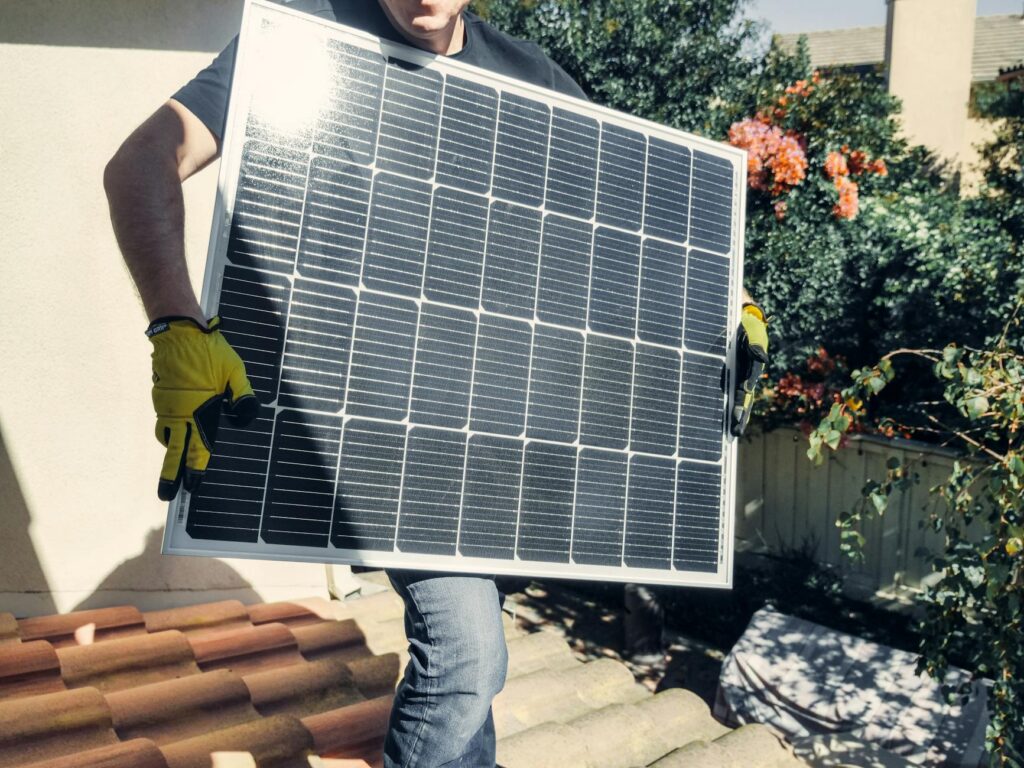
Solar Panel Cost: A Complete 2024 Guide to Pricing and Savings
Installing solar panels is one of the most significant investments a homeowner can make, but understanding the true cost of solar panels requires looking beyond the sticker price. The average residential solar panel system costs between $15,000 and $25,000 before incentives, though this number varies dramatically based on location, system size, equipment quality, and local labor rates. Whether you’re considering a small 5-kilowatt system or a larger 10-kilowatt installation, knowing what you’ll actually pay—and how much you’ll save—is essential to making an informed decision.
This guide breaks down every factor that influences solar panel costs and shows you how to estimate your potential savings with confidence.
What Drives Solar Panel Costs?
Solar panel installation costs consist of three main components: the panels themselves, the inverter and balance-of-system equipment, and labor. Equipment typically accounts for 60 to 70 percent of the total cost, while labor makes up the remaining 30 to 40 percent.
The cost per watt—a standard metric for comparing solar systems—ranges from $2.50 to $3.50 across the United States. A typical 6-kilowatt residential system, which produces enough electricity for an average household, will cost approximately $12,000 to $18,000 before any incentives. However, prices vary significantly by state. California, Texas, and Florida often offer more competitive pricing due to higher installation volumes, while rural areas and states with less developed solar markets may see costs 20 to 30 percent higher.
Equipment quality also plays a major role. Premium panel manufacturers like SunPower or Panasonic command higher prices but offer superior efficiency and longer warranties. Budget-friendly options from companies like Canadian Solar or Trina Solar can reduce upfront costs by 15 to 25 percent while still providing solid performance and 25-year manufacturer warranties.
Breaking Down Your Total Solar Panel Cost
Understanding where your money goes helps you identify areas where you might save. Here’s a realistic cost breakdown for a 6-kilowatt system:
Solar Panels (18 to 20 panels): $5,400 to $7,200. At roughly $0.90 to $1.10 per watt, panels represent a significant portion of your investment but are also the longest-lasting component of your system.
Inverter: $1,500 to $3,000. This device converts DC electricity to AC power your home uses. String inverters cost less but are less flexible; microinverters cost more but offer better performance in partial shade and longer-term reliability.
Mounting, Wiring, and Electrical Components: $1,000 to $2,000. These materials secure panels to your roof, connect them safely, and integrate with your home’s electrical system.
Labor and Installation: $3,000 to $5,000. Permitting, inspections, roofing work if needed, and professional installation all fall under labor costs.
Solar Panel Cost Variations by Location and Home Type
Your location has an enormous impact on pricing. In high-cost areas like Massachusetts, New York, or Hawaii, a 6-kilowatt system can exceed $25,000. In Texas, Arizona, or California, the same system might cost $14,000 to $18,000. Regional labor rates, permitting complexity, local incentive availability, and competition among installers all contribute to these differences.
Your home’s characteristics matter too. Homes with simple, south-facing roofs, good structural integrity, and no shading obstacles are cheaper to install. Conversely, homes requiring roof repairs, tree trimming, or complex electrical upgrades will see higher costs. Older homes with outdated electrical panels might need $1,500 to $3,000 in electrical upgrades before solar installation.
The size of your system directly correlates to cost, but larger systems benefit from economies of scale. A 10-kilowatt system costs roughly 15 to 20 percent less per watt than a 5-kilowatt system because fixed costs—like permitting and site surveys—spread across more capacity.
How Federal and State Incentives Reduce Your Solar Panel Cost
The federal Investment Tax Credit (ITC) is the single largest incentive available to homeowners. As of 2024, the ITC allows you to deduct 30 percent of your solar installation costs directly from your federal income tax liability. On a $18,000 system, this means a $5,400 tax credit, effectively reducing your net cost to $12,600.
Many states offer additional incentives. New York’s Solar Equipment Tax Credit provides a 25 percent state tax credit. Massachusetts offers net metering programs that credit excess electricity your panels generate back to the grid. Some utilities offer rebates of $500 to $2,000 for switching to solar. Check the Database of State Incentives for Renewables and Efficiency (DSIRE) to see what programs apply to your address.
Performance-based incentives in some states pay you directly based on the energy your system generates, essentially creating a secondary revenue stream. These vary widely but can add $1,000 to $5,000 to your savings over 10 years.
Understanding Long-Term Solar Panel Savings
The real financial benefit of solar panels emerges over time. Most systems pay for themselves through electricity savings within 6 to 12 years. After that, you’re generating free electricity for 15 to 20+ years of remaining panel lifespan.
A household paying $120 per month in electricity bills ($1,440 annually) can expect to save $15,000 to $20,000 over 10 years with solar panels. Households in high-electricity-cost states like California or New York see even greater savings—sometimes exceeding $30,000 over a decade.
Your solar savings depend on three factors: your current electricity rate, the amount of sunlight your location receives, and how much of your roof’s solar potential you use. A solar professional can analyze your specific roof using aerial imaging and weather databases to predict your exact annual production and calculate your payback period and return on investment.
Financing Options for Solar Panel Costs
Most homeowners don’t pay cash for solar panels. Solar loans let you borrow the full amount and repay it through monthly installments, often with favorable terms. With a 7-year loan on an $18,000 system at 6 percent interest, you’d pay roughly $280 per month—often less than your previous electricity bill.
Home Equity Lines of Credit (HELOCs) and cash-out refinancing offer another route, typically at lower interest rates than solar-specific loans. Leases and Power Purchase Agreements (PPAs) shift ownership to the solar company, eliminating upfront costs but reducing your long-term savings by 20 to 40 percent.
Frequently Asked Questions
How much does a typical residential solar panel system cost?
A typical 6-kilowatt residential solar panel system costs $15,000 to $21,000 before incentives in 2024, or roughly $2.50 to $3.50 per watt. This varies based on your location, equipment quality, and installation complexity. After applying the 30 percent federal tax credit, your net cost drops to roughly $10,500 to $14,700.
What is the payback period for solar panels?
Most homeowners recoup their solar investment within 6 to 12 years through electricity savings, depending on local electricity rates, system size, and available incentives. After the payback period, you’re generating free electricity for the remaining 20+ year lifespan of your panels, creating substantial wealth accumulation.
Do solar panels increase home value?
Yes. Studies show homes with solar panels sell for 3 to 4 percent more on average. A $300,000 home with a $18,000 solar system typically sells for an additional $9,000 to $12,000. The exact premium depends on local real estate markets and how the solar system is financed.
Are there hidden costs I should know about?
Maintenance costs are minimal—occasional cleaning and inverter replacement after 10 to 15 years are the main expenses. Some homeowners face costs for roof repairs, tree trimming, or electrical upgrades, but these are typically identified upfront. Insurance rates rarely increase, and property tax exemptions for solar panels exist in many states.
What’s the difference between per-watt and total cost estimates?
Per-watt costs ($2.50 to $3.50) allow easy comparison between systems of different sizes. A 5-kilowatt system at $3.00 per watt costs $15,000, while a 10-kilowatt system at the same rate costs $30,000. Total cost estimates reflect your unique situation including labor, permits, and any necessary electrical work.
Use Our Free Solar Savings Calculator
Rather than relying on generic estimates, discover your exact solar panel cost and savings with precision. Head to our free solar savings calculator at solarestimatorpro.com. Enter your address, recent electricity bill, and roof characteristics, and our calculator instantly provides personalized estimates including your total installation cost, federal tax credit benefit, year-by-year savings projections, break-even timeline, and 25-year return on investment. You’ll see exactly how much you’ll save in actual dollar amounts and understand your financing options within seconds—no quotes from installers, no long forms, and no sales calls. Start your free calculation today and see what solar could mean for your wallet.
Conclusion
Understanding solar panel costs is the first step toward energy independence and long-term savings. While the upfront investment of $15,000 to $25,000 seems substantial, federal incentives, state rebates, and attractive financing options make solar accessible to most homeowners. When you factor in 25+ years of free electricity generation
- Renogy 400W Solar Panel Kit — Practical solar equipment for homeowners considering DIY or smaller installations; complements the cost guide with tangible product options
- SolarEdge Monitoring System — Helps homeowners track solar system performance and ROI; directly supports the savings calculations discussed in the pricing guide
- Tesla Powerwall Home Battery — Common complementary product for solar installations that readers considering the $15k-$25k investment would research for energy storage solutions