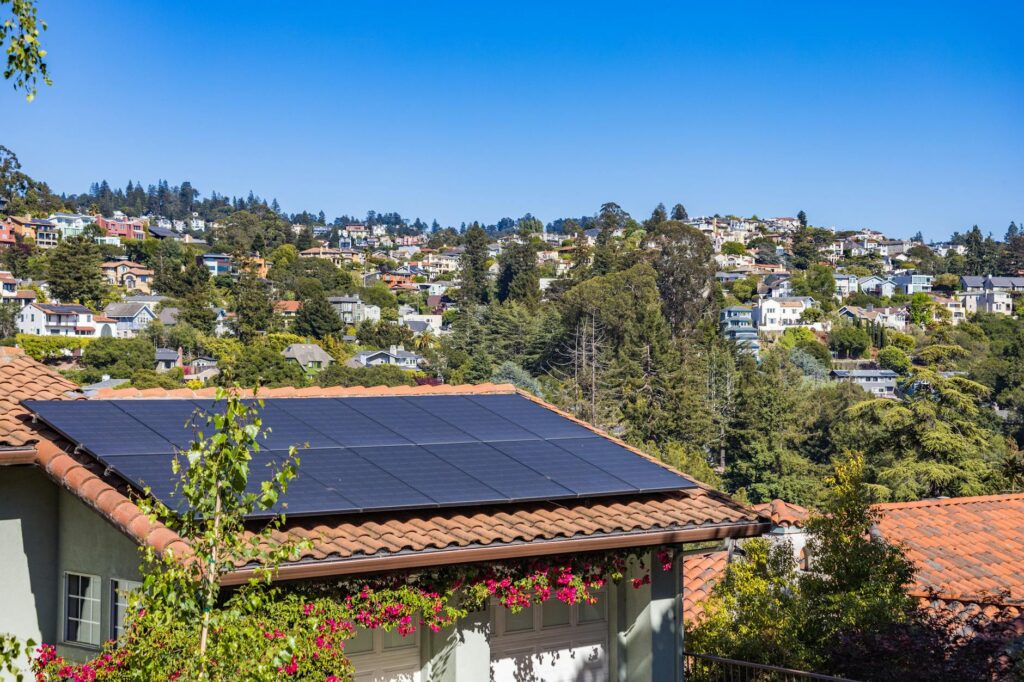
Community solar programs let you benefit from solar energy without installing panels on your roof. You subscribe to a shared solar farm and receive credits on your electricity bill for your share of the power generated. This approach works for renters, those with poor roof conditions, and anyone wanting solar benefits without the upfront installation costs.
What Are Community Solar Programs?
Community solar, also called shared solar, is a renewable energy model where multiple households or businesses subscribe to a single solar installation located off-site. According to the Solar Energy Industries Association (SEIA), the U.S. community solar market has grown significantly, with over 3.5 million subscribers as of 2023, representing a 15% year-over-year increase.
Instead of owning rooftop panels, you’re allocated a portion of the solar array’s output. When the system generates electricity, your share is credited to your utility bill monthly. If the system produces more power than your allocation requires, you may receive bill credits or monetary compensation depending on your program structure.
Community solar is particularly valuable for renters, apartment dwellers, and property owners whose roofs are shaded, damaged, or structurally unsuitable for panels. You avoid the $15,000-$25,000 average cost of residential solar installation (based on EnergySage market data, 2023) while still accessing renewable energy benefits.
How Community Solar Works and Its Key Benefits
When you enroll in a community solar program, you typically sign a 20-25 year agreement allocating you a percentage of the solar farm’s output. Your utility company receives the monthly generation data and applies your credits directly to your electricity bill. If your allocation generates more power than you use, policies vary—some programs roll credits forward, others pay cash, and some donate excess to local nonprofits.
The primary benefits include:
- No Installation Costs: Zero upfront investment or roof modifications required.
- Lower Electricity Bills: Typical savings range from 10-15% annually on electricity costs, according to the National Renewable Energy Laboratory (NREL, 2022).
- Accessibility: Renters, condo owners, and those with roof limitations can access solar power.
- Environmental Impact: Reduce your carbon footprint by supporting renewable energy generation.
- No Maintenance: The solar farm operator handles all maintenance, cleaning, and repairs.
- Predictable Costs: Know your energy savings in advance without variable maintenance expenses.
Community solar programs also support local job creation and energy resilience. Many utilities partner with community solar developers to diversify their energy portfolios and meet renewable energy mandates.
How to Enroll in Community Solar Programs Near You
Finding and enrolling in community solar involves several straightforward steps:
Step 1: Check Program Availability
Community solar isn’t available everywhere. Visit your utility company’s website or contact their renewable energy department to confirm whether programs operate in your area. Some states have robust programs; others are just developing them.
Step 2: Compare Available Programs
If multiple programs exist in your region, compare subscription costs, guaranteed savings percentages, contract length, and terms for excess power. Some programs offer discounts for low-income households or seniors.
Step 3: Review Contracts Carefully
Ensure you understand billing changes, termination policies, and what happens if you move. Most programs allow transfer of subscriptions between properties, but clarify this upfront.
Step 4: Complete the Application
Provide proof of residency, utility account information, and property ownership (if required). Most programs process applications within 2-4 weeks.
Step 5: Start Receiving Credits
Once your subscription is active, bill credits typically appear within 1-2 billing cycles after the solar farm becomes operational.
To estimate your potential savings from community solar or understand how much solar you’d need if you installed panels, use our solar cost and savings calculator to see personalized projections based on your location and energy usage.
Community Solar vs. Rooftop Solar: Which Is Right for You?
While community solar offers flexibility, rooftop solar provides distinct advantages for homeowners with suitable properties. Rooftop systems offer greater long-term savings (typically 10-30% over 25 years), increase home value, and provide energy independence. However, rooftop solar requires higher upfront investment and ongoing maintenance responsibility.
Choose community solar if you’re renting, have roof limitations, prefer no maintenance, or want immediate renewable energy access. Choose rooftop solar if you own your home, have adequate sunlight exposure, plan to stay long-term, and want maximum savings potential.
Many homeowners also blend both approaches—combining rooftop panels with community solar participation to maximize renewable energy benefits and optimize bill savings.
Frequently Asked Questions About Community Solar
Can I leave a community solar program whenever I want?
Most community solar contracts lock you in for 20-25 years, but early exit policies vary by program. Some programs allow penalty-free cancellation if you move outside the service area or experience financial hardship. Review your contract’s cancellation terms before enrolling. Some programs also permit transfer of subscriptions to family members or the next property owner.
What happens to my community solar credits if I don’t use all the power my allocation generates?
Excess credit policies depend on your specific program. Some programs allow credits to roll forward to the next billing month, creating a cushion for higher-usage periods. Others reimburse unused credits as annual payments. A few programs donate unused power to community nonprofits. Confirm your program’s excess credit policy before signing up.
Does community solar work if I have solar panels already installed?
Yes, you can participate in community solar programs while maintaining rooftop panels. However, your utility company may reduce credits if combined generation exceeds your usage. Some utilities allow subscription to smaller community solar allocations alongside rooftop systems to balance overall renewable energy investment. Contact your utility and community solar provider to confirm compatibility before committing to both.
Getting Started With Community Solar Today
Community solar democratizes renewable energy access, eliminating barriers for renters, apartment dwellers, and property owners with unsuitable roofs. With typical savings of 10-15% annually and zero installation costs, community solar represents a practical pathway to renewable energy participation.
Start by checking whether programs operate in your area, comparing available options, and understanding contract terms. If community solar isn’t available yet, subscribe to your utility company’s announcements or contact your state’s energy office for expected program launches. Your transition to clean, sustainable energy can begin today—with or without rooftop panels.