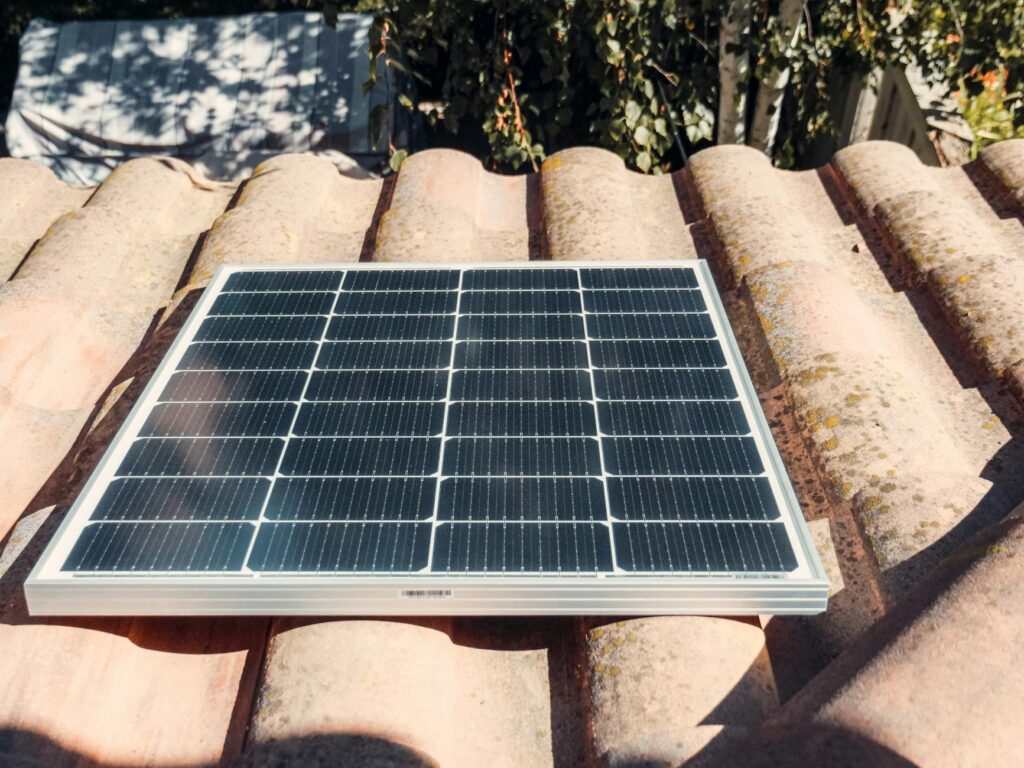
Microinverters vs String Inverters: Complete Guide
The inverter you choose directly impacts your solar system’s efficiency, performance, and long-term savings. Microinverters and string inverters are the two main technologies, each with distinct advantages and trade-offs. This guide breaks down the key differences to help you make an informed decision for your home or business.
Understanding Microinverters: How They Work and Key Benefits
Microinverters are small devices installed on each solar panel, typically converting DC power to AC power right at the source. This distributed approach offers several compelling advantages for residential installations.
The primary benefit of microinverters is their ability to handle shading and panel mismatch independently. If one panel is covered by a tree or shadow, it doesn’t drag down the performance of your entire array. Each panel operates at its maximum potential regardless of others’ output. This makes microinverters ideal for roofs with complex layouts, multiple roof angles, or consistent shading issues.
Microinverters also provide superior monitoring capabilities. Most systems offer panel-level data, allowing you to see exactly how each panel performs in real-time. This granular insight helps identify maintenance issues quickly—like a dusty panel or developing defect—before they cost you significant energy production.
Installation flexibility is another advantage. Since each panel has its own inverter, you can expand your system gradually without rewiring or replacing equipment. Microinverters typically have 25-year warranties matching your panel lifespan, and they fail individually rather than taking down your entire system.
However, microinverters come with higher upfront costs—usually $1,000 to $3,000 more per system—and require more maintenance points since there are multiple units instead of one central device.
String Inverters Explained: Efficiency, Cost, and Limitations
String inverters are centralized units that convert power from multiple panels wired in series (strings) to AC power. They’re the traditional choice and remain popular for larger installations and simpler roof configurations.
The biggest advantage of string inverters is cost-effectiveness. A single high-quality unit typically runs $2,000 to $4,000 per system, making them 30-50% cheaper than microinverter setups. This lower barrier to entry appeals to budget-conscious homeowners seeking straightforward solar solutions.
String inverters are also highly reliable and well-proven technology with decades of field experience. They’re easier to install, require less wiring complexity, and offer simpler troubleshooting. For homes with unshaded, south-facing roofs and consistent panel orientations, string inverters deliver reliable performance at maximum efficiency.
The main drawback is vulnerability to shading and panel mismatch. If even one panel underperforms due to shade, dirt, or defects, the entire string suffers. This “weakest link” scenario can reduce system output by 10-25% in partially shaded conditions. Additionally, string inverters have shorter warranties (10-15 years) than your panels, meaning replacement costs during the system’s life.
String inverters also provide less detailed monitoring. You typically see system-level output rather than individual panel data, making it harder to identify specific issues quickly. If the unit fails, your entire system goes down until it’s replaced.
Comparing Performance, Cost, and Longevity
When evaluating these technologies side-by-side, consider three critical factors: actual energy production, total cost of ownership, and system lifespan expectations.
Energy Production: In ideal conditions (no shading, uniform panels), both systems produce nearly identical output. String inverters often achieve 97-98% efficiency, while microinverters typically reach 96-97%. The real difference emerges with imperfect roof conditions. In partially shaded installations, microinverter systems can produce 5-25% more energy annually than string inverter systems handling the same shading.
Total Cost Analysis: String inverters win on initial investment, but microinverters may win long-term. A string inverter system costs less upfront but requires replacement after 10-15 years, adding $2,000-$4,000 to your expenses. Microinverter systems cost more initially but eliminate inverter replacement costs over 25+ years. Calculate your home’s specific ROI using our solar comparison tools.
System Reliability: Microinverters fail individually—if one fails, the others continue working at reduced capacity. String inverters fail as a unit, blocking all production. For maximum uptime, microinverters provide better redundancy. However, string inverters have fewer failure points overall, making them statistically less likely to need service.
Choose microinverters if your roof has shading, multiple angles, or you want maximum monitoring detail. Select string inverters for simple, unshaded roofs where cost savings matter most.
Calculate Your System Requirements
Choosing between these technologies depends on your specific roof conditions, budget, and energy goals. Our solar system calculator analyzes your roof layout, shading patterns, and local sunlight to recommend the optimal inverter technology for your home, complete with estimated production and costs.
Frequently Asked Questions
Which inverter type is better for residential solar systems?
Neither is universally “better”—it depends on your situation. Microinverters excel in homes with shading, complex roof layouts, or those prioritizing maximum monitoring. String inverters work great for simple, unshaded roofs where you want lowest costs. Most residential installations use one or the other based on roof conditions and budget constraints.
Can I add a battery storage system to either inverter type?
Yes, but the integration differs. String inverters pair seamlessly with hybrid/battery-ready models designed for storage. Microinverter systems require additional battery inverters or AC-coupled battery systems, adding complexity and cost. If battery storage is planned, clarify compatibility with your installer during design.
How often do inverters need maintenance or replacement?
Modern string inverters last 10-15 years and typically need replacement once during a 25-year panel lifespan. Microinverters last 25+ years matching your panels, eliminating replacement costs. Neither requires routine maintenance beyond occasional monitoring and ensuring proper ventilation around equipment.
- Enphase Microinverter System — Direct product match – Enphase is the leading microinverter brand discussed in comparison guides, allowing readers to purchase the technology being evaluated
- SolarEdge String Inverter with Power Optimizer — Completes the comparison by offering the string inverter alternative, helping readers make informed purchasing decisions between both technologies
- Solar Panel Monitoring and Management System — Essential complementary product – monitoring systems help users track the performance differences between microinverter and string inverter setups discussed in the guide