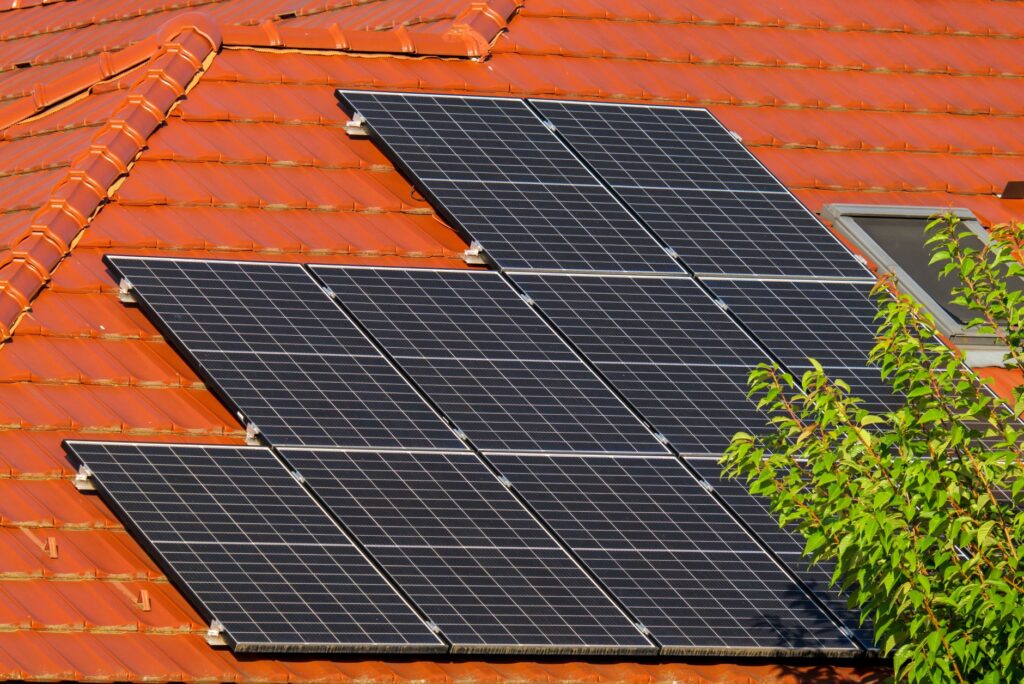
How Much Do Solar Panels Cost in 2024? Complete Pricing Guide
Solar panels have become increasingly affordable over the past decade, but understanding the true cost of going solar remains confusing for most homeowners. Whether you’re curious about the upfront investment, monthly payments, or long-term savings, this guide covers everything you need to know about solar panel costs in 2024. (Related: Federal Home Energy Tax Credits: A Guide to Claiming Expiring Solar Installation Incentives Before the Deadline) (Related: Solar Savings Calculator: Estimate Your Payback Period) (Related: Complete Guide to Solar Property Tax Exemptions by State 2026) (Related: How Permitting Costs Impact Solar ROI Calculations and What Automation Could Mean for Your Savings) (Related: Grid Tie vs Off Grid Solar: Which System Saves More?) (Related: Solar Loan Interest Rates 2026: The Complete Comparison Guide)
The average residential solar panel system costs between $15,000 and $25,000 before incentives, with most homeowners paying around $2.50 to $3.50 per watt after factoring in installation labor, permits, and equipment. However, your actual cost depends on several critical factors including your location, roof size, local electricity rates, and available tax credits.
Understanding the Average Cost of Solar Panels
The total cost of a solar panel system breaks down into three main components: the panels themselves, the inverter, and installation labor. Solar panels typically represent 40 to 50 percent of the total system cost, with the inverter accounting for 10 to 15 percent, and installation and soft costs making up the remainder.
In 2024, high-quality residential solar panels cost between $1.00 and $1.50 per watt before installation. A typical 6-kilowatt system requires approximately 15 to 18 panels and costs $6,000 to $9,000 for equipment alone. Installation labor and permitting fees add another $4,000 to $8,000 to your total project cost, depending on your region and roof complexity.
Regional variations significantly impact pricing. Homeowners in states with high electricity costs and strong solar incentives, like California, Massachusetts, and New York, often see faster payback periods despite higher upfront costs. States with lower labor costs and simpler permitting processes may offer lower installation fees but potentially longer payback timelines.
Factors That Influence Your Solar Panel Cost
Your specific solar panel cost depends on multiple interconnected factors that extend far beyond the basic price per watt. Understanding these variables helps you estimate your project more accurately.
System size and energy needs: Larger homes with higher electricity consumption require bigger systems and cost more upfront. A 5-kilowatt system suitable for modest usage might cost $12,500 to $17,500, while a 10-kilowatt system for energy-intensive homes could reach $25,000 to $35,000 before incentives.
Panel quality and efficiency: Premium panels from manufacturers like LG, Sunpower, or Panasonic offer higher efficiency ratings (20 to 22 percent) and longer warranties but cost 15 to 25 percent more than standard panels (15 to 18 percent efficiency). Standard panels work perfectly for most homeowners, while premium options suit those with limited roof space.
Roof condition and complexity: New roofs or straightforward installations cost less than systems requiring roof repairs or complex mounting on multiple angles. Reroofing before solar installation adds $5,000 to $15,000 but extends your system’s lifespan and protects your investment.
Labor and location: Labor costs vary dramatically by region, from $0.50 to $1.50 per watt. Urban areas with experienced installers and competition typically cost less than rural regions with fewer solar companies. Your state’s prevailing wage laws and permit requirements also affect final pricing.
Local incentives and rebates: Federal tax credits, state rebates, performance incentives, and utility company programs reduce your actual out-of-pocket cost. The federal Investment Tax Credit currently covers 30 percent of your system cost, meaning a $20,000 system nets a $6,000 credit on your federal taxes.
Solar Panel Cost Financing Options
Most homeowners don’t pay cash for solar panels. Instead, they choose from three primary financing models, each affecting your true cost differently.
Solar loans: Financing your system through a dedicated solar loan lets you own the equipment immediately while spreading payments over 5 to 20 years. Monthly payments typically range from $150 to $300 for average residential systems, and you receive tax credits and all performance incentives. Your total interest paid might add 15 to 30 percent to your base system cost depending on your credit score and loan terms.
Solar leases and power purchase agreements (PPAs): Leasing requires little to no upfront cost, with monthly payments starting around $100 to $200. However, leased systems remain the property of the leasing company, meaning you miss out on tax credits and some rebates. Over a 20 to 25-year lease, you’ll pay $24,000 to $60,000 total.
Cash purchase: Paying upfront eliminates interest charges and maximizes your savings over time. You receive all available incentives immediately, and your payback period typically ranges from 7 to 12 years depending on local electricity rates. After payback, your system generates essentially free electricity for decades.
How to Calculate Your Actual Solar Panel Cost
Determining your personalized solar panel cost requires understanding your current electricity usage and local utility rates. Most homeowners use between 15,000 and 30,000 kilowatt-hours annually. At the national average of $0.14 per kilowatt-hour, that represents an annual electricity bill of $2,100 to $4,200.
Once you know your annual electricity consumption, divide by 1,200 (the average annual kilowatt-hours per kilowatt of installed capacity, accounting for weather and sun exposure) to determine your needed system size. A homeowner using 24,000 kilowatt-hours yearly would need approximately 20 kilowatts of solar panels, representing a $50,000 to $70,000 investment before incentives.
Subtract applicable incentives from your gross cost. After the federal 30 percent tax credit on a $50,000 system, you’d owe $35,000. State rebates might reduce this further by $3,000 to $8,000, bringing your net cost to $27,000 to $32,000.
This is where working with professional estimators becomes invaluable. They account for your roof’s orientation and shading, your specific local electricity rates, regional labor costs, and available incentive programs. Our free solar savings calculator analyzes all these factors to provide accurate cost estimates and long-term savings projections tailored to your property and situation.
Long-Term Solar Panel Cost and Savings
Understanding solar panel cost only matters in context of your long-term savings. Most homeowners save $10,000 to $30,000 over the system’s 25-year lifespan, with annual savings ranging from $400 to $1,500 depending on system size and local electricity rates.
In high-cost electricity regions like Hawaii or California, homeowners save significantly more. A 6-kilowatt system in California might save $1,500 to $2,000 annually, yielding $37,500 to $50,000 in total 25-year savings. In states with cheaper electricity, the same system might save only $600 to $800 yearly, totaling $15,000 to $20,000 over time.
Beyond direct electricity savings, solar panels increase your home’s value by approximately $3 to $4 per watt of installed capacity. A 6-kilowatt system adds $18,000 to $24,000 to your home’s resale value, according to research from the National Renewable Energy Laboratory. This benefit accrues regardless of your financing method.
Frequently Asked Questions
What is the average cost of solar panels for a typical home?
The average residential solar panel system costs between $15,000 and $25,000 before the federal tax credit, which covers 30 percent of your total cost. After incentives, most homeowners pay $10,500 to $17,500 for a complete 6-kilowatt system including installation, permitting, and equipment. Your actual cost varies significantly based on your location, roof size, and local labor rates.
Do solar panels cost more in some states than others?
Yes, solar installation costs vary dramatically by state due to differences in labor costs, permitting processes, and competition among installers. States like California and Massachusetts have lower per-watt costs ($2.40 to $2.80) due to mature solar markets, while smaller states may charge $3.00 to $3.50 per watt. However, higher-cost states often have better electricity rates and stronger incentive programs that improve your overall return on investment.
Can I afford solar panels if I can’t pay cash upfront?
Absolutely. Solar loans, leases, and power purchase agreements make solar accessible without large upfront costs. Solar loans typically cost $150 to $300 monthly and let you own the system while accessing all tax credits. Leases require no down payment but limit your incentive eligibility. Many financing options result in monthly solar payments lower than your current electricity bill.
How quickly will solar panels pay for themselves?
The typical residential solar system pays for itself in 7 to 12 years through electricity savings, though this varies significantly by location and financing method. In high-cost electricity states like Hawaii or Massachusetts, payback occurs in 5 to 7 years. In lower-cost electricity regions, expect 12 to 15 years. After payback, your system continues generating savings for 15 to 20 additional years.
Are there additional costs beyond the initial solar panel installation?
Solar systems require minimal maintenance, typically just occasional cleaning costing $100 to $300 annually. Some homeowners upgrade their electrical panel ($1,000 to $3,000) if it cannot handle solar integration. Inverters usually last 10 to 15 years and cost $2,000 to $4,000 to replace. Most systems include 25-year warranties covering equipment defects, and your homeowner’s insurance covers physical damage.
Use Our Free Solar Savings Calculator
{
“@context”: “https://schema.org”,
“@type”: “FAQPage”,
“mainEntity”: [
{
“@type”: “Question”,
“name”: “What is the average cost of solar panels for a typical home?”,
“acceptedAnswer”: {
“@type”: “Answer”,
“text”: “The average residential solar panel system costs between $15,000 and $25,000 before the federal tax credit, which covers 30 percent of your total cost. After incentives, most homeowners pay $10,500 to $17,500 for a complete 6-kilowatt system including installation, permitting, and equipment. Your ac”
}
},
{
“@type”: “Question”,
“name”: “Do solar panels cost more in some states than others?”,
“acceptedAnswer”: {
“@type”: “Answer”,
“text”: “Yes, solar installation costs vary dramatically by state due to differences in labor costs, permitting processes, and competition among installers. States like California and Massachusetts have lower per-watt costs ($2.40 to $2.80) due to mature solar markets, while smaller states may charge $3.00 t”
}
},
{
“@type”: “Question”,
“name”: “Can I afford solar panels if I can’t pay cash upfront?”,
“acceptedAnswer”: {
“@type”: “Answer”,
“text”: “Absolutely. Solar loans, leases, and power purchase agreements make solar accessible without large upfront costs. Solar loans typically cost $150 to $300 monthly and let you own the system while accessing all tax credits. Leases require no down payment but limit your incentive eligibility. Many fina”
}
},
{
“@type”: “Question”,
“name”: “How quickly will solar panels pay for themselves?”,
“acceptedAnswer”: {
“@type”: “Answer”,
“text”: “The typical residential solar system pays for itself in 7 to 12 years through electricity savings, though this varies significantly by location and financing method. In high-cost electricity states like Hawaii or Massachusetts, payback occurs in 5 to 7 years. In lower-cost electricity regions, expec”
}
},
{
“@type”: “Question”,
“name”: “Are there additional costs beyond the initial solar panel installation?”,
“acceptedAnswer”: {
“@type”: “Answer”,
“text”: “Solar systems require minimal maintenance, typically just occasional cleaning costing $100 to $300 annually. Some homeowners upgrade their electrical panel ($1,000 to $3,000) if it cannot handle solar integration. Inverters usually last 10 to 15 years and cost $2,000 to $4,000 to replace. Most syste”
}
}
]
}
Recommended Resources:
- Kill-A-Watt Electricity Usage Monitor — Helps homeowners measure current energy consumption before going solar, essential for understanding baseline costs and calculating potential savings from solar installation.
- Solar Panel Cleaning Kit — Complements solar panel investment by helping homeowners maintain efficiency and maximize long-term savings discussed in the pricing guide.
- Home Energy Monitor System — Allows users to track real-time electricity usage and monitor solar system performance, helping validate ROI calculations mentioned in the pricing guide.
- Kill-A-Watt Electricity Usage Monitor — Helps homeowners measure current energy consumption before going solar, essential for understanding baseline costs and calculating potential savings from solar installation.
- Solar Panel Cleaning Kit — Complements solar panel investment by helping homeowners maintain efficiency and maximize long-term savings discussed in the pricing guide.
- Home Energy Monitor System — Allows users to track real-time electricity usage and monitor solar system performance, helping validate ROI calculations mentioned in the pricing guide.