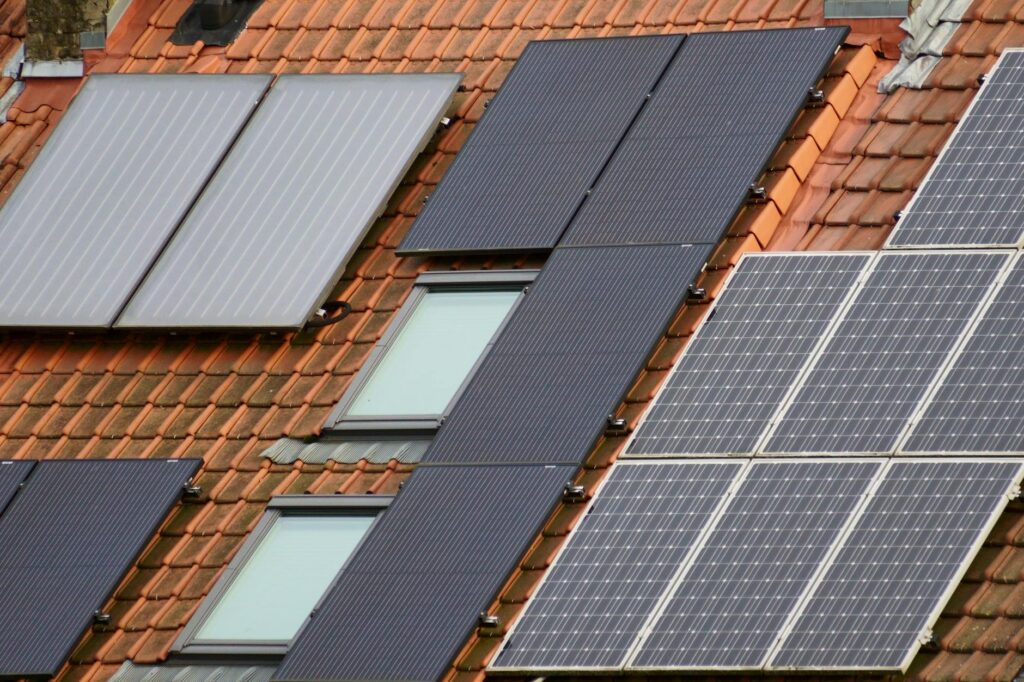
Solar energy has transformed from a niche investment into a mainstream way for homeowners to reduce electricity bills and build long-term wealth. If you’re wondering how much you can actually save by going solar, you’re asking the right question. The answer depends on your location, home energy use, roof condition, and local electricity rates—but most homeowners see savings between $10,000 and $30,000 over 25 years.
This guide breaks down the real numbers behind solar energy savings, shows you how to calculate your potential returns, and explains the key factors that determine whether solar is right for your home.
Understanding Solar Energy Savings Basics
Solar energy savings refers to the money you keep by generating your own electricity instead of buying it all from your utility company. When you install rooftop solar panels, they convert sunlight into usable electricity, reducing—or sometimes eliminating—your monthly electric bill.
The amount you save depends directly on three factors: how much sunlight your roof receives, how much electricity you currently use, and what your utility charges per kilowatt-hour (kWh). A homeowner in Arizona using 800 kWh per month might save $150 to $200 monthly, while a homeowner in Florida using the same amount might save $120 to $160 monthly due to lower electric rates.
Beyond immediate bill reductions, solar panels increase your home’s resale value. Studies show homes with solar panels sell for 3% to 4% more than comparable homes without them, adding another layer of long-term savings.
How Much Do Solar Panels Cost and What Are the Payback Timelines?
The average cost of a residential solar installation ranges from $15,000 to $25,000 before incentives for a 5 to 8 kW system. After applying the federal Investment Tax Credit (ITC), which currently covers 30% of installation costs, homeowners typically spend $10,500 to $17,500 out of pocket.
Your payback period—the time it takes for your system to pay for itself through energy savings—usually falls between 5 and 12 years, depending on your location and electricity rates. In high-cost states like California and New York, payback periods often reach just 5 to 7 years. In lower-cost states, they may extend to 10 to 12 years.
Once your system is paid off, the electricity it produces is essentially free. Since solar panels typically last 25 to 30 years, you could enjoy 13 to 20+ years of nearly free electricity after breaking even. That’s real, compounding savings that grows each year as utility rates inevitably rise.
Federal and State Incentives That Boost Your Savings
The 30% federal Investment Tax Credit is the single largest incentive available to homeowners. This tax credit reduces your federal income tax liability dollar-for-dollar by 30% of your total installation costs. If your system costs $20,000, you receive a $6,000 credit, cutting your out-of-pocket expense to just $14,000.
Beyond the federal credit, many states offer additional rebates, tax credits, and performance incentives. New York’s Residential Solar Tax Credit covers up to 25% of system costs. California’s self-generation incentive program pays homeowners for excess solar energy sent back to the grid. Massachusetts offers performance-based incentives that pay you for each kWh your system generates.
Some utilities also provide rebates ranging from $500 to $5,000 or more. Before installing solar, check the Database of State Incentives for Renewables and Efficiency (DSIRE) to find every available incentive in your area. Combined incentives can reduce your net cost by 40% to 50%, dramatically shortening your payback period.
Calculating Your Personal Solar Energy Savings
To estimate your household’s specific savings potential, you need three pieces of information: your annual electricity consumption (found on your utility bill), your current average electricity rate per kWh, and your location’s average daily sunlight hours.
Here’s a practical example. Suppose you use 10,000 kWh annually and pay $0.14 per kWh—your annual electricity bill is roughly $1,400. A properly sized solar system in your area might generate 8,000 to 9,000 kWh annually (accounting for cloudy days and system inefficiencies). If your system generates 8,500 kWh, you save approximately $1,190 per year. Over 25 years, that’s $29,750 in savings, before accounting for rising electricity rates.
Most homeowners don’t generate 100% of their annual electricity with solar because weather, seasonal variations, and system orientation mean some grid electricity is still needed. However, net metering policies in most states allow you to earn credits for excess daytime solar production, further boosting your savings.
The easiest way to get a personalized estimate for your home is to use a solar savings calculator that factors in your address, roof characteristics, and utility rates. Our free solar savings calculator provides instant estimates showing your potential monthly savings, system payback period, and total 25-year savings in just a few clicks.
Long-Term Wealth Building with Solar Energy
Beyond the first 25 years, solar energy savings compound in powerful ways. After your system is paid off, you’re generating electricity at essentially zero marginal cost. As grid electricity rates continue climbing—historically rising 2% to 3% annually—your effective savings accelerate.
Homeowners who installed solar 10 years ago at average rates of $0.12 per kWh are now benefiting as rates in many regions have jumped to $0.15 to $0.18 per kWh. They locked in electricity costs that have become increasingly valuable. New solar owners today can expect similar long-term wealth protection as rates inevitably rise further.
Additionally, solar panels require minimal maintenance—mostly occasional cleaning and professional inspections every few years at $150 to $300 per visit. Inverters typically last 10 to 15 years and may need replacement mid-system life for $1,500 to $3,000, but this cost is far outweighed by cumulative electricity savings.
Factors That Affect Your Solar Energy Savings
Location and sunlight exposure: Homes in sunnier climates generate more electricity per installed kilowatt and enjoy faster payback periods. Southern-facing roofs with minimal shade typically produce 20% to 30% more energy than roofs with significant tree coverage or northern orientation.
Electricity rates: Higher local electricity rates make solar more economical. States with rates above $0.15 per kWh see dramatically faster payback periods than states charging $0.10 per kWh.
System size and roof space: Larger systems generate more electricity and produce greater total savings, but they also cost more upfront. Most homeowners size systems to cover 80% to 100% of annual electricity consumption.
Roof age and condition: Older roofs may need replacement before solar installation, adding $5,000 to $15,000 to upfront costs. Newer roofs ensure your panels remain productive for their full 25 to 30 year lifespan.
Frequently Asked Questions
How quickly do solar panels pay for themselves?
Most solar systems pay for themselves in 5 to 12 years depending on your location, electricity rates, and incentives. In high-cost energy states like California and Massachusetts, payback often occurs in 5 to 7 years. After payback, you enjoy free electricity for the remaining 15 to 20+ years of your system’s life.
Do solar panels work on cloudy days?
Yes, solar panels generate electricity on cloudy days, though output drops by 25% to 50% compared to sunny days. Systems are designed to handle cloud cover, and net metering ensures you benefit from excess sunny-day production. Total annual generation accounts for your region’s cloud patterns and seasonal variations.
Can I go completely off-grid with solar?
True off-grid systems are possible but require battery storage, increasing costs to $25,000 to $40,000+ beyond panel installation. Most homeowners stay grid-connected to enjoy cheaper electricity and use the grid as backup storage. Grid-connected systems typically offer better financial returns.
What happens to my savings if I sell my home?
Homes with solar panels sell for 3% to 4% more than comparable homes without them. If you’ve paid off your system, the buyer assumes the remaining 10+ years of free electricity. If your system is financed through a loan, the new owner typically takes over the loan agreement.
How do I know if my roof is suitable for solar?
Your roof needs adequate south-facing (or southeast/southwest-facing) space receiving at least 4 to 5 peak sunlight hours daily. Most residential roofs work fine. Professional installers conduct free site assessments checking roof age, structural integrity, shade patterns, and local building codes to confirm suitability.
Conclusion
Solar energy savings are real, quantifiable, and accessible to most homeowners. By reducing or eliminating your electricity bills, qualifying for federal and state incentives, and building long-term wealth as utility rates rise, solar represents one of the smartest financial investments available today. The average homeowner saves $10,000 to $30,000 over 25 years, with some homeowners seeing substantially higher returns in premium solar markets.
Your personal savings potential depends on your specific location, electricity usage, and roof characteristics. That’s why getting an accurate estimate tailored to your home is the essential first step.
Use Our Free Solar Savings Calculator
Stop guessing about your solar energy savings potential. Head to solarestimatorpro.com and use our free solar savings calculator to discover exactly how much money you could save with solar panels
- Kill A Watt Electric Usage Monitor — Helps homeowners measure their current electricity consumption, which is essential for calculating potential solar savings mentioned in the guide
- Home Energy Audit Kit — Allows homeowners to assess energy efficiency before going solar, directly supporting the guide’s emphasis on understanding energy use patterns
- Solar Savings Calculator Software/Tools — Complements the guide’s focus on calculating savings by providing tools to track solar production and compare it against traditional electricity costs