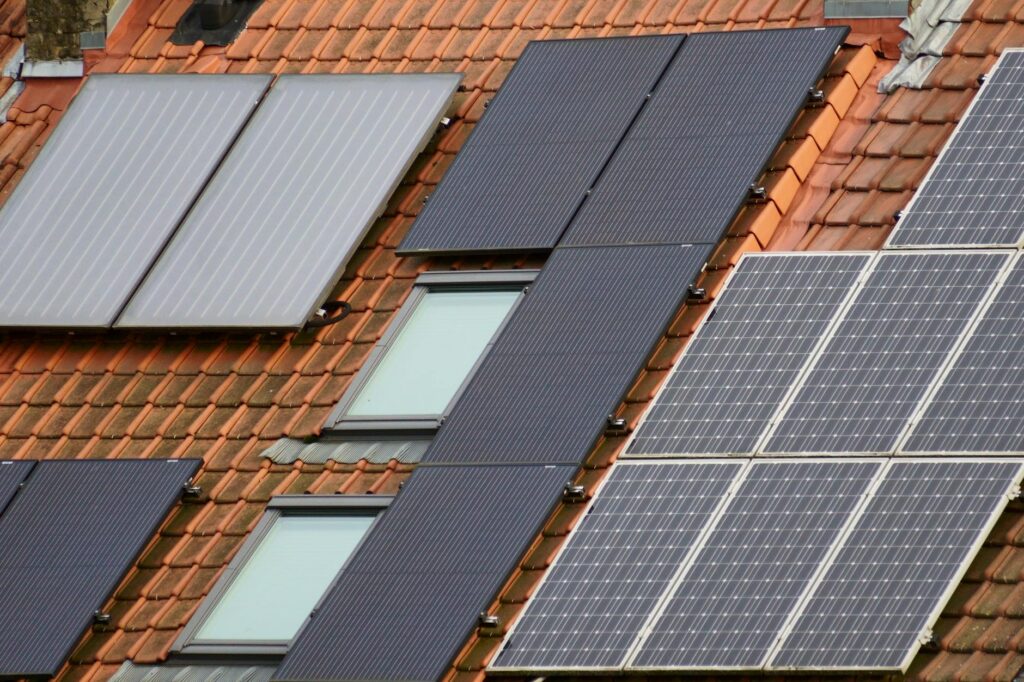
Solar energy has become one of the most effective ways for homeowners to reduce electricity costs and build long-term wealth through energy savings. But understanding exactly how much you can save with solar panels requires looking at multiple factors, from your current electricity rates to your geographic location and roof condition. This guide walks you through everything you need to know about solar energy savings, including realistic numbers, calculation methods, and how to maximize your return on investment.
Understanding Solar Energy Savings Basics
Solar energy savings come from one fundamental principle: every kilowatt-hour your panels generate is one kilowatt-hour you don’t need to buy from your utility company. The average American household uses about 877 kilowatt-hours per month, costing between $120 and $200 depending on regional electricity rates. When you install a solar panel system, you’re essentially creating your own power plant on your roof, eliminating most or all of those monthly bills.
The total amount you save depends on three key variables: your current electricity rate, how much sunlight hits your roof, and the size of your system. A homeowner in California paying $0.18 per kilowatt-hour will see dramatically different savings compared to someone in Oklahoma paying $0.10 per kilowatt-hour, even with identical solar systems. This is why personalized calculations matter far more than generic estimates.
How Much Do Homeowners Typically Save?
The average homeowner saves between $10,000 and $30,000 over the lifetime of a solar panel system, which typically lasts 25 to 30 years. However, this range is broad because savings vary significantly based on location and system size. Homeowners in high-cost electricity states like Hawaii, Massachusetts, and California often see lifetime savings exceeding $50,000, while those in lower-cost states might save $8,000 to $15,000.
On an annual basis, a typical 5-kilowatt residential solar system generates $1,000 to $1,500 in electricity savings per year in moderate-cost states. This number increases to $2,000 to $3,000 annually in high-cost states. These savings are not one-time payments-they compound year after year. Additionally, solar panel systems increase home resale value by approximately 4% on average, meaning you recover your investment even before considering electricity bill reductions.
It’s important to account for system degradation, which typically occurs at a rate of 0.5% per year. This means your panels produce slightly less electricity each year, but the effect is minimal and shouldn’t discourage your investment.
The Role of Government Incentives in Your Savings
Federal and state incentives dramatically amplify your solar energy savings. The federal Investment Tax Credit (ITC) currently allows you to deduct 30% of your solar installation costs from your federal taxes-a significant subsidy that wasn’t available just a few years ago. For a $15,000 system, this translates to a $4,500 tax credit, effectively reducing your net cost to $10,500.
Beyond the federal tax credit, many states offer additional incentives including rebates, state tax credits, and performance-based incentives. New York’s Megawatt solar program, for example, provides cash rebates that accelerate payback periods by 3 to 5 years. Some utilities offer net metering, which credits you for excess electricity your system sends back to the grid, further boosting savings.
Always research incentives specific to your location before making decisions. The incentive landscape changes frequently, and staying informed ensures you capture every dollar of savings available to you.
Calculating Your Personal Solar Energy Savings
To calculate your specific solar energy savings, you need your current electricity bill, your roof’s sun exposure, and your local installation costs. Start by reviewing your annual electricity consumption, found on any of your monthly utility bills. Next, determine your electricity rate-typically measured in dollars per kilowatt-hour. A homeowner using 10,000 kilowatt-hours annually at $0.15 per kilowatt-hour pays $1,500 yearly in electricity costs.
A properly sized solar system in a sunny location generates approximately 1.3 to 1.6 kilowatt-hours per installed kilowatt per day, meaning a 5-kilowatt system produces 6,500 to 8,000 kilowatt-hours annually. Subtract system degradation and weather variability, and you’re looking at roughly 6,000 kilowatt-hours per year for that same 5-kilowatt system in an average-sun location. If your rate is $0.15 per kilowatt-hour, that translates to $900 in annual savings.
Installation costs vary from $2.50 to $3.50 per watt after incentives, making a 5-kilowatt system cost approximately $12,500 to $17,500 before tax credits. With the 30% federal tax credit, your out-of-pocket cost drops to roughly $8,750 to $12,250. With $900 in annual savings, your payback period ranges from 9.7 to 13.6 years-meaning you’ll enjoy free electricity for the remaining 12 to 20+ years of your system’s life.
Maximizing Your Solar Energy Savings
To get the most from your solar investment, follow these proven strategies. First, get multiple quotes from reputable installers-the difference between quotes can easily exceed $3,000 for identical systems, directly impacting your savings timeline. Second, ensure your home is energy-efficient before going solar. Adding insulation, upgrading HVAC systems, and switching to LED lighting reduces your electricity needs and allows you to install a smaller (cheaper) solar system while meeting your energy goals.
Third, consider battery storage if you experience frequent power outages or have time-of-use rates that charge more during peak hours. A solar battery system costs $8,000 to $12,000 but can pay for itself in 10 to 15 years while providing backup power. Finally, maintain your system with annual professional inspections and quarterly cleaning-dirty panels lose 15 to 25% efficiency in dusty climates.
Frequently Asked Questions
How long does it take to recoup a solar panel investment?
The typical payback period ranges from 6 to 12 years, depending on your electricity rates, sunlight exposure, and system size. Homeowners in high-cost states like California often break even in 5 to 7 years, while those in lower-cost areas might need 10 to 15 years. After payback, you enjoy virtually free electricity for the remaining 15 to 25 years of your system’s operational life.
Do solar panels work in cloudy climates?
Yes, solar panels generate electricity even on cloudy days, though output is reduced by 25 to 50% compared to sunny conditions. Locations like the Pacific Northwest and Northeast still see excellent solar potential because panel efficiency has improved dramatically. Your solar energy savings may be lower than in sunnier regions, but the investment remains worthwhile in most climates.
What happens to my solar savings if I sell my home?
Homes with solar panels sell for approximately 4% more on average, effectively transferring your investment’s value to your sale price. In many states, solar equipment is exempt from property tax increases, meaning you gain home value without increased tax burden. The new homeowner inherits the remaining system lifespan and continues receiving energy savings.
Can I get solar panels with no upfront costs?
Yes, solar leases and power purchase agreements (PPAs) require no down payment. However, you’ll save less money overall because the installer retains tax credits and long-term savings. Purchasing a system outright or financing it through a loan typically provides 20 to 40% greater lifetime savings compared to leasing arrangements.
How much do solar panels cost per watt today?
Current pricing ranges from $2.50 to $3.50 per watt after the 30% federal tax credit, making a typical 5-kilowatt system cost $12,500 to $17,500. Before tax credits, expect $15,000 to $25,000 for a residential system. Prices continue declining, though labor and hardware costs have stabilized after several years of rapid reduction.
Conclusion
Solar energy savings represent one of the most accessible ways for homeowners to reduce monthly expenses while building energy independence. With federal incentives covering 30% of costs and typical payback periods of 6 to 12 years, the financial case for solar has never been stronger. Whether you save $8,000 or $50,000 depends on your specific situation, but nearly every homeowner benefits from solar installations when they account for current incentives and 25+ year system lifespans.
The path forward starts with understanding your personalized numbers. Every roof receives different sunlight, every utility charges different rates, and every installation costs slightly different amounts.
Use Our Free Solar Savings Calculator
Stop guessing about solar energy savings and get precise numbers for your home today. Visit solarestimatorpro.com and use our free solar savings calculator to discover your exact potential savings in dollars, your payback timeline, and year-by-year electricity cost reductions. Simply enter your address and recent electricity bill, and our tool instantly calculates your personalized solar economics including federal tax credits, local incentives, and 25-year projections. Get started right now-the calculator takes less than two minutes and provides the authoritative numbers you need to make a confident solar investment decision.
- Kill A Watt Electricity Usage Monitor — Helps homeowners measure current electricity consumption before installing solar, essential for calculating potential savings accurately
- Solar Panel Installation Estimate Software/Tools — Complements the guide by helping readers assess their roof and understand local solar potential before getting quotes
- Home Energy Audit Kit — Allows homeowners to identify energy waste and optimize consumption patterns to maximize ROI on solar installations
Related: 7 Ways Solar Incentives Save You Money by State in 2025
Related: How Solar Energy Provides Price Stability Compared to Volatile Oil Markets
Related: How Much Do Solar Panels Cost? A 2024 Guide to Pricing and Savings