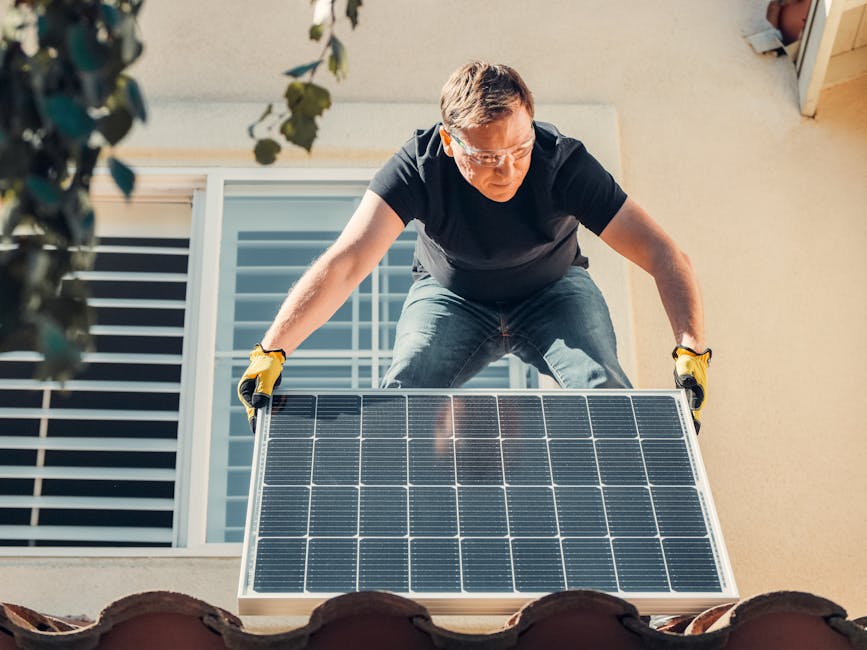
Most modern solar panels last 25-30 years, with many producing 80-90% of their original capacity after 25 years. Premium panels can exceed 35 years. Proper maintenance and installation quality significantly impact actual lifespan and long-term energy output.
What is the Average Solar Panel Lifespan?
When homeowners invest in solar energy, one of the first questions they ask is: “How long do solar panels last?” The answer is encouraging. Modern residential solar panels typically operate for 25-30 years, with many systems producing meaningful electricity well beyond their warranty period.
The industry standard for solar panel lifespan has evolved significantly over the past decade. Today’s panels are engineered to withstand decades of exposure to UV radiation, temperature fluctuations, and weather conditions. Most manufacturers design panels expecting them to retain 80-90% of their original output capacity at the 25-year mark.
However, “lifespan” doesn’t mean panels stop working after 25 years. Many installations continue generating electricity at reduced capacity for 35+ years. The key distinction is between the warranty period (typically 25-30 years) and the actual operational lifespan, which often exceeds manufacturer guarantees.
According to the U.S. Department of Energy’s Solar Energy Technologies Office, silicon-based photovoltaic panels—the most common residential type—demonstrate remarkable longevity with proper installation and maintenance.
Factors That Affect Solar Panel Longevity
Solar panel durability depends on several interconnected factors. Understanding these elements helps homeowners protect their investment and maximize long-term returns.
Installation Quality
Professional installation is paramount to solar panel longevity. Panels installed by certified technicians with proper mounting systems, electrical connections, and ventilation perform significantly better than poorly installed systems. Poor installation can lead to premature degradation, water infiltration, and safety hazards.
Climate and Environmental Conditions
Your geographic location dramatically affects solar panel durability. Panels in harsh climates—areas with extreme temperature swings, high humidity, salt spray, or frequent hail—experience accelerated wear. Conversely, panels in moderate climates with stable weather patterns maintain performance longer.
Maintenance Practices
Regular maintenance extends solar panel lifespan considerably. Annual inspections, periodic cleaning to remove dust and debris, and prompt repairs of any damage help systems maintain peak performance. Most homeowners can expect modest maintenance costs—typically under $300 annually—that pale in comparison to the long-term benefits.
Manufacturing Quality
Premium manufacturers invest in superior materials, rigorous testing, and advanced manufacturing processes. While these panels cost more upfront, their extended lifespan and better degradation rates often provide superior lifetime value.
Understanding Solar Panel Degradation
Do solar panels degrade over time?
Yes, all solar panels experience gradual degradation, but modern panels degrade much more slowly than older technologies. The typical degradation rate is 0.5-0.8% per year for quality panels, meaning a panel producing 300 watts initially will produce approximately 296-298 watts the following year.
This degradation is natural and expected. After 25 years of operation at standard degradation rates, panels typically retain 80-90% of original capacity. This means a system that produces 10 kilowatt-hours daily in year one might generate 8-9 kilowatt-hours daily in year 25—still generating substantial electricity and providing meaningful energy savings.
Degradation accelerates when panels experience extreme stress: physical damage, poor ventilation causing overheating, water intrusion, or defects in manufacturing. This is why quality installation and regular maintenance are crucial investments.
What happens to solar panels after 25 years?
At the 25-year mark, panels operate at reduced capacity but continue generating electricity. Many systems remain economically viable because the electricity they produce still has substantial value, and the panels have no remaining loan balance or financing obligations.
System owners have options: continue operating the aging panels, upgrade to modern panels with higher efficiency, or replace specific components like inverters that may have reached their lifespan (typically 10-15 years). Modern panels installed today often justify replacement or upgrades after 25-30 years due to dramatic efficiency improvements in newer models.
Solar Panel Warranties Explained
Understanding solar panel warranty years is essential to your investment decision. Warranties provide a safety net and indicate manufacturer confidence in their product’s solar panel durability.
Most manufacturers offer two types of warranties: product warranties (covering defects and degradation) and workmanship warranties (covering installation issues). Standard product warranties are 25-30 years, guaranteeing panels will produce at least 80-85% of original capacity at the warranty’s end.
Premium manufacturers sometimes offer extended warranties exceeding 35 years, reflecting their confidence in panel longevity. When comparing systems, review warranty terms carefully—some manufacturers degrade their warranty coverage year-by-year, while others maintain consistent coverage throughout the warranty period.
Check whether warranties are transferable if you sell your home. This significantly increases your property’s value and appeals to potential buyers.
Maximizing Your Solar Panel Investment Lifespan
Seven proven strategies extend your system’s operational life and maximize return on investment:
- Invest in professional installation: Certified installers familiar with local building codes and climate conditions ensure optimal system configuration.
- Choose quality equipment: Premium panels and inverters cost more initially but deliver superior long-term performance.
- Schedule annual maintenance: Professional inspections identify potential issues before they escalate.
- Keep panels clean: Quarterly cleaning removes dust, pollen, and debris that reduce efficiency.
- Monitor system performance: Use monitoring apps to track output and identify degradation or malfunction.
- Address repairs promptly: Small issues compound over time; fixing problems immediately prevents cascading failures.
- Plan for inverter replacement: Inverters typically last 10-15 years; budgeting for replacement ensures uninterrupted operation.
Comparing Solar Panel Lifespans by Brand
Not all manufacturers offer identical warranties or degradation rates. Premium brands typically guarantee lower degradation rates (0.5-0.6% annually) compared to budget alternatives (0.7-0.8% annually). Over 25 years, this seemingly small difference translates to measurable performance variations.
Research warranty terms, customer reviews, and degradation guarantees when selecting panels. The manufacturer’s financial stability matters—you want assurance the company will honor warranties decades into the future.
How to Use the Calculator
Understanding your specific payback period requires analyzing local electricity rates, available incentives, and your system’s size. Our solar ROI calculator helps you project lifetime energy savings based on realistic lifespan assumptions and your location’s solar potential.
For detailed analysis of how solar panel degradation affects your long-term returns, use our payback period calculator, which factors in annual degradation rates when projecting 25+ year performance.
Frequently Asked Questions
How long do residential solar panels typically last?
Modern residential solar panels last 25-30 years with 80-90% capacity retention. Many continue producing electricity beyond 30 years at reduced output levels. Premium panels occasionally exceed 35-year lifespans. Actual lifespan depends heavily on installation quality, maintenance, and environmental conditions.
Recommended Resources:- Solar Panel Cleaning Kit — Directly supports the post’s emphasis on maintenance as key to maximizing solar panel lifespan and energy output
- Home Energy Monitoring System — Helps homeowners track long-term energy output and performance of their solar investment over the 25-30+ year lifespan
- Solar Panel Surge Protector/Inverter Monitor — Essential maintenance tool that protects panels and monitors system health to ensure panels maintain 80-90% capacity throughout their lifespan