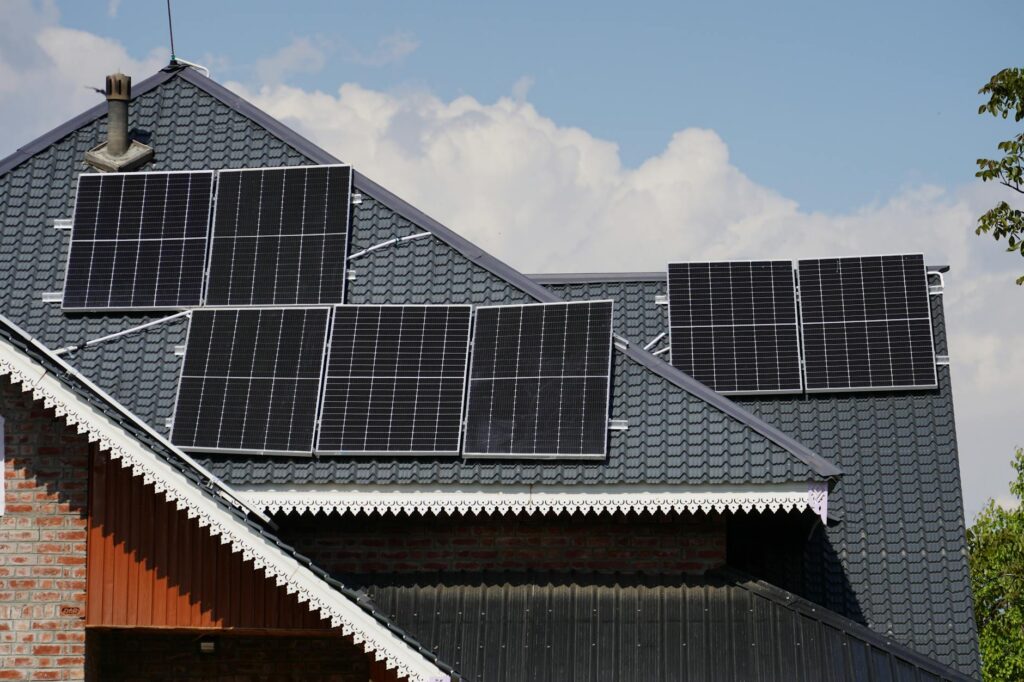
Home Solar Cost: Complete Guide to Pricing, Factors, and Savings in 2024
Installing solar panels on your home is one of the biggest energy investments you’ll ever make. Understanding home solar cost is essential before you commit to the transition. The price of a residential solar system varies dramatically depending on where you live, the size of your system, the equipment you choose, and current incentives available to you. This comprehensive guide breaks down every factor that influences what you’ll actually pay for solar panels and how much you can realistically save over time.
Average Home Solar Cost in 2024
The average cost to install a residential solar panel system in the United States ranges from $15,000 to $25,000 before incentives for a typical 5-kilowatt (kW) system. This translates to approximately $2.50 to $3.50 per watt after accounting for labor, equipment, permitting, and installation fees. However, regional variations are significant. California homeowners might pay on the lower end due to competition and state incentives, while rural areas with fewer installers may see higher costs.
A smaller 3 kW system might cost $9,000 to $15,000, while a larger 8 kW system could run $24,000 to $28,000. These prices have declined approximately 70 percent over the past decade, making solar more accessible than ever before. The federal Investment Tax Credit (ITC), currently at 30 percent, can reduce your upfront cost significantly, bringing a typical system down to around $10,500 to $17,500 after the tax credit is applied.
Key Factors That Influence Your Solar Cost
Your exact home solar cost depends on multiple interconnected variables. System size is the primary driver—measured in kilowatts, it’s determined by your annual electricity consumption and the amount of sun your roof receives. A household using 10,000 kWh annually will need a larger system than one using 5,000 kWh. Your installer calculates this based on utility bills and site conditions.
Roof condition and orientation significantly affect installation complexity and costs. South-facing roofs in areas with high sun exposure are ideal and less expensive to work with. Roofs requiring repairs, new shingles, or structural reinforcement add $1,000 to $5,000 to your project. The age of your roof matters too—solar installers won’t place panels on roofs nearing the end of their lifespan, so a roof replacement beforehand becomes necessary.
Equipment quality and brand selection create cost variation. Premium solar panels from Panasonic, SunPower, or LG might cost 15 to 25 percent more than standard panels from manufacturers like Canadian Solar or JinkoSolar, but they often offer better efficiency and longer warranties. Inverter type—string inverters, microinverters, or power optimizers—also influences total cost, with microinverters adding $2,000 to $4,000 but offering superior performance monitoring and shade tolerance.
Local labor rates and installer experience vary by region. Urban areas with multiple competing installers typically have lower labor costs than rural locations. Installation timelines also differ—a straightforward roof installation might take one to three days, while complex projects involving electrical upgrades or roof repairs can extend to several weeks.
Local permitting and interconnection fees are often overlooked but add $500 to $2,000 to your total. Some municipalities have streamlined processes and low fees, while others require extensive engineering reviews and impact studies. Battery storage, if you choose to add it, increases costs by $6,000 to $15,000 depending on capacity.
How to Reduce Your Home Solar Cost
Several proven strategies can lower what you pay for solar. Apply for the federal Investment Tax Credit immediately—this 30 percent tax credit applies to your system cost and can be carried over to future years if your tax liability is insufficient. State and local rebates vary widely; some states offer additional tax credits, production-based incentives, or performance payments worth $2,000 to $5,000.
Get multiple quotes from at least three installers. Comparing proposals helps you understand the market rate in your area and leverage competition. Don’t just compare price—evaluate warranty length (ideally 25 years on panels and 10 years on labor), equipment brands, and company reputation.
Optimize your system size by analyzing your actual electricity usage. Some homeowners oversizetheir systems unnecessarily, driving up costs. Others undersize and miss savings opportunities. A professional energy audit identifies where you’re wasting electricity and helps right-size the solar system to your real needs.
Consider financing options carefully. Cash purchases eliminate interest costs entirely but require significant upfront capital. Solar loans spread costs over 5 to 20 years and preserve tax credits for the homeowner. Leases and Power Purchase Agreements (PPAs) require no money down but typically offer lower savings over time. Many homeowners find loans strike the best balance.
Improve home efficiency first. Upgrading insulation, sealing air leaks, and replacing old HVAC systems can reduce your electricity needs by 10 to 30 percent, meaning you need a smaller (and cheaper) solar system while achieving the same dollar savings.
Understanding Your Long-Term Solar Savings
Home solar cost is only half the equation—you must understand what you’ll save. The average residential solar system generates $10,000 to $30,000 in electricity savings over 25 years, depending on system size, local electricity rates, and sun exposure. Homeowners in high-cost electricity areas like California, Hawaii, and Massachusetts see savings at the upper end of this range.
Your payback period—the time it takes for savings to equal your initial investment—typically ranges from 6 to 12 years. After the payback period, you’re essentially getting free electricity for the remaining 13 to 19 years of your panels’ productive life. This assumes you stay in your home; if you move, many loans are transferable to the new homeowner, and some states allow lease transfers.
Federal tax credits immediately reduce your out-of-pocket cost. State incentives, net metering policies, and rising electricity rates all enhance your financial returns. States with net metering allow excess solar generation to return to the grid in exchange for credits on your electricity bill, directly increasing annual savings.
Frequently Asked Questions
What is the average cost of solar panels for a 2,000 square foot home?
A typical 2,000 square foot home using about 10,000 to 12,000 kWh annually needs a 6 to 8 kW solar system, which costs $18,000 to $28,000 before the federal tax credit. After the 30 percent ITC, your net cost drops to approximately $12,600 to $19,600. Regional variations mean California homes might pay $16,000 to $22,000 while northeastern states could see $20,000 to $28,000.
Are there financing options that make solar affordable upfront?
Yes—solar loans, leases, and PPAs all reduce or eliminate upfront costs. Solar loans typically feature fixed rates and terms of 5 to 20 years, allowing you to retain tax credits and own the system outright. Leases and PPAs require $0 down but transfer ownership to the solar company, meaning lower long-term savings but immediate electricity bill reductions of 10 to 30 percent.
How do I estimate my home solar cost accurately?
Start by gathering recent utility bills showing monthly electricity usage in kWh. Next, get quotes from at least three certified installers in your area who will assess your roof, calculate system size, and provide itemized pricing. Finally, calculate your federal tax credit eligibility and research state and local incentives specific to your location.
Do solar panels increase home value?
Studies show homes with solar panels sell for approximately 4 to 6 percent more than comparable homes without solar. A $20,000 solar investment can add $50,000 to $100,000 in home value depending on local real estate markets. This premium increases in areas with higher electricity costs and strong environmental consciousness.
What hidden costs should I expect beyond the quoted price?
Common hidden costs include roof repairs (up to $5,000), electrical upgrades ($500 to $2,000), permit and inspection fees ($300 to $1,500), and homeowners insurance increases (typically $100 to $300 annually). Some installers bundle these; others charge separately. Always request a fully itemized quote that clarifies what’s included and what costs extra.
Conclusion
Understanding home solar cost is crucial for making an informed decision about residential solar installation. While upfront expenses range from $15,000 to $25,000 for a typical system, federal tax credits, state incentives, and long-term electricity savings make solar a financially sound investment for most homeowners. Your actual costs depend on system size, location, equipment quality, and financing method. By comparing multiple quotes, optimizing your system size, and exploring all available incentives, you can significantly reduce your out-of-pocket expenses and maximize your return on investment.
The key is taking action with accurate, personalized information. Every home’s situation is unique, and small variations in roof condition, electricity rates, or local incentives can shift your financial picture substantially. The longer you wait, the more you pay for grid electricity.
Use Our Free Solar Savings Calculator
Stop guessing about your home solar cost. Head to solarestimatorpro.com and use our free solar savings calculator to get instant, personalized estimates. Enter your address and recent electricity bills, and our tool calculates your potential system cost after federal and state incentives, estimates your annual electricity savings in dollars, and projects your payback period and 25-year cumulative savings. You’ll see exact figures for your home within seconds, not generic averages.
- Kill A Watt Electricity Usage Monitor — Helps homeowners measure current energy consumption before solar installation, essential for determining system sizing needs and calculating potential savings.
- Solar Roof Mounting Brackets & Hardware Kit — DIY homeowners researching solar costs often look for installation components; mounting hardware is a critical part of system costs discussed in pricing guides.
- Home Energy Audit Kit & Thermal Imaging Camera — Complements solar investment planning by identifying energy waste and inefficiencies, helping readers maximize ROI on their solar system investment.