Solar Power for Renters: Your Options Explained
Renters often assume solar energy isn’t an option, but several practical solutions exist that don’t require roof installation or property ownership. From portable solar panels to community solar programs, renters can access renewable energy and reduce their electricity costs. Let’s explore the realistic alternatives available to you.
Portable Solar Panels and Battery Systems
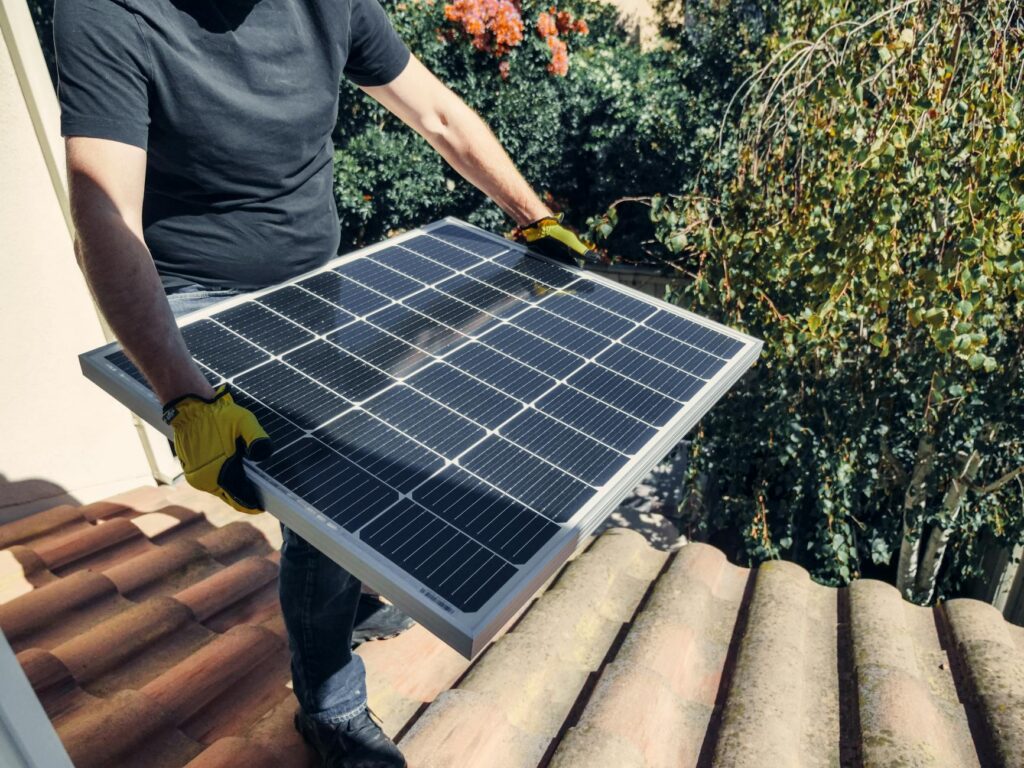
Portable solar solutions represent the most accessible entry point for renters. These systems consist of lightweight solar panels paired with portable battery storage, allowing you to generate and store electricity without any permanent installation.
Modern portable solar kits range from small 100-watt panels suitable for charging devices to larger 400-watt systems capable of powering essential appliances. The panels typically mount on a simple stand or lean against a sunny window, and you can relocate them seasonally or when moving apartments.
Advantages include zero landlord approval needed, portability between homes, and no installation costs. Battery components like lithium-ion portable power stations store energy for use during cloudy days or nighttime. While the upfront investment ranges from $500 to $3,000 depending on capacity, you’ll see returns through reduced electric bills over time.
The main limitation is capacity—portable systems generate less power than rooftop installations, making them ideal for supplementing grid electricity rather than replacing it entirely. They work best for renters committed to sustainable living while accepting modest energy contributions.
Community Solar Programs and Virtual Net Metering
Community solar represents a game-changing option for renters who want larger-scale renewable energy without roof access. These shared solar farms allow multiple residents to own or subscribe to portions of a single large solar installation, receiving credits on their electricity bills for their share of the power generated.
When a community solar facility produces electricity, your utility account receives credits for the power attributed to your subscription. This virtual net metering system works similarly to having rooftop solar, except the panels exist at a remote location optimized for maximum sun exposure.
Benefits include immediate access to solar power without installation, no maintenance responsibilities, and the ability to cancel subscriptions when moving. Monthly savings typically range from 10-30% of your electricity bill, depending on your location and local electricity rates.
Availability varies significantly by region. Northeast and West Coast states have robust community solar programs, while coverage remains limited in other areas. Check your local utility provider’s website or contact your city’s sustainability office to determine if programs operate in your area. Some programs have waitlists due to high demand, so early enrollment is worthwhile.
Working With Your Landlord on Rooftop Installation
Although less common, some renters successfully negotiate solar installations with landlords by presenting a compelling financial case. This approach requires landlord cooperation but offers the most substantial energy savings potential.
The key is demonstrating value to your landlord—increased property value, reduced utility costs, and potential tax incentives. Some landlords appreciate renewable energy improvements for sustainability reasons, while others respond to financial benefits. Property owners can claim solar tax credits and depreciation, creating mutual advantages.
If pursuing this route, propose a professional solar assessment to determine feasibility and costs. Offer to research local incentives and financing options that minimize the landlord’s out-of-pocket expenses. Frame the proposal as a property improvement that benefits both parties.
Document everything in writing through a lease amendment specifying installation terms, maintenance responsibilities, and removal procedures when you move. Clarify who benefits from tax credits and whether the system transfers to new tenants or gets removed.
Success depends on landlord attitude, local regulations, and property suitability. While not guaranteed, having this conversation costs nothing and may unlock significant savings opportunities.
How to Evaluate Your Solar Options Using Our Calculator
Determining which renter solar solution makes financial sense requires understanding your unique situation. Our solar savings calculator helps you input your current electricity usage, location, and available options to compare potential savings across different scenarios.
The calculator factors in your local electricity rates, sun exposure data, and equipment costs to project realistic returns. Even renters with portable systems can estimate savings by inputting smaller system capacities. This data-driven approach removes guesswork and reveals which option delivers the best financial outcome for your circumstances.
Frequently Asked Questions
Can I really save money with portable solar as a renter?
Yes, but savings depend on your system size and electricity usage. A 400-watt portable system generating 1,200-1,600 kWh annually could save $150-250 yearly at average U.S. electricity rates. Savings accumulate over the system’s 25-year lifespan, though smaller contributions mean longer payback periods compared to full rooftop installations. Portable systems work best when combined with energy-efficient habits like running appliances during peak solar production hours.
What happens to community solar credits if I move?
Most community solar programs allow you to transfer your subscription to a new address within the same utility service area, or cancel without penalty if moving outside coverage regions. Some programs charge modest cancellation fees, typically $25-50. Contact your program administrator before moving to understand specific policies and ensure continuity of service at your new location.
Do I need landlord permission for portable solar panels?
Technically, portable panels placed on balconies or patios in direct sunlight are your personal property requiring no landlord approval. However, checking your lease and communicating with management prevents potential conflicts. Most landlords have no objection to portable systems since they cause no property damage and remain removable. Community solar involves no property modifications, so approval isn’t necessary.
Making Your Decision
Renters have moved beyond limited energy options. Whether you choose portable systems for flexibility, community solar for substantial savings, or negotiated rooftop installation for maximum benefits, renewable energy is accessible at every rental stage.
Start by evaluating your priorities—upfront cost, monthly savings, portability, and long-term commitment. Use available tools and resources to compare scenarios specific to your location and electricity needs. Take action today to transition your home toward renewable energy, regardless of rental status.