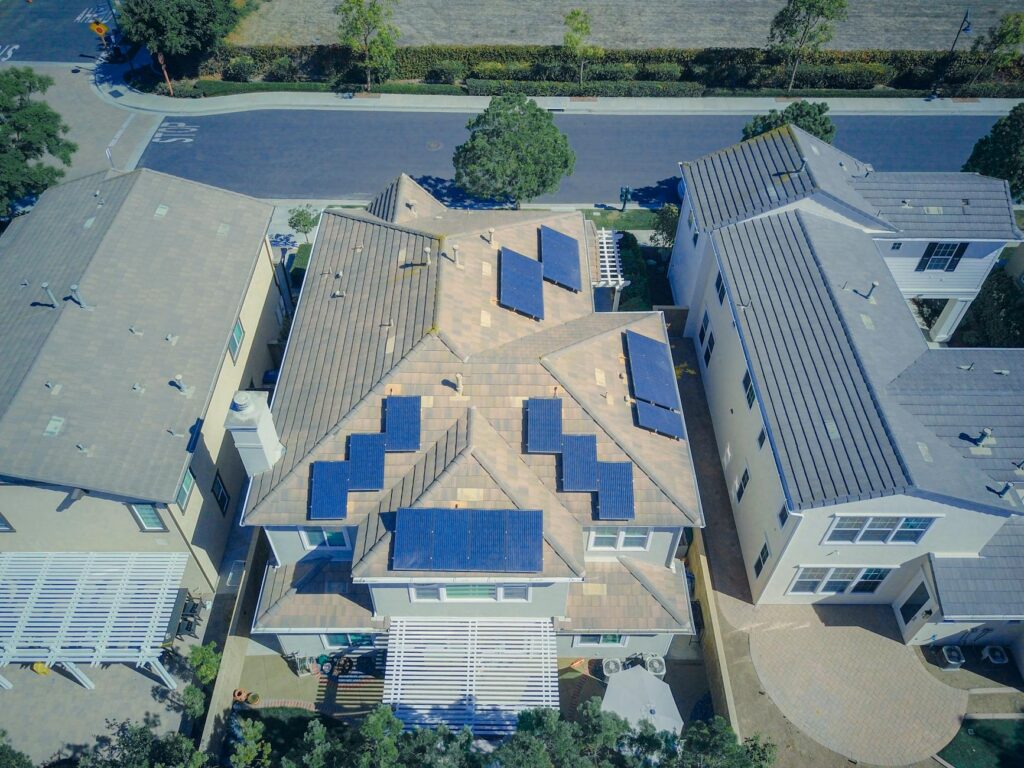
Home Solar Cost: Complete 2024 Guide to Pricing, Savings & ROI
Installing solar panels on your home represents one of the largest energy investments you’ll make, but understanding the true cost of home solar is essential before committing. Solar panel costs have dropped dramatically over the past decade, making residential solar more affordable than ever. Today, the average home solar system costs between $15,000 and $25,000 before incentives, but this figure varies significantly based on your location, system size, roof condition, and installer choice.
This comprehensive guide breaks down every factor affecting home solar cost, from upfront installation expenses to long-term savings potential. Whether you’re exploring solar for the first time or comparing quotes from installers, you’ll find the information you need to make an informed decision.
Average Home Solar Cost Breakdown
The total cost of a residential solar installation typically ranges from $2.50 to $3.50 per watt after accounting for labor, equipment, and permitting. For a standard 6-kilowatt (kW) system, which produces enough electricity for most American households, you’re looking at a gross cost of $15,000 to $21,000 before the federal Investment Tax Credit (ITC).
This cost divides into several components. Solar panels themselves account for approximately 40 percent of the total, while inverters, mounting hardware, and electrical equipment comprise another 30 percent. Installation labor, permits, and inspections make up the remaining 30 percent. Geographic location significantly impacts these percentages—urban areas with higher labor costs may push installation fees higher, while rural regions might offer lower labor rates.
The federal solar Investment Tax Credit currently allows homeowners to deduct 30 percent of their entire solar installation cost from their federal taxes through 2032. This means a $20,000 system could yield a $6,000 tax credit, reducing your net cost to $14,000. Many states offer additional rebates, tax credits, or performance-based incentives that further reduce your out-of-pocket expenses.
Factors That Influence Your Home Solar Cost
System Size and Energy Needs
Your home’s annual electricity consumption directly determines the size of solar system you’ll need. The average American household uses 10,500 kilowatt-hours (kWh) annually, requiring approximately a 6 to 8 kW system. Homes with higher energy usage, electric heating, or swimming pools need larger systems, increasing total cost proportionally. A 5 kW system might cost $12,500, while a 10 kW system could reach $25,000 to $30,000.
Roof Condition and Structural Requirements
Roof age, condition, and angle directly affect installation costs and complexity. If your roof needs repair or replacement before solar installation, expect additional expenses of $3,000 to $8,000. A south-facing roof with minimal shade provides the ideal installation surface, while north-facing roofs or those with trees may require more panels to generate equivalent power, increasing costs by 10 to 20 percent.
Geographic Location and Climate
Your location affects both installation costs and system efficiency. States like California, Florida, and Arizona have competitive solar markets with lower labor costs, while remote areas or those with fewer installers may charge premium prices. Sunnier regions generate more electricity per installed watt, potentially requiring smaller systems. Local permitting requirements also vary significantly—some jurisdictions demand extensive paperwork and inspections that add $500 to $2,000 to your total cost.
Equipment Quality and Inverter Type
Choosing between string inverters, microinverters, or power optimizers affects both cost and performance. String inverters, the most affordable option at $2,000 to $3,000, work well for unshaded roofs. Microinverters, costing $3,000 to $4,500, provide better performance in partially shaded conditions but increase overall system cost by 10 to 15 percent. Higher-efficiency panels from premium manufacturers may cost 15 to 20 percent more than standard options but generate slightly more electricity over their 25-year lifespan.
Financing Options for Home Solar Systems
Most homeowners don’t pay cash for solar installations. Instead, they choose from several financing approaches that dramatically affect long-term cost and savings.
Solar Loans allow you to borrow money to cover the entire installation cost while maintaining system ownership. Typical solar loans range from 5 to 20 years with interest rates between 4 and 10 percent depending on your credit score and lender. You own the system immediately and receive all federal tax credits, though you pay interest on top of the principal.
Solar Leases and Power Purchase Agreements (PPAs) require no down payment and minimal upfront costs. Instead, you pay a fixed monthly fee (lease) or pay for electricity at a set rate per kWh (PPA). While this eliminates installation risk, you won’t own the system, can’t claim tax credits, and may face transfer complications if you sell your home. Monthly payments typically range from $100 to $200 depending on system size and location.
Cash Purchases offer the best long-term value. You avoid interest payments and receive all available tax credits and incentives immediately. Most homeowners recoup their investment through electricity bill savings within 7 to 10 years, then enjoy 15 to 18 years of essentially free electricity for the remainder of the warranty period.
Long-Term Savings and Return on Investment
Understanding home solar cost means calculating your complete financial picture, including savings over time. The average home solar system saves homeowners $10,000 to $30,000 over 25 years, with substantial variation based on electricity rates, system size, and local incentives.
A homeowner with a $20,000 system cost (after incentives) in an area with $0.14 per kWh electricity rates could generate $3,500 to $4,000 in annual electricity bill savings. By year five, total savings of $17,500 to $20,000 exceed the initial investment, and the system continues producing savings for another 20 years. Homeowners in high-rate states like California, Massachusetts, or Hawaii see payback periods of 5 to 7 years, while those in low-rate states might take 10 to 12 years.
Property values also increase with solar installations. Research shows homes with solar panels sell for 3 to 4 percent more than comparable homes without solar, which can offset a significant portion of your installation cost if you plan to sell within 10 years.
Hidden Costs and Considerations
Beyond the installation price, several ongoing expenses affect your total solar cost. Annual maintenance typically costs $150 to $300 and includes panel cleaning, inverter checks, and system monitoring. Most quality systems require no major repairs during their 25-year warranty period, but inverter replacement, necessary after 10 to 15 years, costs $2,000 to $3,500.
Insurance costs may increase slightly—typically $5 to $15 monthly—as insurers add coverage for the solar equipment. Some homeowners see property tax increases based on the added home value from solar installation, though many states offer exemptions for renewable energy installations.
If you plan to finance your system, calculate the total interest paid over the loan term. A $18,000 solar loan at 6 percent interest over 10 years means paying approximately $2,000 in interest costs, increasing your true cost to $20,000. Comparing this to long-term savings remains worthwhile in most cases, but understanding the complete financial picture prevents unpleasant surprises.
Frequently Asked Questions
What is the average home solar cost in 2024?
The average residential solar system costs $15,000 to $25,000 before incentives, or approximately $2.50 to $3.50 per watt. After applying the federal 30 percent Investment Tax Credit, most homeowners pay $10,500 to $17,500 out of pocket, depending on system size, location, and available state incentives.
How long does it take to recoup the cost of solar panels?
Most homeowners achieve payback within 7 to 10 years through electricity bill savings, though this varies based on local electricity rates, system size, and financing method. Residents in states with high utility rates like Hawaii or California may recoup costs in 5 to 7 years, while those in lower-rate states might take 10 to 12 years.
Does home solar cost increase property taxes?
Some states increase property tax assessments based on added home value from solar installation, though many offer renewable energy tax exemptions specifically to prevent this. Check your state’s solar tax policies before installation; in exemption states, you gain property value without increased property taxes.
What is the best financing option for home solar cost?
The best financing depends on your financial situation. Cash purchases offer the greatest long-term savings and fastest payback. Solar loans allow ownership with modest interest costs. Leases or PPAs require no money down but limit savings and prevent tax credit benefits.
How much can I save annually with home solar?
Annual savings depend on system size and local electricity rates. A typical 6 kW system in an area with $0.12 per kWh rates saves approximately $2,600 to $3,100 yearly. In high-rate states, the same system might save $3,500 to $4,500 annually, translating to $65,000 to $112,500 in total savings over 25 years.
Use Our Free Solar Savings Calculator
Understanding home solar cost doesn’t require endless research or confusing estimates from multiple installers. Visit solarestimatorpro.com and use our free solar savings calculator to instantly discover your personalized costs, savings projections, and estimated payback timeline. Simply enter your address, current electricity bill, and roof details to receive a detailed report showing
- Kill A Watt EZ Power Meter — Helps homeowners measure current energy consumption to baseline costs before solar installation and calculate potential savings accurately
- Solar Powered Attic Fan — Complements solar panel investments by providing an entry-level solar product that reduces cooling costs and demonstrates solar ROI benefits
- Home Energy Audit Kit / Thermal Imaging Camera — Allows homeowners to identify energy inefficiencies in their homes, informing better solar sizing decisions and maximizing investment returns