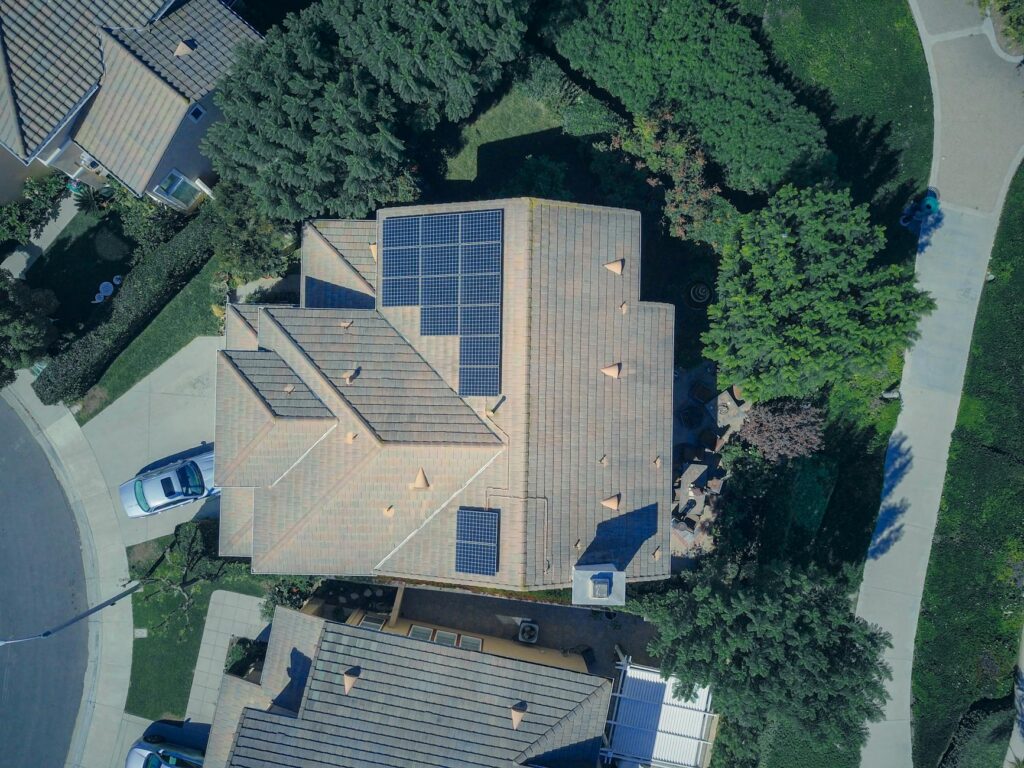
Solar Lease vs Loan vs Cash: Which Saves Most Money?
The best way to go solar depends on your financial situation, credit score, and long-term plans. Cash purchases offer the highest savings, but solar loans and leases make solar accessible to homeowners with limited upfront capital. Understanding the pros and cons of each option will help you choose the path that maximizes your return on investment.
Solar Cash Purchase: Maximum Long-Term Savings
Paying cash for a solar system upfront is the most financially rewarding option if you have the capital available. When you own your system outright, you capture 100% of the energy savings from day one. Over a 25-year warranty period, a typical residential system can save $20,000 to $30,000 in electricity costs.
Cash buyers also benefit from federal tax credits and state incentives. The federal Investment Tax Credit (ITC) allows you to deduct 30% of your installation costs from your federal taxes—directly reducing what you owe. Some states offer additional rebates, performance payments, or accelerated depreciation benefits that further enhance your return.
Ownership means you control maintenance decisions and can take advantage of net metering programs that credit excess solar production back to your account. If you sell your home, a paid-off solar system typically increases property value and is a major selling point for environmentally conscious buyers.
The main drawback is the high initial cost, typically $15,000 to $25,000 after incentives. This requires substantial savings or liquid assets. Additionally, you’re responsible for maintenance, repairs, and insurance coverage for the system.
Solar Loans: Own Your System While Spreading Costs
A solar loan lets you own your system while financing the installation over 5 to 20 years. You’ll qualify for the same federal tax credits and state incentives as cash buyers, but you spread the cost into manageable monthly payments. This is the fastest path to positive cash flow and long-term wealth building.
With a secured solar loan, your monthly savings typically exceed your loan payment within the first year. Unlike leases, you own the system and benefit from 100% of your electricity production and all available incentives. If you have a good credit score (typically 680+), you can secure favorable interest rates, making your monthly payment quite affordable.
Solar loans come in two types: secured loans (backed by your home equity) and unsecured personal loans. Secured loans usually offer lower interest rates but tie the debt to your property. Unsecured loans are simpler but carry higher rates. Both allow you to keep the federal tax credit.
The trade-off is that you’re responsible for system maintenance, repairs, and homeowner’s insurance. If your system requires significant repairs after the warranty expires, the cost comes out of your pocket. Additionally, a solar loan appears as debt on your credit report, which may affect your ability to secure other financing.
Solar Leases: Low Upfront Cost, Predictable Bills
A solar lease is a financing agreement where a third party owns and maintains your solar system. You pay a fixed monthly fee (typically $100 to $250) to use the electricity the system produces. This option requires little to no money down and includes system maintenance, monitoring, and repairs.
Leases are ideal for homeowners who want predictable energy costs without ownership responsibilities. Your monthly lease payment is often lower than your previous electric bill, providing immediate savings. You’re protected from system failures and manufacturer defects—the leasing company handles all maintenance.
However, leases come with significant limitations. You don’t own the system, so you can’t claim federal tax credits or state incentives. You receive no direct benefit from energy production; the leasing company captures all the savings from net metering credits. Over 25 years, you’ll typically save 40-50% less money compared to owning via cash or loan.
When you sell your home, the lease transfers to the new owner, but this can complicate the sale. Some buyers are uncomfortable taking over existing solar agreements. If you want to expand your system later, you’re limited by the lease agreement terms. Early lease termination usually requires paying a substantial early exit fee.
How to Compare Your Options with Our Calculator
The best way to determine which option saves you the most money is to run the numbers for your specific situation. Use our solar savings calculator to input your address, current electric bill, and preferred financing method. The calculator will show you:
- Year-by-year cash flow projections
- Total 25-year savings for each option
- Break-even timeline
- Estimated monthly payments
- Federal tax credit eligibility
This personalized analysis accounts for local electricity rates, available incentives, and sun exposure specific to your location, giving you confidence in your decision.
Frequently Asked Questions
Can I get a solar loan with bad credit?
Yes, but with limitations. Most lenders require a credit score of at least 620-680 for favorable rates. Some credit unions and specialized solar lenders offer loans to borrowers with lower scores, though you’ll pay higher interest rates. If your credit is poor, consider waiting to build your score before going solar, or explore whether a lease or cash option works for your budget. Government-backed programs like Property Assessed Clean Energy (PACE) financing may also be available in your area with more flexible credit requirements.
What happens to my solar system if I move?
This depends on your financing method. If you own the system (cash or loan), you have three options: take it with you (complex and expensive), leave it for the new owners, or remove it before selling. If you have a lease or power purchase agreement, it automatically transfers to the new homeowner. Some buyers welcome this, but others view it as a liability, potentially affecting your home’s sale price or marketability. Discuss solar transferability with your real estate agent when planning a move.
Which option qualifies for tax credits and rebates?
Cash purchases and solar loans both qualify for the federal 30% Investment Tax Credit and most state/local rebates. Leases typically do not qualify for these incentives—the leasing company claims them instead. This is a major financial advantage for ownership-based options. However, some states offer performance-based incentives that benefit all solar users regardless of financing method. Check your state’s solar incentive programs to see which rebates apply to your situation.
- Home Improvement Loans & Financing Guides — Complements the financing options discussed (loans, leases, cash) with educational resources for homeowners making solar investment decisions
- Solar Panel Monitoring System — Relevant add-on product for readers who decide to purchase solar panels, helping them track savings and ROI from their system
- Personal Finance Management Software — Helps readers evaluate their financial situation and credit readiness for solar loans or leases discussed in the post