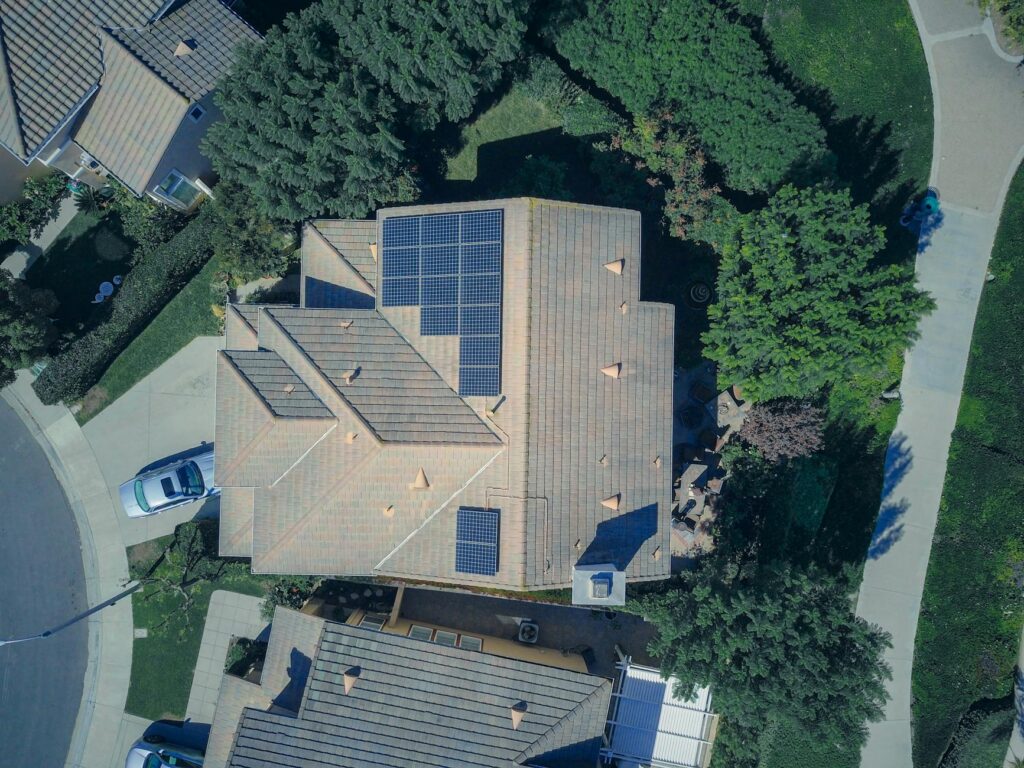
Severe weather, including hail, can temporarily reduce solar panel efficiency, but modern panels are engineered to withstand extreme conditions. Understanding how different weather patterns impact your solar system helps you make informed decisions about installation, maintenance, and performance expectations.
The Impact of Hail on Solar Panels
One of the most common concerns homeowners have about solar panels is whether hail will damage them. The good news is that quality solar panels are built to endure significant impact. Most residential solar panels undergo rigorous testing standards, including the IEC 61215 hail test, which fires 1-inch ice balls at panels at 52 mph to simulate severe hail conditions.
Panels that pass these certification standards can withstand most hailstorms without structural damage. However, extremely rare events—like golf ball-sized hail or the largest hailstones on record—could potentially cause issues. In practice, insurance claims for hail damage to solar panels are exceptionally rare, and when they do occur, most homeowners’ insurance policies cover the damage.
Even if hail does create minor cosmetic damage to your panels, the underlying silicon cells typically remain functional. Most panels will continue generating electricity at near-normal efficiency levels unless the damage is severe enough to crack the glass or cells. The protective tempered glass layer is specifically designed to handle impact while maintaining its transparency for sunlight penetration.
How Weather Conditions Affect Solar Efficiency
Beyond hail, various weather patterns impact how much electricity your solar system produces. Temperature plays a significant role—while you might expect hot sunny days to maximize output, solar panels actually perform more efficiently in cooler temperatures. This counterintuitive fact occurs because excess heat increases the resistance in electrical circuits, reducing the voltage output.
Cloud cover directly reduces solar irradiance reaching your panels. On cloudy days, you’ll see a noticeable dip in production, sometimes generating 10-25% of your system’s rated capacity. However, modern panels still generate electricity on overcast days, though at reduced levels. This is why solar works even in less sunny climates.
Rain has a nuanced effect on solar performance. While rain reduces immediate sunlight penetration, it also cleans accumulated dust, pollen, and debris from your panel surfaces. After rain, many systems experience a temporary efficiency boost as the panels become cleaner. Snow and ice accumulation, however, can completely block sunlight and significantly reduce output until the panels melt clear or are manually cleaned.
High winds and humidity can affect cooling efficiency around panels, though modern mounting systems are designed to handle strong winds safely. Wind speeds up to 100+ mph are typical design specifications for residential solar installations.
Seasonal Weather Patterns and Solar Production
Understanding seasonal variations helps set realistic expectations for your solar system. Winter months bring shorter daylight hours and a lower sun angle, resulting in reduced production even in clear weather. Most residential systems produce 40-50% less electricity in winter compared to summer, depending on your geographic location.
Spring and fall offer moderate production levels as daylight hours and sun angles fall between winter and summer extremes. Summer typically provides peak production, especially in regions without excessive cloud cover or heat-related issues.
Regional weather patterns significantly influence solar viability. Desert regions experience consistently clear skies and high solar irradiance, maximizing annual production. Coastal areas may have marine layer clouds that persist into mid-morning. Northern latitudes experience more dramatic seasonal variations. Understanding your local climate patterns helps predict your system’s annual energy generation accurately.
Modern solar tracking systems and advanced panel designs help mitigate some seasonal and weather-related challenges. However, traditional fixed-mount residential systems must account for these natural variations in their design and financial projections.
Calculate Your System’s Weather-Adjusted Performance
To understand how local weather conditions will affect your specific solar installation, use our Solar Performance Calculator. This tool factors in your location’s historical weather patterns, seasonal cloud cover, temperature variations, and hail risk to project realistic annual electricity generation for your system. Simply enter your address and proposed system size to see weather-adjusted estimates.
Frequently Asked Questions
Will solar panels work during a thunderstorm or heavy rain?
Yes, solar panels will generate some electricity during thunderstorms and heavy rain, though production will be significantly reduced—typically 10-20% of sunny-day capacity. The thick clouds and reduced sunlight penetration limit output, but the panels don’t stop working entirely. During storms, your system will continue supplying power to your home, with any deficit covered by the grid or battery backup if you have one. Lightning poses minimal risk to properly installed and grounded systems, as inverters and disconnects are designed with surge protection.
How do I maintain solar panels after severe weather?
After hail, heavy storms, or other severe weather, conduct a visual inspection of your panels for visible cracks or damage. Look for any water pooling or signs of moisture intrusion. Most maintenance involves simply removing accumulated debris with gentle rinsing. Schedule a professional inspection if you suspect damage, especially before filing insurance claims. Regular cleaning 2-4 times annually improves performance year-round and helps you spot issues early. Most residential systems require minimal maintenance beyond occasional cleaning and monitoring through your inverter’s performance dashboard.
Can solar panels be installed in areas prone to hail?
Absolutely. Solar panels are specifically engineered to perform in regions with frequent or severe hail. Areas like Colorado, Oklahoma, and Texas—known for significant hail activity—have extensive solar installations. The key is ensuring your system uses certified, high-quality panels that meet or exceed impact resistance standards. Additionally, comprehensive homeowners’ insurance typically covers hail damage. Your installer can recommend panels with the best hail ratings for your region and ensure proper mounting and grounding for maximum safety and durability.