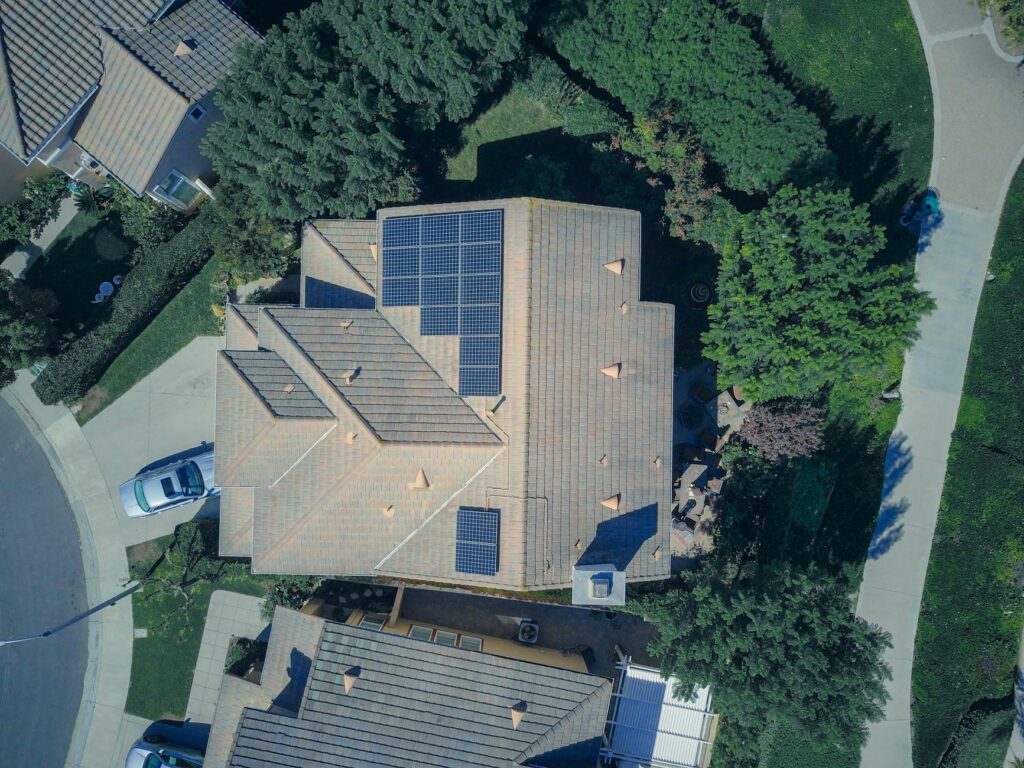
How Long Do Solar Panels Last: Lifespan & Degradation
Most solar panels last between 25-30 years, with many still producing 80% of their original output after three decades. While your panels won’t simply “stop working,” they gradually lose efficiency over time—a natural process called degradation. Understanding what affects panel lifespan helps you make informed decisions about your solar investment.
Typical Solar Panel Lifespan and Degradation Rates
Quality solar panels are built to endure decades of weather exposure. The industry standard warranty covers 25 years, though many panels continue functioning well beyond that timeframe. Here’s what you need to know about their lifespan:
Manufacturing Quality: Modern residential solar panels degrade at roughly 0.5% to 0.8% per year. This means after 25 years, your panels operate at approximately 80-87% of their original efficiency. Premium manufacturers often design panels to degrade even slower, sometimes at just 0.3-0.5% annually.
Warranty Coverage: Most manufacturers offer two warranties: a product warranty (typically 10 years) covering manufacturing defects, and a performance warranty (25-30 years) guaranteeing minimum output levels. If degradation exceeds manufacturer specifications, they’ll repair or replace the panels.
Real-World Performance: Studies from the National Renewable Energy Laboratory (NREL) show that well-maintained panels often operate beyond their warranty period. Many homeowners report their systems producing adequate power at 30, 35, or even 40 years. The key difference is that older panels generate less electricity than when new, not that they stop working entirely.
Key Factors That Affect Solar Panel Durability
Several environmental and installation factors significantly impact how long your panels last and how quickly they degrade:
Climate and Weather Conditions: Extreme temperature fluctuations, hail, high winds, and salt spray (in coastal areas) accelerate degradation. Panels in temperate climates typically experience slower degradation rates. However, most quality panels are designed to withstand wind speeds up to 140+ mph and hail impacts up to 1-inch diameter.
Humidity and Moisture: High humidity regions with frequent rain can lead to water infiltration and corrosion if panels aren’t properly sealed. This is why installation quality matters tremendously. Proper sealing and ventilation prevent moisture from damaging internal components.
Installation Quality: Professional installation is crucial for longevity. Improper mounting, inadequate ventilation, or damaged wiring can reduce lifespan significantly. Quality installers ensure panels have proper airflow underneath, preventing heat buildup that accelerates degradation.
Maintenance and Cleaning: Dust, dirt, bird droppings, and mineral deposits reduce efficiency but don’t damage panels. Regular cleaning (once or twice yearly, depending on your area) maintains optimal performance. While not necessary for longevity, it keeps your system producing at peak levels.
Manufacturing Standards: Not all panels are created equal. Panels from established manufacturers with rigorous testing protocols last longer than budget alternatives. Look for panels certified by the International Electrotechnical Commission (IEC) with strong track records.
Extending Your Solar Panel Lifespan
While you can’t stop degradation entirely, several practices maximize your system’s longevity and maintain strong output:
Choose Quality Components: Invest in panels from reputable manufacturers with excellent warranty terms. While premium panels cost more upfront, their slower degradation and extended warranties provide better long-term value.
Ensure Professional Installation: Use certified installers who follow industry best practices. Proper mounting, electrical connections, and system configuration protect your investment for decades.
Regular Maintenance Schedule: Establish a cleaning routine, especially if you’re in dusty, coastal, or heavily polluted areas. Most homeowners benefit from annual or semi-annual professional cleaning.
Monitor System Performance: Check your monitoring dashboard regularly. A sudden drop in output might indicate problems worth investigating. Early detection prevents minor issues from becoming major damage.
Protect Your Inverter: Your inverter typically lasts 10-15 years—shorter than panels. Budget for replacement or repair during your system’s lifetime. Modern inverters are reliable, but they’re more vulnerable to failure than panels themselves.
Address Issues Promptly: If you notice damaged wiring, cracked glass, or mounting problems, contact your installer immediately. Quick repairs prevent water damage and electrical hazards.
How to Calculate Your Long-Term Solar Savings
Understanding panel lifespan helps you project accurate return on investment. Our solar calculator factors in typical panel degradation rates across 25 and 30-year periods, showing you realistic energy production and savings projections specific to your location and system size. Input your address and system specifications to see how long-term performance impacts your bottom line.
Frequently Asked Questions
Do solar panels need replacement after 25 years?
Not necessarily. After 25 years, most panels still produce 80-87% of their original output—enough to offset considerable electricity costs. Whether replacement makes sense depends on your electricity rates, available incentives, and technology advances. Many homeowners happily keep working 30+ year-old panels because they’ve paid for themselves many times over.
What’s the difference between panel failure and normal degradation?
Normal degradation is gradual efficiency loss (0.5-0.8% annually) that’s inevitable and covered by warranties. Panel failure is sudden loss of function from manufacturing defects, physical damage, or component failure. Quality panels rarely experience premature failure. If your system suddenly produces significantly less power, have it inspected—this suggests a failure rather than normal degradation.
Can I extend my solar panel lifespan to 40+ years?
Yes, many panels function productively for 40+ years with proper care. Quality manufacturing, professional installation, regular maintenance, and favorable climate conditions all contribute. While your 40-year-old panels produce less than new ones, they’ll still generate meaningful electricity. The extended lifespan is one reason solar remains such a solid long-term investment.
- Solar Panel Monitoring System — Directly relevant for homeowners wanting to track degradation and performance over the 25-30 year lifespan discussed in the post
- Solar Panel Cleaning Kit — Helps maintain solar panel efficiency and extend lifespan by preventing dust/debris buildup that accelerates degradation
- Battery Backup System for Solar (LG Chem or Generac) — Complements solar panel longevity by storing energy from aging panels and maximizing ROI over their extended lifespan