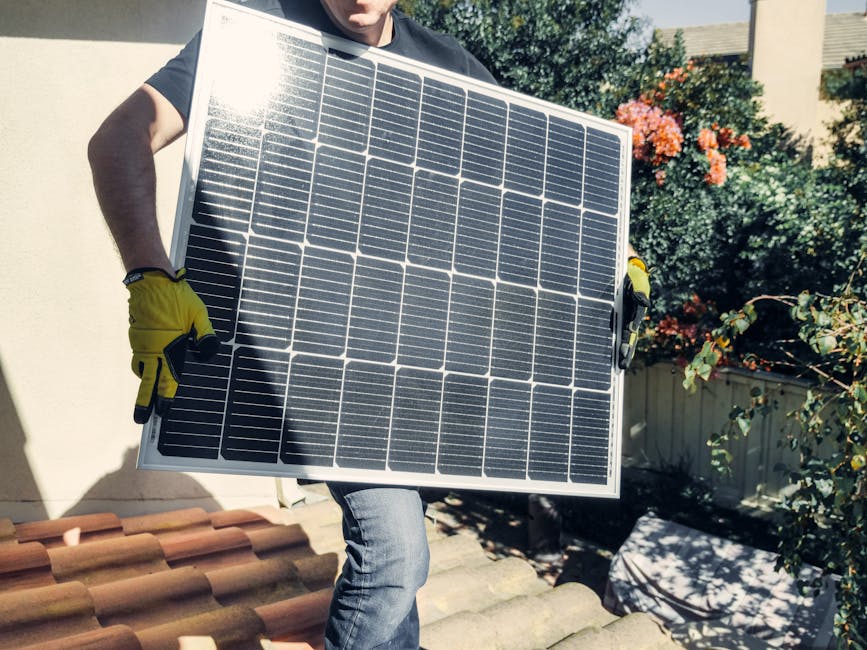
Solar panels convert sunlight directly into usable electricity through the photovoltaic effect, a quantum mechanical process that requires no moving parts or fuel. Understanding how this technology works helps homeowners make informed decisions about solar energy and appreciate why it’s one of the most reliable renewable energy sources available. In this guide, we’ll break down the science into digestible concepts that explain how panels turn sunlight into power for your home.
The Photovoltaic Effect Explained
At the heart of every solar panel lies the photovoltaic effect—a phenomenon discovered in 1839 that Einstein actually won a Nobel Prize for explaining. When photons from sunlight strike silicon atoms in a solar cell, they transfer energy to electrons, causing them to break free from their atoms. This creates an electric field that directs these loose electrons to flow in one direction, generating an electric current.
Solar cells are typically made from silicon because it’s abundant, stable, and has the right electronic properties. Each cell contains two layers: one with excess electrons (negatively charged) and one with electron deficiencies called “holes” (positively charged). The boundary between these layers, called the junction, is where the magic happens. When photons knock electrons loose, the electric field at the junction pushes them toward the negative layer, creating a measurable voltage and current.
The efficiency of this process depends on the wavelength of light. Silicon solar cells are most efficient with red and infrared light, which is why modern panels achieve 15-22% efficiency for residential installations. This means that about one-fifth of the sun’s energy hitting your panels actually becomes electricity, with the rest converted to heat or reflected away.
From Sunlight to Home Power: The Complete System
A solar panel alone doesn’t power your home—it’s part of a complete system working together seamlessly. When DC electricity leaves your solar panels, it enters an inverter, which converts it to AC (alternating current) electricity that matches the power your appliances use. Modern inverters are highly efficient, typically converting 96-98% of the DC power to usable AC power.
In grid-tied systems, your home uses solar electricity first when it’s available. Any excess power flows back to the electrical grid, and you receive credits on your utility bill through net metering. When the sun isn’t shining—at night or during cloudy days—your home automatically draws power from the grid. This arrangement eliminates the need for expensive battery storage for most homeowners.
If you want energy independence, battery storage systems can capture excess solar power for use after sunset. Lithium-ion batteries have become increasingly affordable and efficient, making off-grid or hybrid systems more practical than ever. The system also includes monitoring equipment that tracks how much electricity you’re generating in real-time, helping you understand your solar production patterns.
Why Solar Panels Keep Working in Winter and Cloudy Weather
A common misconception is that solar panels only work on hot, sunny days. In reality, panels operate whenever light reaches them—they need photons, not heat. This is why northern climates and countries like Germany and Canada have successful solar industries. Solar panels actually become less efficient at higher temperatures because excess heat increases electrical resistance in the cells, so cool, sunny days are often ideal for solar production.
On cloudy days, diffuse light still reaches your panels and generates electricity, though at reduced levels. You might produce 25-50% of your normal output depending on cloud density. Snow can temporarily block panels, but it typically slides off sloped roofs without manual intervention, and the reflective properties of snow can actually help clean your panels of dust and debris.
What matters most is the total solar irradiance your location receives throughout the year. Areas with average daily sunshine hours of 4-5+ hours in winter are ideal for solar installations. Modern solar design accounts for seasonal variations, ensuring your system produces enough power year-round to meet your needs. This is why professional solar assessments consider your location’s specific climate patterns rather than relying on a one-size-fits-all approach.
How to Use Our Solar Calculator to Estimate Your System
Understanding how solar panels work is one thing—knowing how many you need is another. Our solar calculator takes your location, roof characteristics, and energy usage to estimate your ideal system size and potential savings. By inputting your address, monthly electricity bill, and roof orientation, the calculator uses local solar irradiance data and shading analysis to provide personalized recommendations. This tool helps you visualize exactly how the science of solar panels applies to your specific home, giving you concrete numbers on payback periods and 25-year savings. Start with the calculator to get a baseline understanding of what a solar system could do for your property.
Frequently Asked Questions
Do solar panels work at night?
No, solar panels require photons from sunlight to generate electricity, so they produce zero power at night. However, this doesn’t mean you’ll lose power. Grid-tied systems draw from the utility grid after dark, while systems with battery storage use stored energy from daytime production. The photovoltaic effect is purely dependent on light interaction with silicon atoms, not on time of day or ambient temperature.
How long do solar panels last?
Most quality residential solar panels are warrantied for 25 years and typically last 30-40+ years. They degrade at a rate of about 0.5% per year, meaning a panel will operate at roughly 87% capacity after 25 years. This exceptional longevity makes solar an excellent long-term investment. The inverter, however, typically needs replacement around year 10-15, which should be factored into your system cost planning.
Can solar panels power my entire home?
Yes, if you install enough panels and your roof receives adequate sunlight. Most homes need 15-25 panels to generate all their annual electricity, though the exact number depends on your location, roof orientation, energy usage, and seasonal patterns. A professional solar assessment determines the optimal system size for your specific situation, ensuring you can offset 100% of your electricity needs if desired.