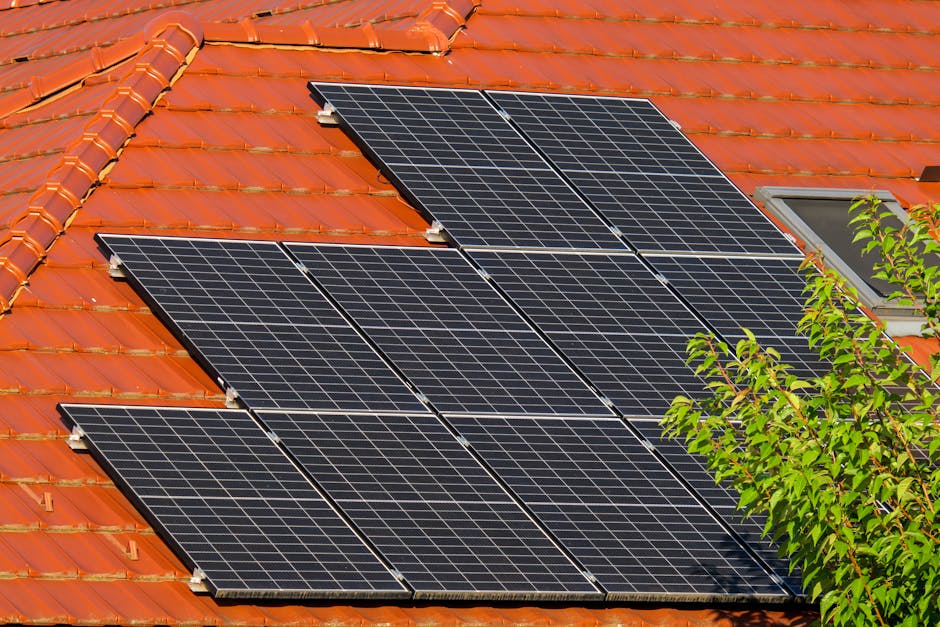
How Much Electricity Does a Solar Panel Produce Per Day
A typical residential solar panel produces between 0.5 to 1.5 kWh of electricity per day, depending on panel wattage, location, and weather conditions. Most modern 400-watt panels generate roughly 1.2 to 1.6 kWh daily under ideal conditions. Understanding daily production helps you estimate your energy needs and calculate potential savings from going solar.
Factors That Determine Daily Solar Production
Several variables influence how much electricity your solar panel generates each day. The most significant factor is the panel’s rated wattage capacity, typically ranging from 300 to 500 watts for residential installations. A 300-watt panel will naturally produce less than a 400-watt panel under identical conditions.
Geographic location and climate dramatically impact daily output. Panels in sunny regions like Arizona or Florida generate substantially more electricity than panels in cloudier areas like the Pacific Northwest. The number of peak sun hours your location receives annually determines baseline production potential. Peak sun hours represent the equivalent number of hours per day when solar irradiance averages 1,000 watts per square meter—optimal conditions for solar energy conversion.
Seasonal variations also matter significantly. Winter months produce less electricity due to shorter daylight hours and lower sun angles, while summer months maximize production. A panel that generates 1.8 kWh in July might only produce 0.6 kWh in December, depending on your latitude.
Temperature affects panel efficiency too. Solar panels work best in moderate temperatures and lose efficiency as they get hotter. Hot summer days, while sunny, can actually reduce overall panel performance compared to cooler, sunny spring days. Additionally, dust, dirt, leaves, and snow accumulation reduces daily output by blocking sunlight from reaching the panel surface.
Daily Production by Panel Wattage and Location
To understand real-world daily production, consider these typical scenarios across different regions:
300-Watt Panels: In a sunny climate with 5 peak sun hours daily, a 300-watt panel produces approximately 1.5 kWh per day. In moderate sunlight areas with 4 peak sun hours, expect about 1.2 kWh daily. Cloudier regions averaging 3 peak sun hours see around 0.9 kWh daily.
400-Watt Panels: High-sun locations generate roughly 2 kWh per day. Moderate climates produce approximately 1.6 kWh daily, while cloudier areas yield about 1.2 kWh per day.
500-Watt Panels: Premium panels in sunny regions generate up to 2.5 kWh per day. Moderate climates see 2 kWh daily production, and cloudier areas produce around 1.5 kWh per day.
These calculations use the formula: Panel Wattage × Peak Sun Hours ÷ 1,000 = Daily kWh Production. Remember that real-world conditions are rarely perfect, so actual production typically runs 75-85% of theoretical maximums due to system losses, wiring inefficiencies, and inverter conversion losses.
Maximizing Your Solar Panel’s Daily Output
Optimizing panel performance ensures you capture maximum available sunlight. Proper installation angle relative to your latitude significantly impacts annual production. Most installers position residential panels at angles matching your geographic latitude, though some prefer slight adjustments for seasonal optimization.
Regular maintenance keeps panels operating at peak efficiency. Clean panels quarterly or whenever visible dust accumulation occurs. Bird droppings, pollen, and tree debris substantially reduce output. In areas with frequent rainfall, natural cleaning helps maintain production without manual intervention.
Shade is a solar panel’s worst enemy. Even partial shading from trees, buildings, or structures dramatically reduces output due to how modern systems interconnect panels. Have a solar professional conduct a shade analysis during summer and winter to understand realistic production expectations. Trimming nearby trees during dormant seasons can improve long-term output without harming vegetation.
Equipment quality matters too. Higher-efficiency panels with better inverter technology produce more electricity from identical sunlight. Microinverters or power optimizers minimize losses in systems with partial shading, while string inverters work best for unshaded arrays. Modern monitoring systems help identify performance issues quickly, allowing prompt maintenance.
How to Use Our Solar Production Calculator
Instead of manually calculating daily production across different scenarios, use our solar production calculator to get personalized estimates based on your specific location, roof orientation, and panel specifications. Simply enter your address and desired panel wattage to receive accurate daily, monthly, and annual production projections tailored to your property.
Frequently Asked Questions
How many solar panels do I need to produce 30 kWh per day?
With 400-watt panels in a moderate climate producing 1.6 kWh daily, you’d need approximately 19 panels to generate 30 kWh daily. However, this varies significantly by location. Sunnier regions might require only 15 panels, while cloudier areas might need 25 panels. System design, inverter capacity, and roof space also influence final panel count recommendations.
Do solar panels produce electricity on cloudy days?
Yes, solar panels generate electricity on cloudy days, though at reduced capacity. Diffuse sunlight still reaches photovoltaic cells and triggers electricity production. Expect 10-25% of typical sunny-day output on heavily overcast days, and 25-50% on partly cloudy days. Modern panels perform remarkably well across various light conditions.
What’s the difference between peak sun hours and actual daylight hours?
Daylight hours measure how long the sun is visible above the horizon, typically 10-14 hours seasonally. Peak sun hours represent the equivalent time period when solar irradiance averages optimal intensity (1,000 W/m²). A location might have 12 daylight hours but only 4 peak sun hours due to atmospheric conditions, angle of incidence, and seasonal variations. This distinction is crucial for accurate production calculations.