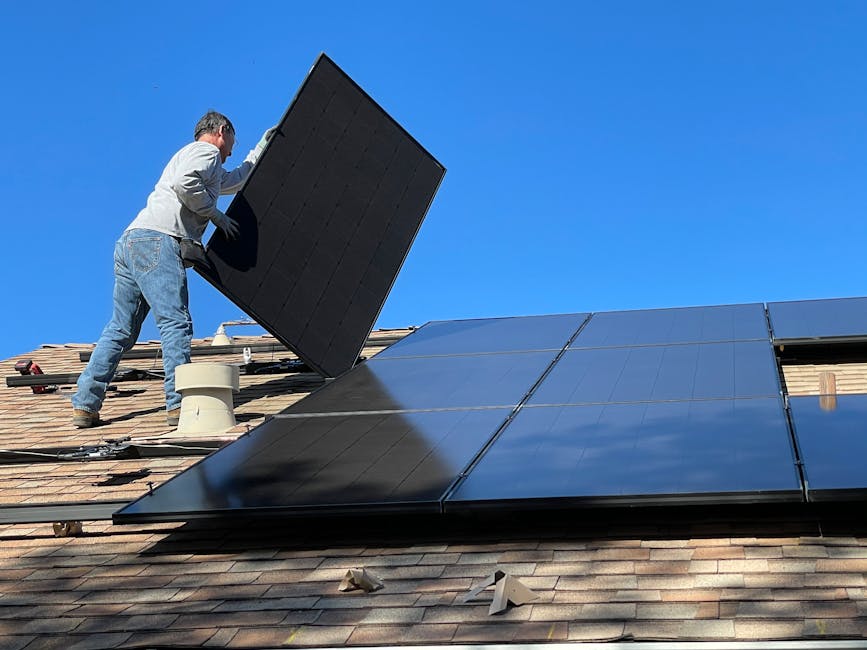
New Hampshire residents interested in going solar have good reason to pay attention right now. A significant bill focused on renewable energy requirements is making its way through the state legislature, and it could meaningfully change the financial landscape for solar installations. If you’re considering solar panels or have been on the fence about timing, understanding this legislative development is crucial to making an informed decision about your investment.
Understanding New Hampshire’s New Renewable Portfolio Standards Bill
The bill currently advancing through New Hampshire’s legislature—titled “Relative to changes to the minimum electric renewable portfolio standards”—essentially adjusts how much renewable energy the state requires utilities to source from clean energy sources like solar and wind. While that might sound technical, here’s what it means in everyday terms: the state is raising expectations for how much of New Hampshire’s electricity must come from renewables over the next several years.
Currently, New Hampshire requires utilities to meet certain renewable energy targets. This bill increases those minimum requirements, pushing utilities to source more power from solar installations and other renewable sources. The bill has already passed its first chamber, indicating strong legislative support, and is progressing toward final passage.
What This Means for Solar Incentives and Your Wallet
Here’s where it gets directly relevant to your finances. When states increase renewable energy requirements, utilities have limited options: they can build their own solar farms, purchase renewable energy from existing sources, or buy renewable energy credits from homeowners and businesses with solar panels. This creates demand.
Increased demand for renewable energy typically leads to two things: stronger incentive programs and better economics for residential solar. Utilities may expand rebate programs, increase the value of net metering (the system where your excess solar power gets credited back to you), or create new incentive structures to encourage more people to install panels.
The timing matters here. Legislators and utility commissions typically work 12-18 months ahead on implementation planning. With this bill advancing now, we could see enhanced incentive programs rolling out throughout 2025 and into 2026. Waiting until after formal programs are announced means missing the current incentive window—or discovering that rebates have changed in ways that affect your project’s economics.
Who Is Affected and When
If you live in New Hampshire and pay an electric bill, you’re affected. Renters, homeowners, and small business owners all stand to benefit from stronger renewable energy support mechanisms. The timeline is important: bills at this stage of advancement typically become law within 6-12 months, with implementation following 6-12 months after that.
This means 2025 is a critical year for decision-making. Installation companies are reporting increased interest as people try to lock in current incentive levels before potential changes. If you’ve been researching solar costs and savings, now is the time to move from information gathering to concrete planning.
How Legislative Changes Affect Solar ROI
Your return on investment for solar depends on several factors: installation costs, available incentives, electricity rates, and how much sun your roof receives. Legislative changes affect at least three of these variables. Stronger renewable standards can lead to increased state rebates, improved federal tax credit certainty (when aligned with federal policy), and better net metering terms.
The practical impact: a solar installation that costs $25,000 before incentives might net you $16,000-$18,000 depending on current programs. With enhanced incentives from stronger renewable standards, that same installation might cost only $14,000-$15,000 after incentives—or generate more savings annually through improved net metering credits.
These aren’t small differences. An extra $2,000-$4,000 in incentives can reduce your payback period from 7-8 years to 5-6 years. Over a 25-year panel lifespan, that’s meaningful impact on your total savings.
Use Our Free Calculator
Now is the perfect time to see exactly how New Hampshire’s emerging renewable standards bill could affect your specific situation. Head to solarestimatorpro.com and use our free solar savings calculator to generate a personalized analysis.
Our calculator will show you: your estimated installation costs, specific rebates and incentives currently available in your area, your projected annual electricity bill savings, your complete 25-year savings projection in dollars, and your break-even timeline. Most importantly, the calculator accounts for current legislative momentum and program structures—giving you the most up-to-date picture available.
Because incentive programs can shift as bills advance through final passage, recalculating your solar economics right now ensures you’re working with current numbers. Visit solarestimatorpro.com today to see whether 2025 is your year to go solar and capture these emerging benefits before the landscape shifts.
- Renogy 400W Solar Panel Kit — Directly relevant to readers considering solar installations in New Hampshire; affordable entry-point solar equipment that benefits from understanding local incentives and RPS policies
- SolarEdge Inverter with Power Optimizer — Essential component for optimizing solar system performance and maximizing savings discussed in the article; helps readers get better returns on their solar investment
- EnergySage Solar Comparison Service — Complements the article by helping New Hampshire residents get multiple solar quotes and understand how state incentives like RPS affect their specific savings calculations