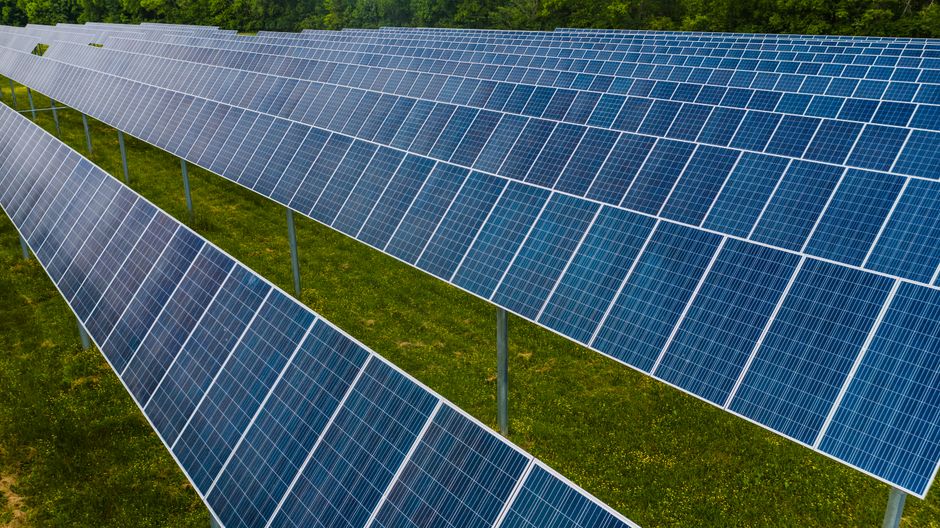
Solar panels in Pennsylvania typically cost $15,000–$25,000 before incentives for a residential system, averaging $2.50–$3.00 per watt after labor and equipment. Federal tax credits, state rebates, and performance incentives can reduce total costs by 30–50%, significantly improving your payback period and long-term solar panel ROI in Pennsylvania. (Related: Complete Guide to Minnesota Solar Tax Credits, Rebates, and Financial Incentives for 2026) (Related: Solar Power for Renters: 6 Proven Options Available in 2026) (Related: Solar Battery vs Whole-House Generator: Complete 2026 Cost Comparison) (Related: Federal Home Energy Tax Credits: A Guide to Claiming Expiring Solar Installation Incentives Before the Deadline) (Related: Solar Savings Calculator: Estimate Your Payback Period) (Related: Complete Guide to Solar Property Tax Exemptions by State 2026)
Solar Panel Costs in Pennsylvania — What Homeowners Pay in 2026
How much do solar panels cost in Pennsylvania?
Pennsylvania solar panel installation costs vary based on system size, roof type, and installer pricing in your region. For a typical 8–10 kW residential system — enough to offset most of an average Pennsylvania home’s 9,000–10,000 kWh annual usage — expect to pay between $20,000 and $30,000 before incentives are applied.
Here’s a breakdown of average costs by system size in Pennsylvania for 2026:
- 6 kW system: $15,000–$18,000 (before incentives)
- 8 kW system: $20,000–$24,000 (before incentives)
- 10 kW system: $25,000–$30,000 (before incentives)
After applying the federal Investment Tax Credit (ITC) at 30%, those figures drop considerably. A $24,000 system, for example, becomes $16,800 out of pocket. Pennsylvania’s average electricity rate sits at approximately $0.16 per kWh as of early 2025, according to U.S. Energy Information Administration data — a figure that directly shapes your savings timeline.
Equipment choices also affect total cost. Tier-1 monocrystalline panels typically run $0.50–$0.70 more per watt than budget alternatives but deliver higher efficiency ratings (19–22%) and longer warranties. Labor accounts for roughly 10–15% of total installation costs in Pennsylvania, with the Philadelphia metro area running slightly higher than rural central Pennsylvania.
Want a precise number for your home? Use our Pennsylvania solar cost calculator to get a customized estimate based on your zip code, roof size, and current utility bill.
Financial Benefits and Savings in Pennsylvania
What financial incentives are available for solar panels in Pennsylvania?
Solar energy savings in Pennsylvania come from multiple stacked sources — not just reduced electric bills. Here’s where the real financial leverage lives:
Net Metering: Under Pennsylvania’s net metering policy, any excess electricity your solar panels generate gets credited to your utility bill. Homeowners with PECO, PPL, or other participating utilities can offset future bills dollar-for-dollar using these credits, which is one of the most powerful financial tools available to Pennsylvania solar owners.
Solar Renewable Energy Certificates (SRECs): Pennsylvania participates in a regional SREC market. For every 1,000 kWh your system produces, you earn one SREC. These certificates can be sold to utilities needing to meet renewable portfolio standards. SREC values fluctuate, but Pennsylvania SRECs have historically traded between $20–$40 each, adding $100–$200 per year in passive income for a 10 kW system.
Utility Rebates: Some Pennsylvania utilities offer additional rebates. PPL Electric and PECO have offered rebates of $100–$300 for solar installations, though availability changes annually — always verify current offers directly with your utility before budgeting.
Combining net metering, SRECs, and the federal ITC, total solar energy savings in Pennsylvania over a 25-year panel lifespan commonly reach $30,000–$50,000 for an average-sized system, based on current utility rates and conservative electricity price escalation assumptions.
How long does it take to break even with solar panels in Pennsylvania?
The typical solar panel payback period in Pennsylvania ranges from 7 to 10 years for most residential installations. Systems in higher-electricity-cost ZIP codes (southeastern PA) tend to break even faster — sometimes in 6–8 years — while systems in areas with lower rates or less sun exposure may take closer to 10–11 years.
After breakeven, the remaining 15+ years of panel life represent pure return. A $24,000 system that pays back in 8 years and lasts 25 years delivers roughly 17 years of net savings — often $25,000–$40,000 depending on utility rate increases. That’s a solar panel ROI in Pennsylvania that consistently outperforms many traditional investments.
Run your own numbers using our solar payback period calculator to see exactly when your system crosses into profitability.
Pennsylvania Solar Laws and Incentives
Understanding residential solar panels in Pennsylvania laws helps you protect your investment and maximize available incentives.
Pennsylvania Act 129: This legislation established the Alternative Energy Portfolio Standards (AEPS), requiring electric distribution companies to source a growing percentage of power from renewable sources — including solar. This law creates the demand that gives Pennsylvania SRECs their market value.
HOA Restrictions: Pennsylvania does not have a solar access law explicitly limiting HOA authority over solar installations, unlike some other states. Review your HOA covenants carefully before signing an installation contract. However, municipalities generally cannot prohibit solar outright under state energy policy direction.
Interconnection Standards: Pennsylvania follows standardized interconnection procedures governed by the Pennsylvania Public Utility Commission (PUC), ensuring a clear process for connecting your solar system to the grid. Most installations are approved within 30–60 days under standard review.
Pennsylvania Solar Tax Credits and Rebates
Pennsylvania solar incentives stack in layers that can meaningfully cut your net cost:
- Federal Investment Tax Credit (ITC): A 30% tax credit on total system cost, including installation. On a $20,000 system, that’s $6,000 directly off your federal tax liability. According to the U.S. Department of Energy’s Solar Energy Technologies Office, the ITC is currently secured at 30% through 2032 under the Inflation Reduction Act.
- Pennsylvania Property Tax Exemption: Solar installations are exempt from increasing your property tax assessment in Pennsylvania. A system that adds $15,000 in home value won’t cost you a dollar more in annual property taxes.
- Pennsylvania Sales Tax Exemption: Solar energy equipment is exempt from Pennsylvania’s 6% sales tax, saving $900–$1,500 on a typical residential system purchase.
- Utility-Specific Rebates: Check with your specific utility for current Pennsylvania solar incentives, as rebate programs are updated periodically.
How to Calculate Your Solar Savings
Calculating accurate solar savings requires four inputs: your annual electricity consumption (kWh), your current utility rate ($/kWh), your local solar irradiance (peak sun hours), and your total system cost after incentives. Pennsylvania averages 4.0–4.5 peak sun hours per day depending on location — Philadelphia receives more than Erie, for reference.
The basic formula: Annual Savings = (System Output kWh × Utility Rate) + Annual SREC Value. Divide your net system cost by annual savings to find your payback period. Our solar ROI calculator
- Solar Panel Installation Monitoring System — Complements solar installation content by helping homeowners track energy production and optimize their Pennsylvania solar investment ROI
- Home Energy Audit Kit & Thermal Camera — Helps Pennsylvania homeowners assess current energy efficiency before going solar, supporting informed decisions about system sizing and costs
- Solar Incentive & Tax Credit Software — Directly supports readers claiming federal tax credits and Pennsylvania state rebates mentioned in the post for calculating actual solar ROI