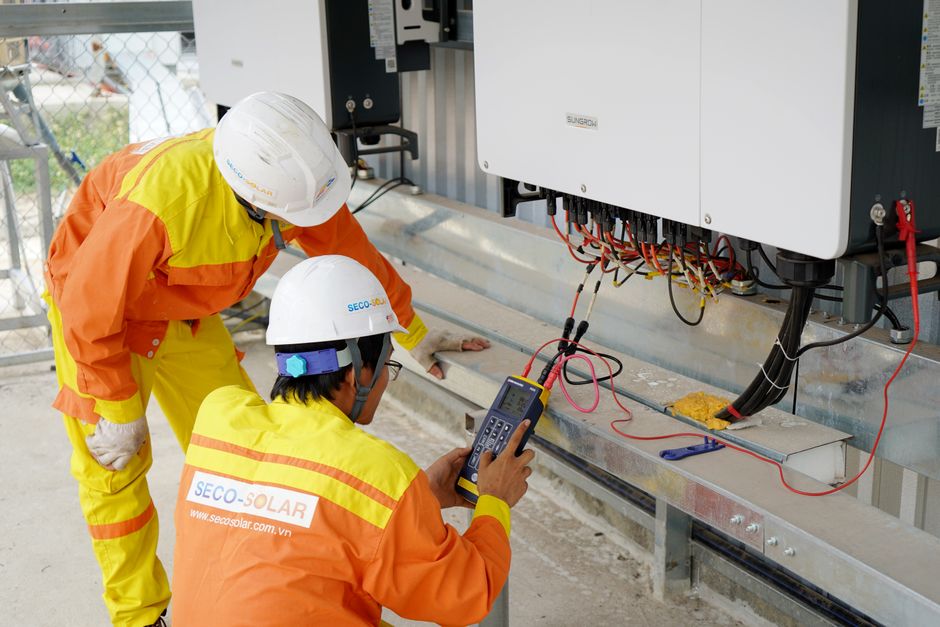
A solar easement is a legal agreement that protects a property owner’s right to access sunlight for solar panels by preventing neighboring properties from blocking solar access through shade-casting structures. It ensures long-term viability of solar energy systems and safeguards your investment in renewable energy for years to come.
What Is a Solar Easement?
A solar easement — sometimes called a solar rights easement or easement for solar panels — is a voluntary, recorded legal instrument between two neighboring property owners. The agreement grants one owner (the benefited party) the right to receive unobstructed sunlight across the adjacent property (the burdened party). Once recorded with the county, it runs with the land, meaning it remains enforceable even if either property is sold.
The solar easement definition varies slightly by state, but the core concept is consistent: your neighbor agrees, in writing, not to erect structures, plant trees, or allow vegetation to grow in a way that casts shade on your solar array during specified hours. Most states have codified solar access rights through dedicated statutes, and according to the U.S. Department of Energy’s Solar Energy Technologies Office, solar easements are one of the most reliable legal tools available to homeowners seeking long-term solar production guarantees.
A valid solar easement typically contains:
- A precise legal description of both properties
- The exact angles, hours, and days during which sunlight access is protected
- Any compensation paid to the burdened property owner
- Terms for modification or termination
- Signatures of both parties and notarization before county recording
Types of Solar Easements
Not all solar easements are structured the same way. Understanding your options helps you choose the right approach for your specific situation.
Negotiated Private Solar Easements
The most common type, a negotiated private easement is a voluntary agreement drafted by both parties — often with real estate attorneys involved. You and your neighbor define the protected solar window, agree on any compensation, and record the document. This offers the most flexibility and the clearest legal protection for your solar investment.
Statutory Solar Easements
Many states have passed solar access laws that provide a statutory framework for solar easements. States like California, Florida, and Colorado have formal processes that allow homeowners to establish easements through local government channels. These statutory options often reduce legal friction and provide standardized language that courts recognize readily.
Solar Fence and Shade Ordinances
Some municipalities go further by adopting local ordinances that restrict shade-casting structures within a certain proximity of existing solar installations. While not technically an easement, these ordinances function similarly by protecting solar access rights at a community level.
Why Solar Easements Matter for Homeowners
Installing solar panels represents a significant financial commitment — typically $15,000 to $30,000 before incentives. A neighboring tree that grows tall enough to shade your array by just 20% can reduce annual energy production by a similar margin, dramatically extending your payback period. This is where an easement for solar panels becomes a critical financial safeguard.
Before you finalize your solar installation, use our solar payback period calculator to understand exactly how shading impacts your return on investment. Even modest shading has an outsized effect on payback timelines, and knowing your baseline numbers makes the case for securing an easement even stronger.
Beyond individual finances, solar easements contribute to neighborhood-level renewable energy adoption. When homeowners feel confident that their solar investment is legally protected, they are more likely to install systems. This accelerates local clean energy transitions and supports broader grid resilience goals outlined in federal energy policy.
What is the purpose of a solar easement?
The primary purpose of a solar easement is to legally guarantee that a solar panel system will continue to receive adequate sunlight throughout its operational life — typically 25 to 30 years. Without one, a neighbor could legally plant a row of fast-growing trees or construct an addition that eliminates your system’s productivity with no legal remedy available to you.
How long does a solar easement last?
Most solar easements are perpetual, meaning they run indefinitely with the land and bind all future owners of both properties. However, parties can negotiate time-limited easements — for example, covering the expected lifespan of a specific solar installation. The duration should always be specified clearly in the recorded document to avoid future disputes.
Do I need a solar easement for my solar panels?
Not every homeowner requires a formal solar easement. If your property has generous setbacks, mature landscaping that already provides clear sky exposure, or neighbors with no immediate plans to build upward, the risk may be manageable. However, if your solar installation depends on sunlight crossing a neighboring property during peak production hours — typically 9 a.m. to 3 p.m. — securing an easement before installation is strongly advisable.
How to Obtain a Solar Easement
The process of obtaining a solar easement involves several practical steps:
- Conduct a solar site analysis. Use a solar pathfinder tool or professional shading analysis to document exactly which neighboring structures or vegetation pose a risk to your solar access.
- Research your state’s solar easement statutes. According to Energy.gov’s solar resources, most states have enabling legislation that establishes minimum requirements for valid easements.
- Engage your neighbor in conversation. Approach the discussion as a mutual benefit — you might offer a one-time payment or another arrangement in exchange for their agreement.
- Hire a real estate attorney. A properly drafted easement requires precise legal language, surveyed descriptions, and compliance with state recording requirements.
- Record the document. File the signed, notarized easement with your county recorder’s office. Only recorded easements are enforceable against future property owners.
Solar Easements and Property Values
A recorded solar easement can positively impact the value of your property in two ways. First, it provides assurance to future buyers that the solar system’s productivity is legally protected — an increasingly attractive feature as energy costs rise. Second, homes with active, high-producing solar systems consistently command price premiums in resale markets.
To understand how your solar system affects your home’s total financial picture, try our solar ROI calculator, which factors in system output, local utility rates, and resale value impacts to give you a complete picture of your investment return.
Common Challenges and Disputes
Solar easement disputes most commonly arise when:
- An easement was never formally recorded, leaving no enforceable legal protection
- Vegetation from the burdened property grows beyond agreed boundaries over time
- New owners of the burdened property were unaware of the easement at purchase
- Ambiguous language in the original document creates competing interpretations
Preventing disputes starts with precision at the drafting stage. Clear angular specifications — for example, “no structure or vegetation shall cast a shadow on the benefited property between the hours of 9 a.m. and 3 p.m. solar time throughout the calendar year” — leave little room for ambiguity. Working with an attorney who specializes in property or real estate law in your state is the most reliable way to draft an enforceable instrument.