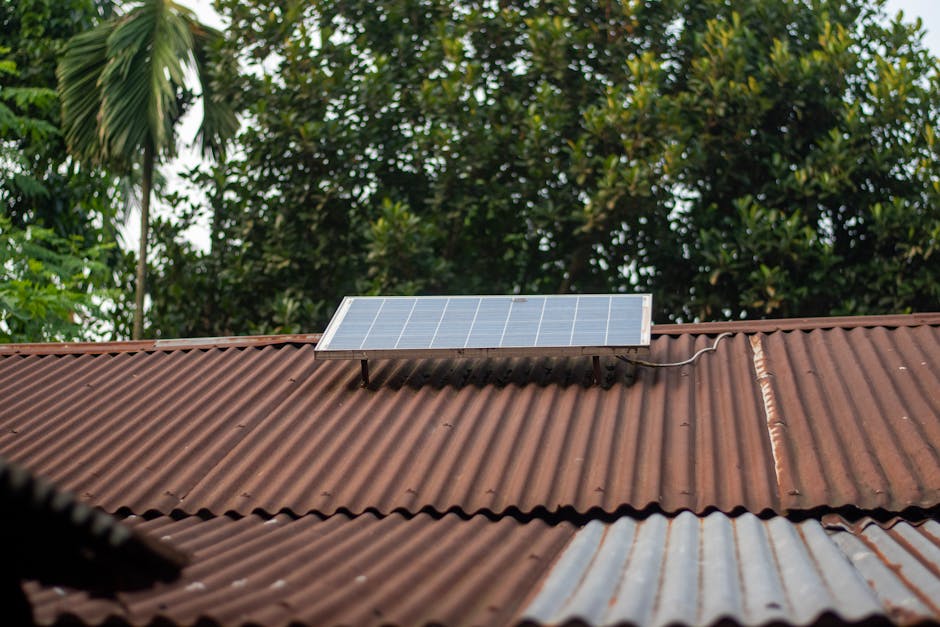
You can finance solar panels with low credit through solar leases, power purchase agreements (PPAs), secured loans, credit unions, or by adding a co-signer. While options exist, expect higher interest rates and may need to improve creditworthiness first.
Understanding Solar Financing with Low Credit
Your credit score significantly impacts solar financing options. Traditional lenders typically require scores above 620, but the solar industry has evolved to serve borrowers across the credit spectrum. In 2026, lenders recognize that creditworthiness extends beyond FICO scores—they now evaluate income stability, debt-to-income ratios, and energy savings potential.
The key difference between traditional mortgages and solar financing is that solar loans are secured by the system itself. This reduces lender risk and opens doors for borrowers with scores as low as 580. According to the U.S. Department of Energy’s Solar Energy Technologies Office, state and local incentive programs still make solar more affordable regardless of credit profile — though as of 2026, if you buy with cash or a loan, there is no federal tax credit, because the 30% Residential Clean Energy Credit (§25D) expired for systems placed in service after December 31, 2025. Financing terms vary significantly, and your net cost now depends largely on what your state and utility offer.
Understanding your options prevents costly mistakes. Some financing paths require larger down payments, while others spread costs over longer terms. Calculating the true cost of each option—including interest paid over the loan term—reveals which fits your financial situation best.
Loan Options Available for Bad Credit Borrowers
Solar-Specific Loans for Poor Credit Solar Panel Financing
Solar loans designed specifically for homeowners with less-than-perfect credit now dominate the market. These loans come in two types: secured and unsecured. Secured solar loans require collateral (usually your home equity) but offer better rates—typically 7-12% APR for borrowers with 580-650 credit scores. Unsecured solar loans carry higher rates (12-18% APR) but don’t require collateral.
Many solar-specific lenders advertise “solar panel loans no credit check,” though this is somewhat misleading. They still verify income and employment but weight credit history less heavily than traditional banks. Monthly payments typically range from $150-$400 depending on system size and loan terms.
Credit Union Solar Financing
Credit unions offer some of the lowest rates for solar loans bad credit borrowers. Because they’re member-owned nonprofits, they’re more flexible with approval criteria. Many credit unions offer rates 2-4% lower than traditional lenders for the same credit profile. If you don’t belong to a credit union, you may qualify to join one through employment, family connections, or community membership.
Adding a Co-Signer Strategy
Including a co-signer with good credit dramatically improves your approval odds and interest rate. A co-signer with a 700+ credit score can reduce your APR by 3-5 percentage points. This approach requires a trusted family member or friend willing to take joint responsibility for the debt, but it’s one of the most effective ways to access affordable solar loans bad credit situations.
Alternative Solar Financing Solutions
Solar Leases and Power Purchase Agreements
Leases and PPAs represent the most accessible affordable solar financing options for those with low credit scores. You don’t own the system—a third-party company does—so credit approval is minimal. Monthly payments are typically fixed for 20-25 years, starting around $80-$200 depending on system size and location.
The trade-off: you give up direct ownership and most state incentives tied to ownership. However, you gain predictable energy costs and zero maintenance responsibility. One meaningful 2026 upside: the company that owns the system can still claim the federal commercial credit (§48E) and reflect part of it in your monthly payment — though that path winds down for projects placed in service after 2027. For borrowers struggling with credit approval, the lower monthly cost and certainty of a lease or PPA can still outweigh the ownership route.
Energy Savings Agreements
Some solar companies offer energy savings agreements where you pay nothing upfront and split savings with the provider. This easiest way to finance solar panels with bad credit requires no credit check whatsoever. You simply agree that your energy bills will decrease, and you share that decrease 50-50 with the company. These typically last 10-15 years and work best in high-electricity-cost regions.
Steps to Improve Your Solar Financing Approval Odds
Before applying for solar financing, strategic preparation increases approval likelihood and reduces interest costs:
1. Check Your Credit Report: Visit annualcreditreport.com (the federally mandated free source) and dispute any errors. Removing incorrect accounts can raise your score 10-50 points within 30-60 days.
2. Pay Down Existing Debt: Lenders examine your debt-to-income ratio. Paying off credit cards or auto loans before applying improves this ratio, sometimes by 5-10 percentage points on approved rates.
3. Build Payment History: Making on-time payments for 3-6 months before applying demonstrates financial responsibility. Even a modest score improvement matters.
4. Increase Down Payment: A 10-20% down payment reduces the lender’s risk substantially. This often qualifies you for better rates even with lower credit scores.
5. Document Income Stability: Have 2 years of tax returns and recent pay stubs ready. Self-employed borrowers should prepare business financial statements.
Can you get a solar loan with a 500 credit score?
Yes, though options are limited. With a 500 credit score, you’ll likely qualify only for secured loans (requiring home equity), energy savings agreements, or solar leases. Interest rates on secured loans would range 15-20% APR. Improving your score to 580+ opens access to better-terms solar-specific loans. Consider waiting 6 months while implementing improvement strategies if possible.
Comparing Costs: Solar Loans vs. Leases vs. PPAs
The lowest interest rate isn’t always the best choice. A $25,000 system illustrates the difference:
Solar Loan (10% APR, 20 years): Monthly payment ~$265; total interest paid ~$38,000; you own the system. As of 2026, there is no federal tax credit on a purchased system — the 30% Residential Clean Energy Credit (§25D) expired for systems placed in service after December 31, 2025. A $25,000 system now nets $25,000 minus whatever your state and utility offer, so your true out-of-pocket depends entirely on local incentives. You still benefit from rising energy prices and full ownership of the system.
Solar Lease ($150/month): Total cost over 20 years ~$36,000; no upfront costs; predictable payments; no ownership benefits or tax credits.
PPA ($120/month): Total cost ~$28,800; you pay only for energy produced; savings fluctuate with usage; no ownership or incentive benefits.
For borrowers with poor credit solar panel financing needs, leases and PPAs often cost less than loans with 15%+ interest rates. However, loans build equity and generate long-term savings for those able to access rates below 10%.
How to Calculate Solar Savings Even with Higher Interest Rates
Higher interest rates reduce but don’t eliminate solar savings. Use our solar ROI calculator by inputting your actual loan terms to see real payback periods. Most systems still achieve positive ROI within 12-15 years even at 12% interest rates, because energy cost increases and federal incentives offset higher financing costs.
Our solar financing calculator compares loan, lease, and PPA scenarios side-by-side using your zip code’s electricity rates and available incentives. This reveals which financing path generates the greatest lifetime savings for your specific situation.