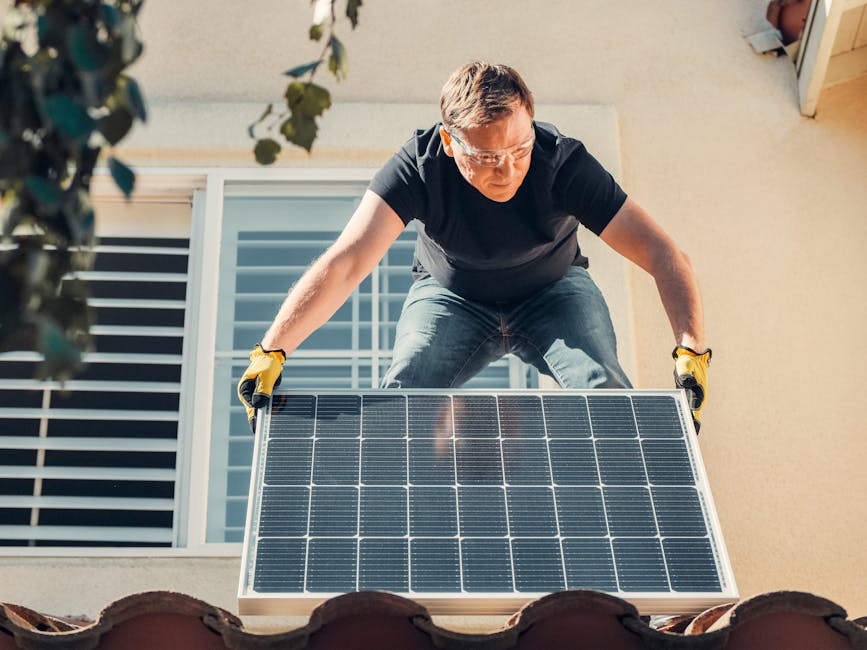
Solar panel warranties typically include two main types: product warranties covering defects and material failures (usually 10-12 years), and performance warranties guaranteeing minimum energy output (25-30 years). Most exclude weather damage, improper installation, and normal degradation, though coverage varies by manufacturer.
Types of Solar Panel Warranties
Understanding solar panel warranty coverage requires knowing the distinct categories manufacturers and installers offer. Each type protects different aspects of your investment, and many homeowners overlook critical gaps between them.
The two primary warranty structures are product warranties and performance warranties. Product warranties address manufacturing defects and material failures in the panels themselves. Performance warranties guarantee that your panels will produce a minimum percentage of their rated output over time. Additionally, many systems include solar equipment warranty coverage for inverters, mounting hardware, and electrical components—items that are equally critical to your system’s operation.
Some installations also include labor warranties from your installer, which cover the cost of replacement if equipment fails within the warranty period. This is separate from manufacturer warranties and depends entirely on your installation company’s policies.
How long does a solar panel warranty last?
Product warranties typically last 10-12 years, though some premium manufacturers extend to 15 years. Performance warranties are substantially longer—usually 25-30 years—because panels degrade very slowly. A quality panel might lose only 0.5% of its output annually, meaning after 25 years it’s still producing roughly 87% of its original capacity. The performance warranty guarantees this degradation doesn’t exceed manufacturer specifications.
Solar inverter warranty periods vary significantly. String inverters commonly carry 10-15 year warranties, while microinverters and power optimizers range from 15-25 years. Since inverters are the most failure-prone component in a solar system, this distinction matters greatly for your long-term costs.
What Product Warranties Actually Cover
Product warranty protection is narrower than most homeowners expect. Manufacturers cover manufacturing defects, material failures, and workmanship problems in the panels themselves. This includes issues like delamination (layers separating), frame corrosion, or defective solder connections discovered during normal use.
What is typically covered under a solar panel warranty?
Covered items include:
- Defective cells or crystalline silicon
- Broken glass or damaged frame components
- Electrical connection failures
- Bypass diode failures
- Junction box problems
- Sealing failures allowing moisture intrusion
However, what does solar warranty cover does NOT include cosmetic damage, wear and tear, or problems resulting from installation errors. If a technician dropped your panel during installation, that’s typically not covered by the manufacturer—it’s an installer responsibility issue.
To claim a product warranty, you’ll need documentation proving the panel is defective and within the warranty period. Most manufacturers require professional inspection and diagnosis. The process can take weeks or months, during which your system may not operate at full capacity.
What Performance Warranties Include
Performance warranties guarantee your system produces a minimum energy output level. Most manufacturers warrant that panels won’t degrade more than 0.8% annually in the first year, then 0.55% annually thereafter. After 25 years, panels should still produce at least 80% of their rated output.
If your system underperforms these guarantees due to panel defects, the manufacturer covers replacement costs. Performance warranty claims require demonstrating that underperformance resulted from panel degradation beyond manufacturer specifications—not from shading, inverter issues, or suboptimal installation angles.
This is where system monitoring becomes valuable. Homeowners with detailed performance data can quickly identify underperformance and document claims. Consider exploring our solar savings calculator to establish baseline performance expectations for your specific location and system size.
Common Exclusions and Limitations
All solar warranties contain exclusions. Understanding these gaps prevents costly surprises later.
Weather and environmental damage is virtually never covered. Hail, lightning strikes, hurricanes, and fallen tree branches cause damage that homeowners insurance typically handles—not solar manufacturers.
Installation errors void warranty coverage. If panels are installed incorrectly, the manufacturer won’t cover resulting failures. This underscores the importance of hiring qualified installers.
Normal degradation beyond stated rates isn’t typically covered if it’s within the 0.8% first-year specification. After that threshold, performance warranty claims become viable.
Modifications and repairs by non-authorized technicians often void coverage. Opening panels, rewiring, or replacing components yourself typically cancels warranty protection.
Additionally, most warranties exclude damage from:
- Acts of God or natural disasters
- Improper maintenance
- Unauthorized modifications
- Failure to follow installation instructions
- Accidents or user negligence
Manufacturer vs. Installer Warranties
Your solar system involves two distinct warranty providers: the equipment manufacturer and your installation company.
Manufacturer warranties cover the panels, inverters, and other equipment for defects. These are standardized across the industry and don’t vary significantly between companies.
Installer warranties cover labor, workmanship, and system performance from the installer’s perspective. Some installers warranty their work for 10+ years, while others offer only 2-5 years. This difference substantially impacts your long-term costs if problems arise.
A quality installer backs their work with extended warranties. When evaluating companies, ask specifically about their labor warranty period and what’s included. A company offering only the manufacturer’s bare minimum warranty suggests lower confidence in their installation quality.
How to Choose a Solar Company With Strong Warranties
Warranty quality reveals a lot about a solar company’s confidence in their work. Companies installing premium equipment typically offer longer labor warranties because they’re confident in their installation standards.
Request detailed warranty documentation before signing contracts. Ask:
- What exactly does each warranty cover?
- How long is the labor warranty?
- What’s the claim process and timeline?
- Are there any conditions that void coverage?
- Is the warranty transferable if you sell your home?
Compare warranty terms across multiple quotes. A company offering 10-year labor warranties paired with premium equipment demonstrates stronger commitment than companies offering only manufacturer defaults.
How to Use the Calculator
Understanding warranty coverage is one part of evaluating your solar investment. Our solar ROI calculator helps you determine whether your investment makes financial sense given local incentives, utility rates, and system costs. Input your location and annual electricity consumption to see realistic payback timelines and long-term savings—critical context when evaluating warranty lengths.
FAQ
What happens if my solar panels fail within warranty?
If defects occur within the product warranty period, the manufacturer typically covers replacement panel costs. Your installer or the manufacturer’s service network handles removal and reinstallation. However, you’re usually responsible for any damage to mounting hardware or electrical systems. Labor costs may or may not be covered depending on your installer’s warranty terms. The entire process typically takes 4-8 weeks.