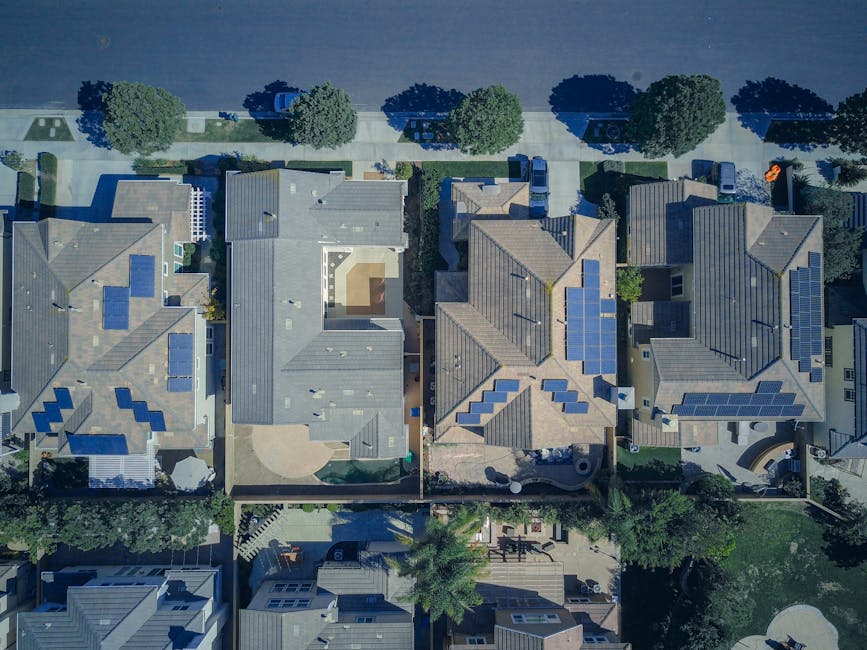
Solar systems typically underperform due to panel degradation (0.5-0.8% annually), inverter failure, shading changes, or outdated technology. Upgrades become cost-effective when repairs exceed 50% of replacement costs or efficiency drops below 75% of original output. Multi-generational planning involves assessing 25-30 year performance cycles.
Signs Your Solar System Is Underperforming
Identifying underperformance early saves thousands in wasted energy costs. Your solar system’s efficiency naturally declines over time, but certain indicators signal it’s time to evaluate upgrades rather than continued repairs.
The most obvious sign is a measurable drop in energy production. According to the U.S. Department of Energy’s solar resource library, typical annual degradation ranges from 0.5-0.8%, meaning a 20-year-old system should still produce roughly 85-90% of its original output. If your system produces significantly less—say, below 75% of baseline performance—upgrades warrant serious consideration.
Other warning signs include:
- Frequent inverter failures or repair calls
- Visible panel damage, cracks, or discoloration
- Accumulating bird droppings, mold, or mineral deposits that cleaning doesn’t resolve
- Noticeably higher electricity bills despite consistent usage
- Outdated monitoring systems that don’t provide real-time data
How do I know if my solar panels need to be replaced?
Compare your current energy output to historical baselines using your monitoring app or utility statements. Most systems include performance tracking that shows monthly and yearly trends. A consistent 15-25% decline over 2-3 years suggests age-related degradation. Have a professional conduct a thermal imaging assessment—this reveals hot spots indicating internal failures invisible to the naked eye. When replacement costs fall within 20-30% of your original system investment, and panels are 20+ years old, replacement typically makes financial sense.
What is the average cost to upgrade a solar panel system?
System upgrades vary dramatically based on capacity and equipment chosen. A modest 5kW system upgrade ranges from $8,000-$12,000 before incentives. Larger residential systems (8-10kW) typically cost $15,000-$25,000. Battery storage integration adds $10,000-$15,000. The 30% federal residential solar credit expired at the end of 2025, so 2026 cash or loan installations receive no federal credit (state programs may still apply). Use our solar cost calculator to estimate precise figures based on your system size and local installation rates.
Cost-Benefit Analysis of Solar Upgrades vs. Repair
The decision to upgrade versus repair hinges on a simple threshold: if repair costs exceed 50% of replacement costs, upgrading becomes the smarter financial choice. This principle applies whether you’re replacing individual components or an entire array.
Consider a failing inverter in a 10-year-old system. A replacement inverter costs $3,000-$5,000 installed. If your complete system replacement would cost $20,000, repair makes sense. However, if that same inverter fails on a 22-year-old system already experiencing 20% efficiency decline, you’re throwing money at a depreciating asset.
Evaluate three cost dimensions:
- Current repair costs: Parts, labor, and emergency service premiums
- Replacement costs: New panels, inverter, installation, permitting, and interconnection
- Energy production value: Electricity your upgraded system generates over its 25-30 year lifespan
Modern panels are 20-30% more efficient than systems installed 15+ years ago. An upgrade not only stops paying for repairs—it generates significantly more electricity per square foot. When combined with battery storage and smart inverters, newer systems provide resilience during grid outages and demand-response capabilities unavailable in legacy equipment.
Calculate your upgrade ROI by comparing current performance metrics against projected output from newer technology. Include state and local incentives—many programs offer additional rebates for system replacements that improve grid efficiency.
Planning Solar Upgrades Across Multiple Generations
True multi-generational solar planning means thinking beyond your own energy needs. If you’re passing property to children or grandchildren, strategic upgrades now create lasting value and reduce their future expenses.
A solar system’s 25-30 year lifespan often spans multiple ownership periods. If you installed panels in 2010, they’ll likely need replacement around 2035-2040. Current owners benefit from degradation warranties and peak performance, while future owners inherit aging equipment nearing end-of-life. Upgrading now means:
- Future owners inherit a 25-year-old system rather than a 50-year-old one
- Modern equipment qualifies for incentives available today, not tomorrow
- You maximize personal benefit during peak production years
- Property value increases immediately upon upgrade completion
If you’re building an estate plan involving real property with solar, consult about upgrading aging systems during your ownership. Future buyers or heirs will appreciate inheriting efficient, low-maintenance equipment rather than systems requiring immediate replacement investment.
Technology Improvements Worth Upgrading For
Solar technology advances justify upgrades beyond efficiency gains. Modern systems offer capabilities unimaginable a decade ago.
Smart inverters enable grid services, demand response, and load management. Battery integration provides energy independence and backup power during outages. Bifacial panels capture reflected light from ground surfaces, increasing output by 10-15%. Microinverters or power optimizers maximize production from partially shaded arrays.
If your current system lacks monitoring, an upgrade provides real-time performance visibility through smartphone apps and web dashboards. This transparency helps catch problems early and demonstrates savings to skeptical family members.
Newer equipment also qualifies for evolving incentive programs. State and federal rebates frequently launch for battery storage, electric vehicle charging integration, or grid services participation. Upgrading positions you to capture these future opportunities.
How to Use the Calculator
Our comprehensive upgrade analysis tool helps quantify your specific situation. Input your current system details, location, and electricity rates to see projected savings over 25 years. The calculator accounts for local incentive programs, equipment costs in your region, and solar panel degradation rates specific to your climate.
Access the solar system upgrade calculator to compare repair versus replacement scenarios side-by-side. Adjust variables like battery storage or panel quantity to see how different upgrade paths affect your payback period and total lifetime savings.
FAQ
How often do solar systems need upgrades?
Most residential systems function productively for 25-30 years without major upgrades. However, inverters typically need replacement at 10-15 years, and individual panel repairs may occur earlier if damage occurs. Plan for inverter replacement as a routine maintenance item around year 12-15. Complete system upgrades make sense when panels reach 20+ years old and efficiency has declined noticeably, or when repair costs approach 50% of replacement costs.